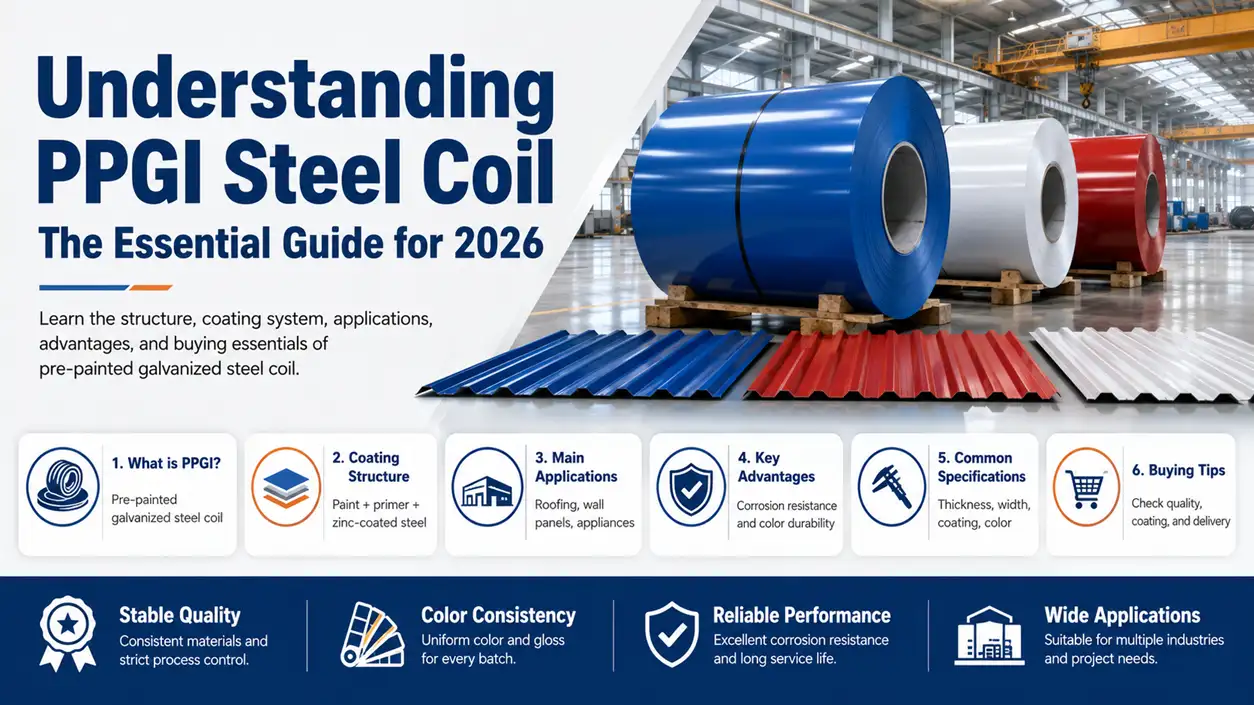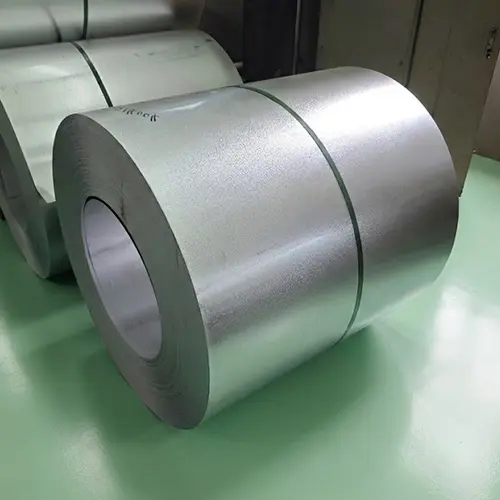
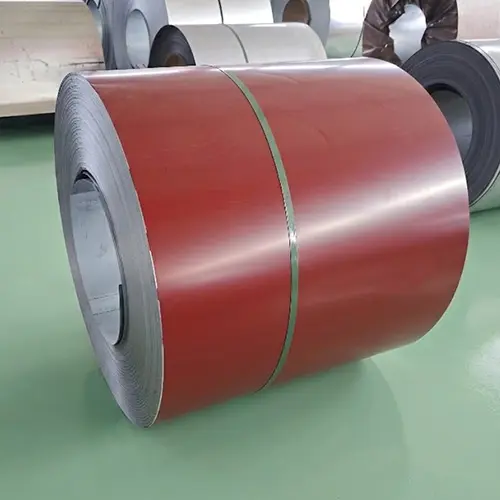

You encounter ppgi steel coil in many everyday products and structures. This material combines a galvanized steel substrate, a zinc coating, and a protective paint layer. These layers work together to provide strength, corrosion resistance, and a vibrant finish. PPGI stands out because you see it in several major industries:
- Building and Construction uses ppgi for roofing and wall panels.
- Automotive manufacturers rely on ppgi for lightweight and durable parts.
- Appliances feature ppgi in exterior panels for both durability and appearance.
- HVAC systems use ppgi for components that require resistance to environmental factors.
PPGI delivers both practical and aesthetic benefits, making it essential for modern manufacturing and infrastructure.
Key Takeaways
- PPGI stands for Pre-Painted Galvanized Iron, combining steel, zinc, and paint for strength and corrosion resistance.
- PPGI is widely used in construction, automotive, appliances, and HVAC systems due to its durability and aesthetic appeal.
- Always check for industry standards like ISO and ASTM to ensure the quality and safety of your PPGI steel coil.
- The composition of PPGI includes layers that enhance performance, such as a zinc coating for rust protection and a paint layer for color and UV resistance.
- Choosing the right coating thickness is crucial; thicker coatings provide better corrosion resistance, especially in harsh environments.
- PPGI requires minimal maintenance, saving time and money over its lifespan, making it a cost-effective choice.
- PPGI is recyclable, supporting sustainable practices and reducing environmental impact in construction and manufacturing.
- Stay informed about market trends and government policies, as they can affect the availability and pricing of PPGI steel coil.
PPGI Steel Coil Overview

What Is PPGI Steel Coil
You may wonder what makes ppgi steel coil so valuable in modern industries. PPGI stands for pre-painted galvanized iron. This material starts with a cold-rolled steel coil as its base. Manufacturers then apply a zinc coating to protect the steel from rust. Afterward, they add a layer of paint, which gives the coil its color and extra protection. This combination creates a product that resists corrosion, looks attractive, and lasts for years.
International standards help define the quality and performance of ppgi coil. You will find that organizations like ISO, ASTM, EN, and JIS set the rules for how these coils are made and tested. These standards ensure you get consistent quality, whether you use ppgi coil for construction, appliances, or vehicles.
Tip: Always check if your ppgi coil meets standards like ISO 9001, ASTM A755/A755M, EN 10169, or JIS G3312. This helps guarantee durability and safety.
PPGI Composition
You need to understand the layers that make up ppgi. Each layer serves a specific purpose and adds to the coil’s performance. The main components include:
| Key Component | Specification/Detail |
|---|---|
| Coating Thickness | Ranges from 0.2mm to 0.7mm |
| Base Steel Thickness | Ranges from 0.2mm to 1.2mm |
| Coating Material | Primarily polyester (PE) and silicon-modified polyester (SMP) |
| Surface Treatment | Includes cleaning, phosphating, and passivation |
| Mechanical Properties | Tensile strength typically between 350–450 MPa |
The zinc coating plays a major role in protecting the steel from rust. You can choose between standard, heavy-duty, or special zinc-aluminum coatings. The paint layer also matters. Polyester (PE) works well for general use. Silicone-modified polyester (SMP) offers better UV resistance. Polyvinylidene fluoride (PVDF) provides top performance in harsh environments, such as coastal areas or places with high pollution.
| Zinc Coating Type | Composition (g/m²) | Advantages | Limitations |
|---|---|---|---|
| Standard Zinc Coating | 60-100 | Cost-effective, good corrosion resistance | Less effective in highly corrosive conditions |
| Heavy-Duty Zinc Coating | 120-180 | Superior corrosion resistance, extended service | Higher material cost, heavier weight |
| Galfan Coating | 95% zinc, 5% aluminum | Exceptional rust resistance, improved adhesion | Premium pricing, limited availability |
| Zinc-Aluminum Coating | 1-2% aluminum | Better corrosion resistance, enhanced paint bond | Slightly more expensive, performance variability |
The choice of coating and paint affects how your ppgi coil performs in different environments. For example, you should use a heavier zinc coating in humid or coastal areas. If you need high UV resistance, select a PVDF topcoat.
Core Functions
You will find ppgi coil in many industries because it offers several important functions:
- Roofing and wall panels for factories, warehouses, and homes
- Prefabricated structures and modular housing
- Commercial facades and cladding
- Interior partitions and ceilings
- Housings for refrigerators, air conditioners, and washing machines
- Automotive interior panels and roofs
- Signage and advertising displays
- Decorative applications in doors, windows, and ceilings
- Medical industry composite boards for clean environments
PPGI stands out because it improves product longevity and reduces maintenance costs. The advanced coatings can last over 20 years, especially when you choose PVDF systems. This means you spend less time and money on repairs or repainting. The enhanced corrosion resistance keeps your projects looking new and performing well, even in tough conditions.
Note: Prepainted steel coils require minimal maintenance. This saves you time and money over the lifespan of your building or product.
You can rely on ppgi coil for strength, durability, and visual appeal. These qualities make it a smart choice for construction, manufacturing, and many other fields.
PPGI Coil Manufacturing
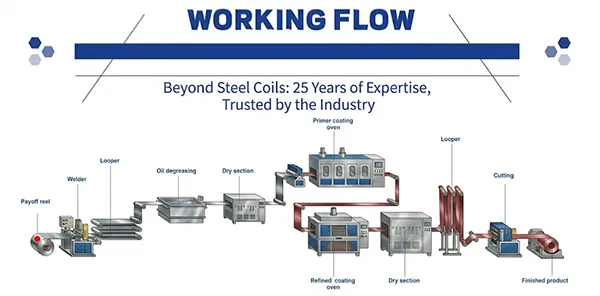
When you look at a ppgi coil, you see more than just painted steel. Each coil contains several layers, and each layer plays a key role in performance and durability. Let’s break down the structure and the steps that turn raw steel into a finished ppgi coil.
Structure Layers
Base Steel
You start with a cold-rolled steel coil. This base steel gives the ppgi coil its strength and shape. The thickness of the steel affects how rigid and durable the final product will be. Thicker steel means better resistance to wind, impact, and fastener pull-out.
Zinc Coating
Next, you add a zinc coating. This layer protects the steel from rust and oxidation. The zinc acts as a barrier, stopping moisture and air from reaching the steel. In harsh environments, a thicker zinc layer gives you even more corrosion resistance.
Primer
After galvanizing, you apply a primer. This layer helps the paint stick to the surface and boosts the coil’s durability. The primer also adds another shield against corrosion.
Top Paint
The top paint layer gives the ppgi coil its color and finish. You can choose from many colors and gloss levels. The paint also protects against UV rays, chalking, and fading, so your coil looks good for years.
Tip: A clear topcoat can add extra protection against sunlight and weather, keeping your ppgi coil looking new.
Here’s a quick summary of what each layer does:
- Galvanization Layer: Stops rust and oxidation.
- Primer Layer: Helps paint stick and adds durability.
- Base Color Layer: Provides color and visual appeal.
- Clear Topcoat: Guards against UV rays and fading.
The thickness of each layer matters. Check out this table to see how thickness impacts performance:
| Aspect | Impact |
|---|---|
| Structural Strength | Thicker sheets give you more rigidity and resist wind and impact loads. |
| Fastener Retention | More thickness means screws hold better and are less likely to loosen. |
| Corrosion Resistance | Thicker layers slow down rust, especially in tough environments. |
| Long-term Performance | Thicker coils keep their shape longer and handle extreme weather better. |
Manufacturing Steps
Uncoiling & Cleaning
You begin by uncoiling the steel and cleaning it. This step removes oil, dirt, and other contaminants. Clean steel helps the coatings stick and last longer.
Pre-Treatment
Next, you treat the steel with chemicals. This step improves how well the zinc and paint layers will bond to the steel. Good pre-treatment means better performance for your ppgi coil.
Galvanizing
Now, you dip the steel into molten zinc. This process coats the steel evenly and gives it strong corrosion resistance. After galvanizing, you may add a chemical treatment to help the next layers stick.
Painting
You apply a primer, cure it, then add the top paint layer. Each layer goes through a curing oven to make sure it bonds well and lasts. The paint gives your ppgi coil its final color and finish.
Quality Control
At every stage, you check the coil for defects. Quality control ensures that each ppgi coil meets industry standards for thickness, color, and durability.
Here’s a simple list of the main steps:
- Cold rolling to get the right thickness and smoothness.
- Cleaning and chemical pre-treatment.
- Hot-dip galvanizing for corrosion resistance.
- Primer and top paint application, with curing after each layer.
- Final inspection and quality checks.
Pre-Painting vs. Post-Painting
You might wonder how pre-painted ppgi coil compares to steel painted after installation. Here’s a table to help you see the differences:
| Aspect | PPGI (Pre-Painted) | Post-Painted (Field/Shop) |
|---|---|---|
| Coating Quality & Consistency | Excellent and uniform. Factory-applied with precision. | Variable and prone to defects. |
| Adhesion & Durability | Superior. Applied to clean surface and oven-cured. | Often compromised. Curing may be incomplete. |
| Environmental Impact | Contained and efficient. VOCs are treated. | Hazardous. More VOCs released on-site. |
| Project Speed | Fast and all-weather. Installation is dry. | Slow and weather-sensitive. |
| True Cost Structure | Higher material cost, but lower total installed cost. | Lower material cost, but higher total cost. |
Note: Pre-painting gives you better quality, faster installation, and a safer worksite. You also save money over the life of your project.
When you choose ppgi coil, you get a product that is strong, attractive, and built to last. The careful layering and factory-controlled process set ppgi apart from other options.
Pre-Painted Steel Coils Features
Corrosion Resistance
You want your materials to last, especially when they face harsh weather or chemicals. Pre-painted steel coils offer strong corrosion resistance because of their layered protection system. The paint forms a dense, non-porous film that blocks moisture, oxygen, and corrosive agents from reaching the metal. This barrier keeps rust away and helps your projects stay in good condition for years.
Manufacturers use several strategies to fight corrosion. The table below shows how each method works:
| Corrosion Mechanism | Mitigation Strategy |
|---|---|
| Barrier Protection | Forms a dense film that blocks moisture and corrosive agents. |
| Inhibitive Action | Releases ions that stop rust from forming. |
| Adhesion Promotion | Makes sure paint sticks well and resists corrosion at edges or scratches. |
| Dual-Layer Systems | Combines different inhibitors for extra protection against chemicals. |
When you choose pre-painted galvanized steel, you get a product that resists rust even in tough environments. This makes it a smart choice for buildings, appliances, and vehicles that need to stand up to the elements.
Durability & Lifespan
You need materials that can handle stress, impact, and changing weather. Pre-painted steel coils are designed to withstand mechanical stress and structural loads over time. They resist chipping, scratching, and deformation, which means they keep their shape and strength even after years of use.
Tests like the Ultraviolet Lamp Accelerated Aging test and the Neutral Salt Spray test show that pre-painted galvanized steel performs better than many other coated steel products. These tests measure how well the material stands up to sunlight, salt, and other harsh conditions. Advanced coatings, such as PVDF, give you excellent UV resistance and color retention. This means your projects look good and last longer, even in sunny or coastal areas.
You will find that pre-painted steel coils require little maintenance. You do not need to repaint or repair them often. This saves you time and money over the lifespan of your building or product.
Tip: Choose advanced coatings if you want the best performance in extreme environments.
Aesthetic Options
You want your projects to look good as well as perform well. Pre-painted galvanized steel gives you a wide range of colors and finishes to match your design needs. You can pick from glossy, matte, or textured finishes. Matte finishes are becoming more popular because they give buildings a modern look.
The variety of options makes pre-painted steel coils attractive for architectural projects. You can match your brand colors or create a unique appearance for your building. As the market grows, manufacturers offer more custom solutions. This lets you achieve the look you want without giving up quality or durability.
Pre-painted steel coils help you combine style with strength. You get both visual appeal and long-lasting performance in one product.
Environmental Benefits
You want to choose materials that help protect the environment. Pre-painted galvanized steel coils (PPGI) offer several environmental advantages that make them a smart choice for your projects. You can reduce waste, save energy, and support sustainable building practices when you use PPGI steel coil.
PPGI steel coil stands out because of its long lifespan. You do not need to replace it often. This durability means you use fewer resources over time. When you select PPGI, you help lower the demand for new raw materials. You also cut down on the energy needed for manufacturing and transportation.
You can recycle PPGI steel coil at the end of its service life. Steel is one of the most recycled materials in the world. Recycling helps keep waste out of landfills and reduces the need for mining new metals. The recycling process for steel uses less energy than producing new steel from ore. This means you help lower greenhouse gas emissions and conserve natural resources.
You may wonder how PPGI compares to other materials. Here are some key points:
- Metal coils like PPGI last longer than many alternatives. You do not need to replace them as often.
- You can recycle PPGI easily. This supports a circular economy and reduces waste.
- Established recycling systems for steel help save energy and cut pollution.
You can also look at environmental impact scores to compare materials. Lower scores show a smaller impact on the environment. PPGI steel coil often scores better than traditional galvanized steel and some other building materials. This makes it a more sustainable option for your projects.
Tip: Choosing materials with a lower environmental impact score helps you meet green building goals and environmental regulations.
Manufacturers of PPGI steel coil often follow strict environmental and quality standards. You should check for certifications when you buy PPGI. These certifications show that the product meets important requirements for safety, quality, and environmental responsibility.
| Certification/Standard | Description |
|---|---|
| ISO 9001 | Quality management standard |
| ASTM A755/A755M | Specifications for PPGI |
| EN 10169 | European standard for organic coated steels |
| JIS G3312 | Japanese standard for PPGI |
| ASTM A653/A653M | Standard for hot-dipped galvanized steel sheet |
| Mill Test Certificate | Verifies chemical composition and properties |
| Coating Weight Certificate | Shows zinc distribution |
| Paint Qualification Report | Confirms UV resistance |
| Batch Consistency Report | Ensures color uniformity |
You should always ask your supplier for these certificates. They help you make sure your PPGI steel coil is safe for the environment and meets your project’s needs.
When you choose PPGI steel coil, you support a cleaner, greener future. You get a material that lasts, recycles well, and meets high environmental standards. This makes PPGI a responsible choice for you and your community.
PPGI vs Similar Materials
When you choose materials for your project, you need to understand how ppgi coil compares to other options. Let’s look at the differences between ppgi, ppgl, galvanized steel, and stainless steel. This helps you pick the right material for your needs.
PPGI vs PPGL
Coating Differences
You may notice that ppgi and ppgl look similar, but their coatings set them apart. Ppgi uses a pure zinc coating, while ppgl features a zinc-aluminum alloy. This difference changes how each material performs in different environments.
| Feature | PPGI | PPGL |
|---|---|---|
| Coating Composition | Pure zinc coating | Zinc-aluminum alloy |
| Corrosion Resistance | Sacrificial layer, faster corrosion in salty environments | Protective oxide layer, 3–6 times higher resistance |
| Heat and UV Resistance | Lower heat reflectivity | Better heat reflectivity and UV resistance |
| Service Life | 10–15 years | 20–25 years or more |
Ppgl’s aluminum content forms a protective oxide layer. This layer gives ppgl much higher corrosion resistance, especially in coastal or industrial areas.
Performance
You want your color-coated steel coil to last. Ppgi coil works well for most indoor and mild outdoor uses. Ppgl stands out in harsh climates, offering a longer service life and better UV protection. If you need a roof or wall panel in a salty or sunny area, ppgl is the better choice.
When you compare costs, ppgi usually has a lower price. As of January 2026, ppgi coil prices range from $750 to $950 per ton. Ppgl costs more because of its advanced coating and longer lifespan. You pay more up front for ppgl, but you get extra durability.
PPGI vs Galvanized Steel
Protection
Ppgi coil and galvanized steel both use zinc for corrosion protection. Ppgi adds a paint layer, which gives extra defense against rust and weather. In salt spray tests, ppgi lasts 600 to 800 hours before showing wear. Galvanized steel, with its thicker zinc layer, often performs even better in tough conditions.
| Material Type | Corrosion Protection | Performance in Salt Spray Testing |
|---|---|---|
| PPGI | Basic corrosion protection with a 100% zinc coating | 600 to 800 hours before wear |
| Galvanized Steel | Barrier and sacrificial protection through hot-dip galvanizing | Generally superior to PPGI |
Applications
You will find ppgi coil in roofing, wall cladding, appliances, and automotive parts. Galvanized steel fits basic industrial uses where looks matter less. Ppgi offers more color and finish choices, making it ideal for projects that need both protection and style.
PPGI vs Stainless Steel
Cost
Ppgi coil gives you a cost-effective solution for many projects. Stainless steel costs much more because of its alloy content and high durability. You save money with ppgi, especially for large-scale or decorative work.
Ppgi offers moderate durability and good looks for indoor or mild outdoor use. Stainless steel, while expensive, gives you top performance in harsh settings and needs less maintenance over time.
Use Cases
You should use ppgi coil for roofing sheets, HVAC ducts, fencing, and agricultural sheds. Stainless steel works best for kitchen appliances, medical equipment, and architectural panels in demanding environments.
| Material | Common Use Cases |
|---|---|
| PPGI Steel Coil | Roofing sheets and cladding, HVAC ducts and cable trays, fencing and agricultural sheds |
| Stainless Steel | Kitchen appliances and utensils, medical and food processing equipment, architectural panels and decorative works |
Tip: Choose ppgi coil when you want a balance of cost, appearance, and durability. Pick stainless steel for extreme durability and low maintenance in tough environments.
PPGI Applications
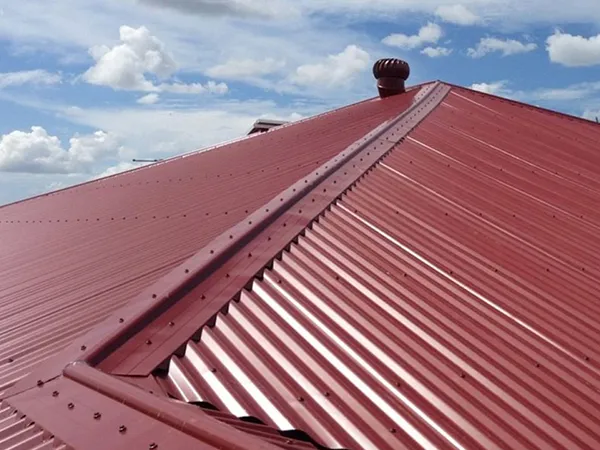
Construction
You see PPGI steel coil everywhere in the construction industry. Builders use it for roofing, wall cladding, and ceiling panels. The material gives you a strong, lightweight option that stands up to harsh weather. You can choose from many colors and finishes to match your project’s style. PPGI coil resists rust, so you do not need to worry about frequent repairs or repainting.
You find PPGI in both residential and commercial buildings. Contractors use it for warehouses, factories, schools, and shopping centers. Prefabricated buildings and modular homes also rely on PPGI for quick assembly and long-lasting performance. The material’s flexibility lets you create curved roofs, modern facades, and decorative trims.
In 2026, you notice a shift toward sustainable building materials. Companies now focus on eco-friendly production methods and enhanced coatings. Builders want materials that last longer and reduce environmental impact. You benefit from these innovations because they give you better performance and help you meet green building standards.
Tip: When you choose PPGI with advanced coatings, you get extra protection against UV rays and pollution. This helps your building look new for years.
Transportation
You find PPGI steel coil in many transportation products. Manufacturers use it for vehicle body panels, truck trailers, and railway coaches. The material’s light weight helps improve fuel efficiency. Its corrosion resistance keeps vehicles looking good and performing well, even in tough conditions.
PPGI also appears in shipping containers and cargo vans. The smooth, painted surface makes cleaning easy and helps prevent rust. You see PPGI in bus shelters, traffic signs, and highway barriers. These products need to withstand sun, rain, and road salt. PPGI’s durable finish meets these demands.
The transportation sector now values smart features and digital transformation. Companies use intelligent coatings that signal wear or damage. You benefit from these advancements because they improve safety and reduce maintenance costs.
Appliances
You use PPGI steel coil in many home and commercial appliances. Refrigerator doors, washing machine panels, and air conditioner housings all feature PPGI. The material gives you a sleek look and resists scratches and stains. Appliance makers choose PPGI because it is easy to shape and paint in many colors.
PPGI’s protective layers keep appliances looking new, even after years of use. You do not need to worry about rust or fading. Manufacturers now focus on eco-friendly production and product differentiation. They use advanced coatings and smart features to stand out in the market.
Here are some common appliances that use PPGI steel coil:
- Refrigerators and freezers
- Washing machines and dryers
- Microwave ovens
- Air conditioners and heaters
- Water heaters
You see that PPGI helps appliances last longer and look better. As technology advances, you can expect even more innovative uses for PPGI in the appliance industry.
Agriculture
You see PPGI steel coil play a big role in modern agriculture. Farmers and agribusinesses choose this material because it stands up to tough weather, chemicals, and daily wear. You want your farm buildings and equipment to last, so you look for materials that resist rust and damage. PPGI steel coil gives you these advantages.
You use PPGI in many agricultural structures. Barns, storage sheds, and livestock shelters often feature PPGI roofing and wall panels. These panels keep out rain, wind, and pests. You also find PPGI in greenhouses. The reflective surface helps control temperature and light, which supports healthy plant growth.
You rely on PPGI for grain silos and feed bins. The smooth, painted surface makes cleaning easy. You do not worry about mold or contamination. PPGI resists corrosion from fertilizers and animal waste. This means your investment lasts longer and requires less maintenance.
Here are some common agricultural uses for PPGI steel coil:
- Barn and shed roofing
- Wall cladding for livestock shelters
- Greenhouse frames and panels
- Grain silos and feed storage bins
- Poultry houses and dairy barns
- Fencing and gates
- Equipment covers and tool sheds
Tip: Choose PPGI with a heavy-duty zinc coating if your farm faces high humidity or chemical exposure. This gives you extra protection and a longer service life.
You want to know how PPGI compares to other materials in agriculture. The table below shows why many farmers prefer PPGI:
| Feature | PPGI Steel Coil | Traditional Galvanized Steel | Wood |
|---|---|---|---|
| Corrosion Resistance | Excellent | Good | Poor |
| Maintenance Needs | Low | Moderate | High |
| Lifespan | 20+ years | 10–15 years | 5–10 years |
| Pest Resistance | Yes | Yes | No |
| Fire Resistance | High | High | Low |
| Appearance Options | Many colors/finishes | Limited | Paint/stain needed |
You see that PPGI offers more benefits than wood or basic galvanized steel. You get a material that lasts, looks good, and protects your investment.
You also help the environment when you use PPGI. The long lifespan and recyclability of steel reduce waste on your farm. You can recycle old panels and equipment, which supports sustainable agriculture.
You make a smart choice when you select PPGI steel coil for your agricultural needs. You get durability, safety, and value for your farm.
PPGI Quality & Cost Factors
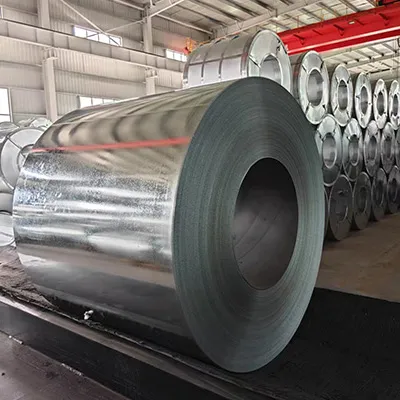
Raw Material Quality
You need to pay close attention to the quality of raw materials when you select PPGI steel coil. The substrate, chemical conversion film, primer, and topcoat all play a role in how your coil performs. High-quality materials give you better durability and longer service life. If you choose low-quality materials, you risk problems like uneven coating, surface defects, and peeling. These issues can lead to faster corrosion and a shorter lifespan.
- Uneven coating reduces corrosion resistance and makes the coil look less attractive.
- Surface defects such as bubbles or scratches speed up rust and damage.
- Peeling coating exposes the steel underneath, which can cause rapid deterioration.
- Insufficient strength or brittleness means your coil may not handle stress or impact well.
- Poor workability makes molding and cutting more difficult.
Tip: Always check for a smooth surface and strong adhesion. These signs show that the coil will last longer and perform better.
Coating Thickness
You must consider coating thickness when you evaluate PPGI steel coil. The thickness of the zinc layer and paint directly affects corrosion resistance and durability. Thicker coatings protect the steel for a longer time. Manufacturers measure coating thickness in grams per square meter (g/m²) and micrometers (μm).
| Coating Type | Thickness (g/m²) | Thickness (μm) | Purpose |
|---|---|---|---|
| Zinc (one side) | 60 | 60 | Decorative and protective polymer layers |
| Zinc (other side) | 90 | 25 | Primer or undercoat |
| Zinc coating weight | Greater weight | Longer protection | Corrosion protection through cathodic action |
If you need your coil to last in harsh environments, choose a product with a heavier zinc coating. Thicker coatings help prevent rust and extend the life of your project.
Note: Ask your supplier for coating thickness certificates. These documents confirm that the coil meets your requirements.
Manufacturing Standards
You should look for PPGI steel coil that meets recognized manufacturing standards. Standards set by organizations like ISO, ASTM, EN, and JIS ensure that your coil has consistent quality and performance. These standards cover everything from material composition to coating thickness and color uniformity.
Manufacturers who follow strict standards produce coils that resist corrosion, maintain color, and perform well under stress. You can trust coils with certifications because they have passed tests for durability and safety.
- ISO 9001 covers quality management.
- ASTM A755/A755M specifies requirements for PPGI.
- EN 10169 sets European standards for organic coated steels.
- JIS G3312 defines Japanese standards for PPGI.
Tip: Request mill test certificates and batch consistency reports. These documents help you verify that your coil meets industry standards and will perform as expected.
Market Trends
You need to understand the market trends that shape the price and demand for PPGI steel coil in 2026. The global steel industry changes quickly. You see new drivers every year. These drivers affect how much you pay for PPGI and how easy it is to find the right product for your project.
Many factors push the PPGI market forward. You can see the main drivers in the table below:
| Key Driver | Insight |
|---|---|
| Infrastructure Development | Cities in new markets need more steel for roads and buildings. |
| Automotive Industry Evolution | Electric cars and safety rules mean more advanced steel is needed. |
| Manufacturing and Industrial Growth | More factories and moving jobs back home use more steel. |
| Renewable Energy Transition | Wind and solar projects need a lot of steel. |
| Government Policies | Country plans and clean energy rules make steel demand higher. |
You notice that infrastructure development leads the way. New cities and expanding urban areas need more steel for bridges, roads, and buildings. This growth increases the demand for PPGI steel coil. You also see the automotive industry changing fast. Electric vehicles and new safety standards require stronger and lighter steel. PPGI fits these needs because it offers both strength and corrosion resistance.
Manufacturing and industrial growth also play a big role. Many countries bring factories back home. This trend, called reshoring, means more local demand for steel products. You see more factories and warehouses using PPGI for roofs, walls, and equipment covers.
Renewable energy projects use a lot of steel. Wind turbines and solar panel frames need strong, weather-resistant materials. PPGI steel coil works well in these applications. As more countries invest in clean energy, you see higher demand for PPGI.
Government policies shape the market, too. Some countries set new rules for green building and clean energy. These rules often require materials with long life and low environmental impact. PPGI meets these standards, so you see more projects choosing it.
Tip: Watch for changes in government policy and energy trends. These changes can affect PPGI prices and supply.
You should also pay attention to global steel prices and supply chain issues. When raw material costs rise, PPGI prices go up. Disruptions in shipping or trade can make it harder to get the coils you need. You can plan ahead by working with reliable suppliers and staying informed about market news.
You see that market trends in 2026 favor PPGI steel coil. The demand grows in many sectors, from construction to renewable energy. You benefit by choosing a material that meets new standards and supports modern projects.
You have learned the essentials of ppgi steel coil, from its structure and manufacturing to its features and uses. You should always match your ppgi steel coil choice to your project’s needs. Review technical specs and consult trusted suppliers before you buy. If you want the best results, keep researching ppgi steel coil trends and standards. This helps you make smart decisions for your business or project.
FAQ
What does PPGI stand for?
PPGI stands for Pre-Painted Galvanized Iron. You get steel that has a zinc coating and a painted finish. This process gives you extra protection and color options.
How long does PPGI steel coil last?
You can expect PPGI steel coil to last 15–25 years. The lifespan depends on the coating thickness, paint type, and environment. Regular inspection helps you maximize durability.
Can you use PPGI steel coil outdoors?
Yes, you can use PPGI steel coil outdoors. It resists rust, UV rays, and weather. You should choose the right coating for your climate to get the best results.
What colors are available for PPGI steel coil?
You can choose from a wide range of colors and finishes. Manufacturers offer glossy, matte, and textured options. Custom colors are also possible for special projects.
Is PPGI steel coil recyclable?
Yes, you can recycle PPGI steel coil. Steel is one of the most recycled materials worldwide. Recycling helps you reduce waste and support sustainable building practices.
How do you check PPGI coil quality?
You should ask for certificates like ISO 9001, ASTM A755, or EN 10169. You can also inspect the surface for smoothness and check coating thickness with a gauge.
What industries use PPGI steel coil?
You find PPGI steel coil in construction, appliances, transportation, and agriculture. It works well for roofing, wall panels, vehicle parts, and equipment covers.
Does PPGI require special maintenance?
You do not need much maintenance. You should clean the surface with water and mild soap. Avoid harsh chemicals or abrasive tools to keep the finish looking new.