


Key Highlights
- The c purlins usually performs best when its steel grade matches load, span, and section size.
- High-strength grades are often preferred where purlin spacing is wider or loads are heavier.
- Mild steel can work for lighter duties and protected internal use.
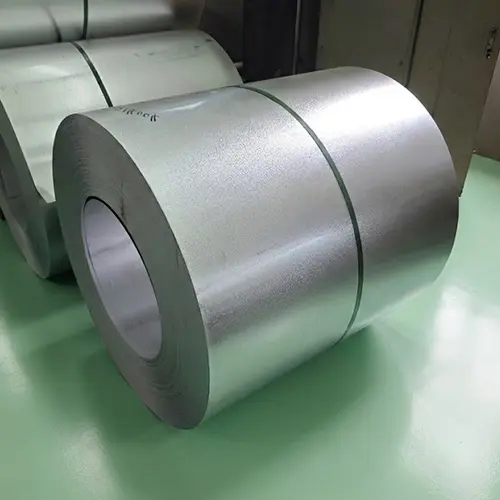
- Galvanized c purlins are popular because zinc improves corrosion resistance and service life.
- Steel grade directly affects strength, stiffness, and long-term performance in roofing systems.
- The best choice always depends on environment, cost, and project design.
What Steel Grade Is Best for C Purlins?
When you choose a c purlin, the steel material matters just as much as the shape. These members sit quietly inside a building, yet they act as the backbone of roofing and wall support systems. So, what steel grade is best? The short answer is that there is no single answer for every job. Your best option depends on span, loading, exposure, and finish. Once you understand those basics, selecting the right grade becomes much easier.
Understanding C Purlins in Construction
Steel c purlins, including z purlins, are cold-formed secondary members used between primary frames to support roof sheets and wall cladding. Their c section shape gives good bending resistance while keeping weight low. That is why they appear in sheds, warehouses, solar structures, and many commercial buildings.
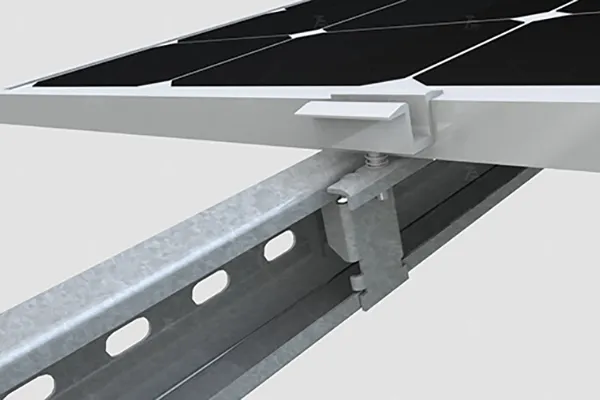
In practice, their performance depends on purlin spacing, span, thickness, and steel grade. Standard lengths are often 3 m, 4.5 m, and 6 m, though custom options are also common. To see why grade selection matters, start with the basics below.
Definition and Basic Functions of C Purlins
A C purlin is a horizontal structural member made from cold-formed steel. Its c section includes a web and two flanges on the same side, creating the characteristic c profile seen in many modern steel-framed buildings. You may also hear it called a cee purlin.
Its main job is simple. It spans between primary structural members and supports roof sheeting, wall panels, and other secondary loads. In the building’s structural hierarchy, it helps transfer those loads back to rafters, beams, and columns. That is why many people call it the backbone of roofing.
The right section size and base material are chosen through structural calculations. In building construction, high-strength grades such as S350 or S450 are often recommended where more capacity is needed, while milder grades may suit lighter internal uses. The correct choice depends on the project.
Common Applications of C Purlins in Singapore
Across Singapore-style construction needs, C purlins fit a wide mix of projects because they are light, accurate, and quick to install. They are especially useful where clean framing, repeatable sizes, and fast site work matter. Suppliers often provide custom sizes to match exact structural drawings.
You will commonly see them used in:
- industrial buildings and commercial warehouse roofing systems
- wall girts for cladding support on sheds and factories
- bus shelters, agricultural structures, and community facilities
For roofing applications, the most common choices are galvanized steel and high-strength grades where added durability or higher load capacity is needed. Mild steel still has a place in dry, protected areas, but exposure conditions usually guide the final decision.
Key Factors When Selecting Steel Grade for C Purlins
Choosing the right material grade starts with the job the purlin must do. A formed section made from one steel coil can behave very differently from another if the grade changes. Higher grade steel can carry more load in the same profile.
At the same time, strength is not the only concern. Load conditions, span, finish, and environment all affect performance. If you want a smart, balanced specification, look at structural demand first, then durability. The next two sections break that down.
Load Requirements and Span Lengths
Steel grade has a direct effect on how much load a C purlin can carry. When the yield strength is higher, the same profile can resist greater forces before it bends too much or reaches its limit. That makes grade selection a key part of meeting load requirements.
This becomes more important on longer spans or where purlin spacing is wider. In those cases, engineers may use a higher grade to avoid increasing section depth too much. That can help control weight while still giving a strong combination of structural performance and practical installation.
Good results also depend on consistent material specifications. Even a well-sized purlin can underperform if the supplied grade varies from what the design assumed. So, the steel grade is not just a label. It shapes strength, stiffness, efficiency, and confidence on site.
Environmental Exposure and Corrosion Considerations
A strong purlin still needs to survive its surroundings. If moisture, salt, or industrial fumes are present, corrosion resistance becomes just as important as load capacity. In these cases, the finish and steel type can greatly affect service life.
Galvanized products are widely chosen because the zinc coating protects the steel surface over time. That matters in coastal environments and outdoor structures where plain steel would need much more care. In harsher sites, stainless steel may be selected for added durability.
Exposure matters most in places such as:
- coastal environments with salt-laden air
- corrosive environments around industrial activity
- chemical processing plants where standard finishes may not be enough
Yes, the choice of steel grade and finish can impact lifespan in a major way.
Overview of Steel Grades Used for C Purlins
Several steel grade options and c purlin sizes are used for C purlins, and each serves a different purpose. The most common are mild steel, high tensile steel, galvanized steel based on those grades, and stainless steel for highly demanding environments.

The main difference comes down to strength, durability, and cost. Mild steel is simpler and often cheaper. High tensile steel offers more capacity in the same profile. Stainless steel gives top corrosion performance. These materials are not always interchangeable, and the next sections explain why.
Mild Steel (MS) and Its Properties
Mild steel is a common option for C purlins where loading is moderate and exposure is limited. It is formed from steel strip through cold-forming, giving a practical section for roofing, cladding support, and other light structural roles. In many cases, it is supplied with a protective coating or primer.
One reason buyers consider mild steel is cost. Unit costs are usually lower than higher-strength alternatives, which can make it attractive for budget-sensitive work. It is also widely available in standard lengths, helping with straightforward ordering and fabrication.
The tradeoff is performance. Compared with high tensile steel, mild steel generally offers lower strength, so it may need a heavier section or closer spacing for the same load. That affects material use, weight, and sometimes installation efficiency.
High Tensile Steel: Strength and Advantages
High tensile steel is widely used when a project needs better strength without making the section much larger. Through cold roll forming, the finished purlin gains good efficiency, and the higher yield strength helps it perform well under demanding load conditions.
That brings several practical benefits:
- lighter sections can often handle the same duty as heavier mild steel members
- fast installation becomes easier because lower weight improves handling
- wider spacing or longer spans may be possible without increasing profile size too much
Still, high tensile steel and mild steel are not automatically interchangeable in building projects. A design based on one grade cannot simply switch to another without checking loads, deflection, connections, and section capacity. The better choice depends on the actual structural requirement, not habit.
Industry Standards and Codes for C Purlin Steel Grades
Steel grade selection should never rely on guesswork. A proper code of practice, product specification, and supplier documentation help confirm that the purlin matches design needs. That matters whether you are buying standard lengths or custom pieces.
Working with a certified manufacturer also helps because material consistency is essential in structural work. In many markets, ASTM and EN standards guide grade, testing, and tolerances. The next sections explain how those frameworks support safe selection.
ASTM and EN Standards Relevant in Singapore
ASTM and EN standards are useful reference points when selecting steel for C purlins. They help define material properties, quality expectations, and manufacturing consistency. For buyers and engineers, that makes comparison easier across a comprehensive range of products.
The main advantage of ASTM-standard steel grades is reliability. If the material meets a recognized standard, you have a clearer idea of its expected strength and behavior. That supports safer design decisions and helps maintain consistent material specifications from batch to batch.
In practice, standards help by offering:
- recognized benchmarks for steel quality and performance
- better confidence when comparing suppliers
- a more dependable basis for structural calculations and procurement
These standards do not replace engineering design, but they do reduce uncertainty during selection.
Local Building Codes and Manufacturer Guidelines
Alongside international standards, local building codes also matter. They shape how structural members are selected, installed, and checked for safety. Even if a steel grade looks suitable on paper, it still has to fit the local rules for loading, durability, and structural practice.
Manufacturer guidance adds another layer of support. A certified manufacturer can provide product data for section size, thickness, finish, and available custom lengths. That helps align the selected purlin with project requirements instead of making assumptions from generic catalog values.
So yes, there are industry standards and code-based approaches for selecting C purlin steel grade from a reliable C purlin supplier. The best path is to use the design requirements, follow local building codes, and confirm product details with the manufacturer before ordering.
Comparing Galvanized Steel and Non-Galvanized Grades
Many buyers compare galvanized c purlins with non-galvanized options because both can work, but not in the same conditions. The difference usually comes down to corrosion protection, maintenance needs, and expected service life.
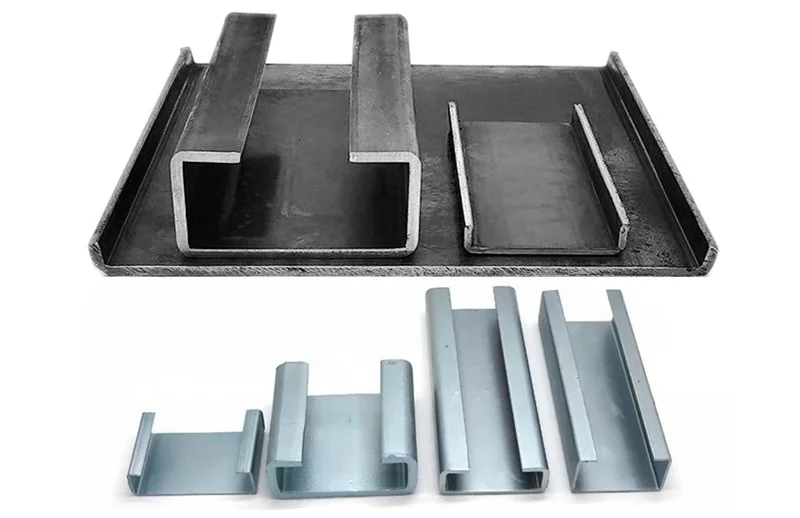
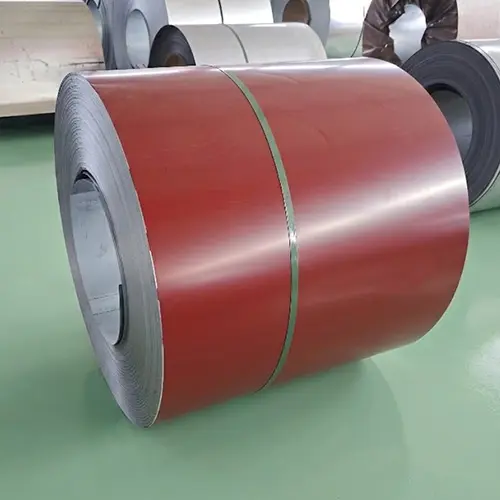
Galvanized members have a zinc layer that protects the steel surface. Non-galvanized products may use red oxide primer when later painting is planned or when the environment is less severe. To choose well, look at where the formed purlin will be used and how long it needs to last.
Benefits of Using Galvanized Steel for C Purlins
Galvanized c purlins are often the first choice for roofing and cladding support because they combine structural usefulness with built-in surface protection. The zinc coating shields the steel from moisture and slows rust formation, which helps preserve strength over time.
That protection is especially valuable in outdoor projects, humid locations, and sites with aggressive exposure. In coastal environments or other corrosive environments, a galvanized finish can make a major difference in durability and reduce the need for early repairs.
Key reasons people choose galvanized steel include:
- improved corrosion resistance in exposed conditions
- longer service life with lower maintenance demands
- better suitability for coastal environments and industrial settings
If your project faces weather or polluted air, galvanized steel is usually chosen because it gives practical, long-term protection.
When to Choose Non-Galvanized Options
Non-galvanized grades can still be a sensible choice in the right setting. They are commonly used where the purlins stay indoors, remain dry, or will receive additional site-applied coatings. In these cases, full galvanizing may not be necessary.
A red oxide primer is often used as a base coat when painting is planned later. This approach can help control unit costs, which matters on budget-driven projects. It may also suit jobs where the structural design, such as close purlin spacing and lighter loads, does not call for premium material choices.
Still, lifespan is affected by that decision. If non-galvanized steel is used in damp or exposed conditions, deterioration will happen faster than with protected finishes. So, these options work best where the environment is controlled and maintenance access is easy.
Cost, Availability, and Lifespan of Popular Steel Grades
Price is always part of steel selection, but the lowest unit costs do not always give the best value. A cheaper steel grade may need more maintenance, a larger section, or earlier replacement. That changes the true cost over time.
Availability also matters. Common steel material options and standard sections are easier to source than specialized grades or custom lengths. At the same time, service life can vary sharply between mild, galvanized, high-strength, and stainless options. A quick comparison helps make that clearer.
Comparative Cost Analysis in the Singapore Market
When buyers compare steel c purlins, they usually balance upfront cost against structural efficiency and durability. Mild steel often has lower unit costs, while high-strength and galvanized options may cost more at purchase but reduce section weight or future maintenance.
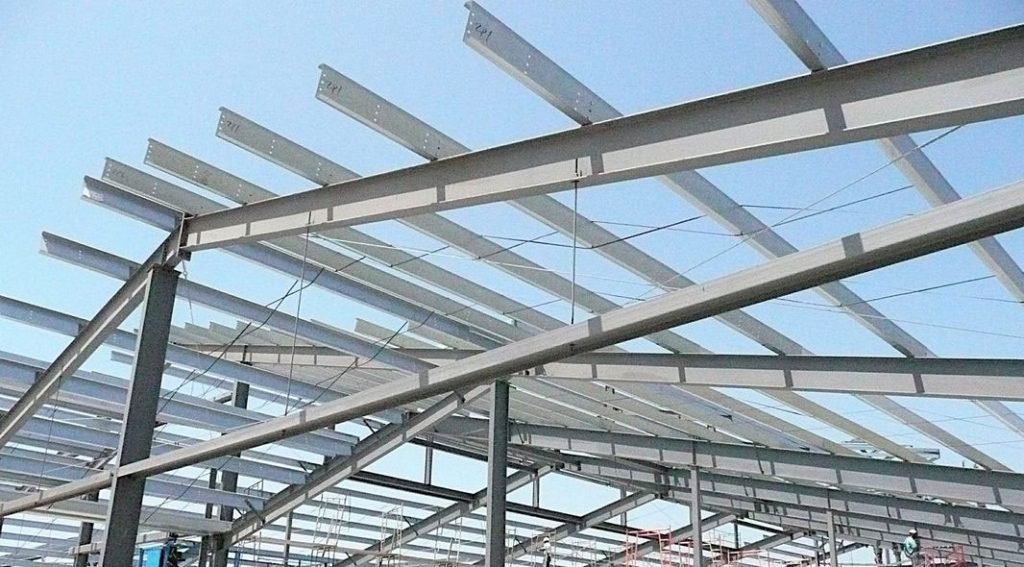
Availability tends to be strongest for common profiles and finishes used in industrial sheds, warehouses, and commercial facilities. Stainless steel is more specialized, so it is generally chosen only when exposure demands it. This simple comparative cost analysis shows the typical pattern.
| Steel Option | Relative Unit Costs | Availability | Common Use |
|---|---|---|---|
| Mild steel | Lower | Widely available | Internal or protected work |
| High tensile steel | Moderate | Common in structural supply | Longer spans, efficiency-focused projects |
| Galvanized steel | Moderate to higher | Widely available | Roofing, outdoor and humid exposure |
| Stainless steel | Highest | More limited | Severe corrosive exposure |
The right value comes from matching the grade to the job, not from choosing by price alone.
Lifespan and Maintenance Implications by Steel Grade
Steel grade has a clear effect on how long a C purlin lasts. Strength affects structural performance, but durability affects how well that performance holds up over the years. If the finish and grade do not suit the environment, service life can drop quickly.
Galvanized and stainless options usually offer better corrosion resistance than plain mild steel, especially outdoors. That means less maintenance and lower risk of early damage. A protected internal application may not need the same level of defense, which is why context matters.
In general, the maintenance pattern looks like this:
- mild steel often needs closer monitoring and protective painting
- galvanized steel usually needs less upkeep in normal exterior use
- stainless steel gives the best durability in very aggressive conditions
So yes, steel grade directly impacts lifespan, inspection needs, and long-term ownership cost.
Conclusion
In summary, selecting the appropriate steel grade for C purlins is crucial for ensuring structural integrity and longevity in construction projects. Factors such as load requirements, environmental exposure, and industry standards play pivotal roles in making the right choice. By understanding the properties of mild and high tensile steel, as well as the benefits of galvanized versus non-galvanized options, you can make informed decisions that align with your project needs. If you’re ready to take the next step in your construction project, don’t hesitate to get quotes from suppliers to find the best steel grades for your C purlins. Your project’s success starts with the right materials!
Frequently Asked Questions
Which steel grade is best for C purlins in roofing applications?
For most roofing applications, a high-strength c purlin with galvanizing is a strong choice. That steel grade offers good load capacity, while galvanized c purlins add surface protection. In dry internal settings, milder grades may still work, but exposed roofs usually benefit from galvanized steel.
How does steel grade impact the longevity and structural performance of C purlins?
Steel grade affects both structural performance and service life. Higher-strength material can support greater loads or longer spans, while better corrosion resistance helps the purlin last longer in exposed conditions. A poor grade choice can increase maintenance needs and shorten the member’s useful life.
Are high tensile steel and mild steel interchangeable for C purlins in building projects?
No, high tensile steel and mild steel are not automatically interchangeable in building projects. Each has different strength and material use implications. Switching from one to the other can affect span, section choice, and deflection, so the design should always be checked before substitution.