

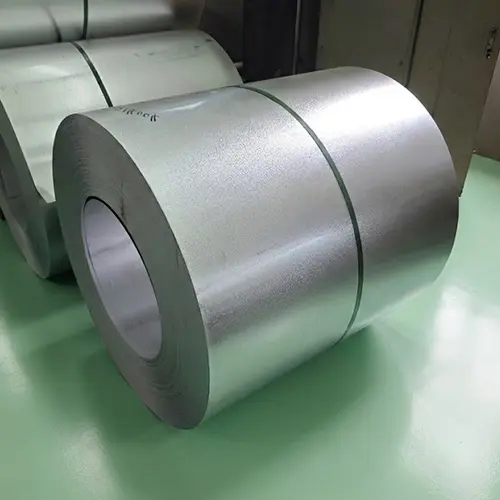
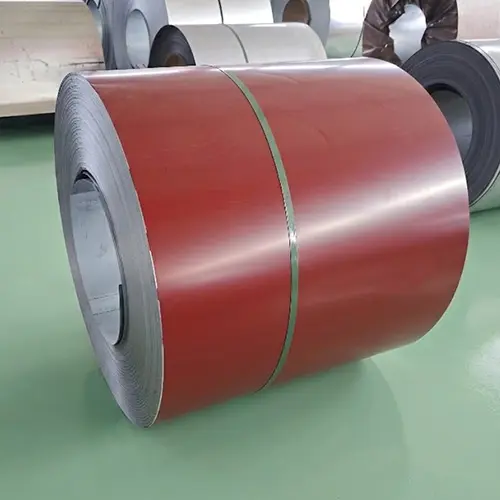

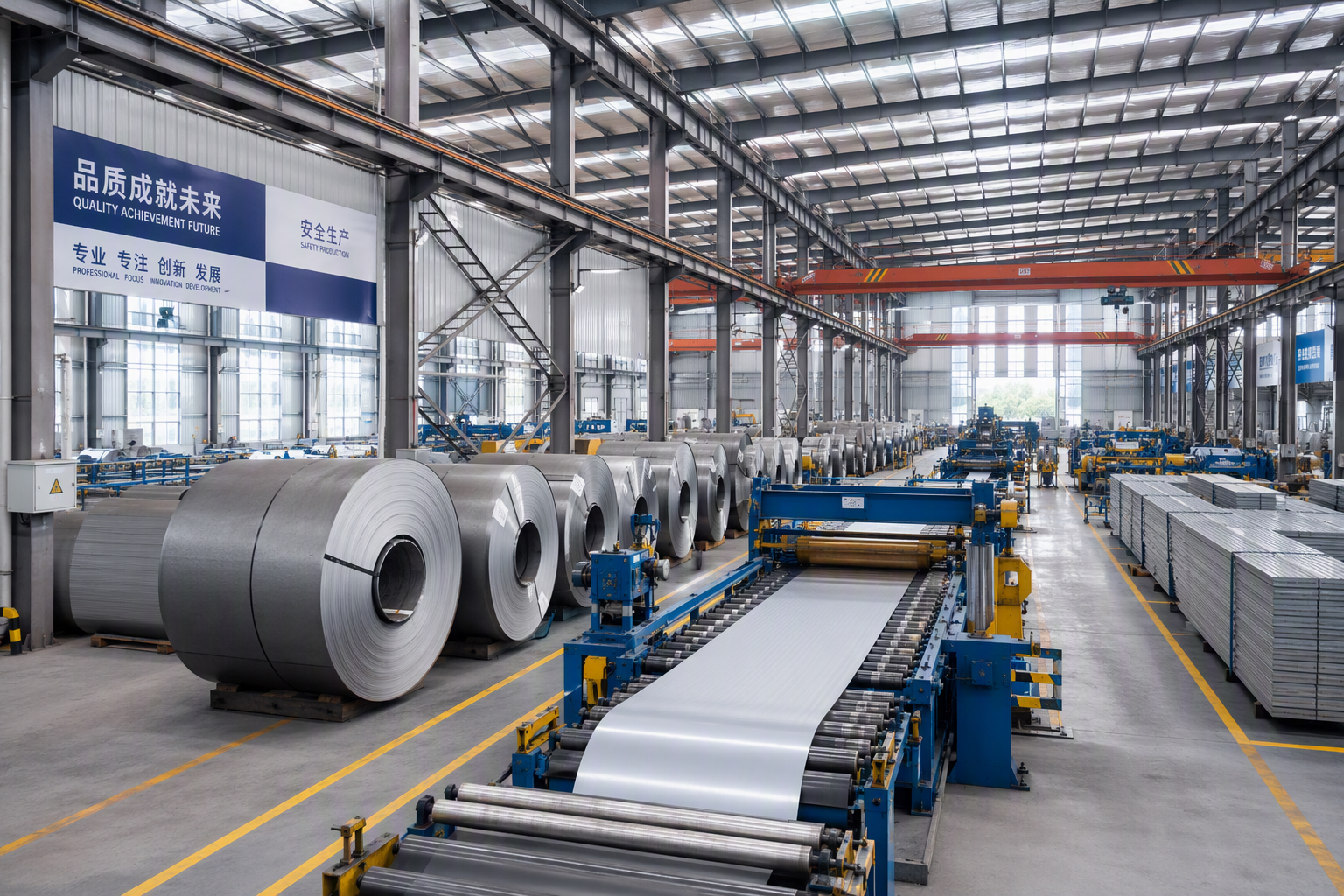
Key Highlights
- Steel coil hardness for rolling doors affects forming behavior, product quality, and long-term consistency.
- Harder material is not always better for garage doors or industrial rolling doors.
- If the coil is too soft, profiles can deform and lose rigidity during use.
- If the coil is too hard, springback, cracking, and setup issues can increase.
- Good material selection supports smoother production, lower maintenance practices, and better service life.
- Yield strength and elongation often explain forming results better than simple hardness labels.
Introduction
Two steel coils can share the same thickness, coating, and color, yet behave very differently on the same production line. One may run smoothly, while another creates springback, unstable dimensions, or profile defects in rolling doors and garage doors. In many cases, the reason is not appearance but the mechanical behavior of the steel coil. That is why factories should look beyond simple buying terms and pay closer attention to material selection, performance needs, and industry standards before placing orders.
Why Steel Coil Hardness Matters in Rolling Door Production
Rolling door slats go through uncoiling, leveling, roll forming, bending, cutting, and assembly. At every stage, roll hardness and steel behavior affect how the profile forms and holds its shape. Good material selection helps a roller door line achieve stable dimensions and better product quality.
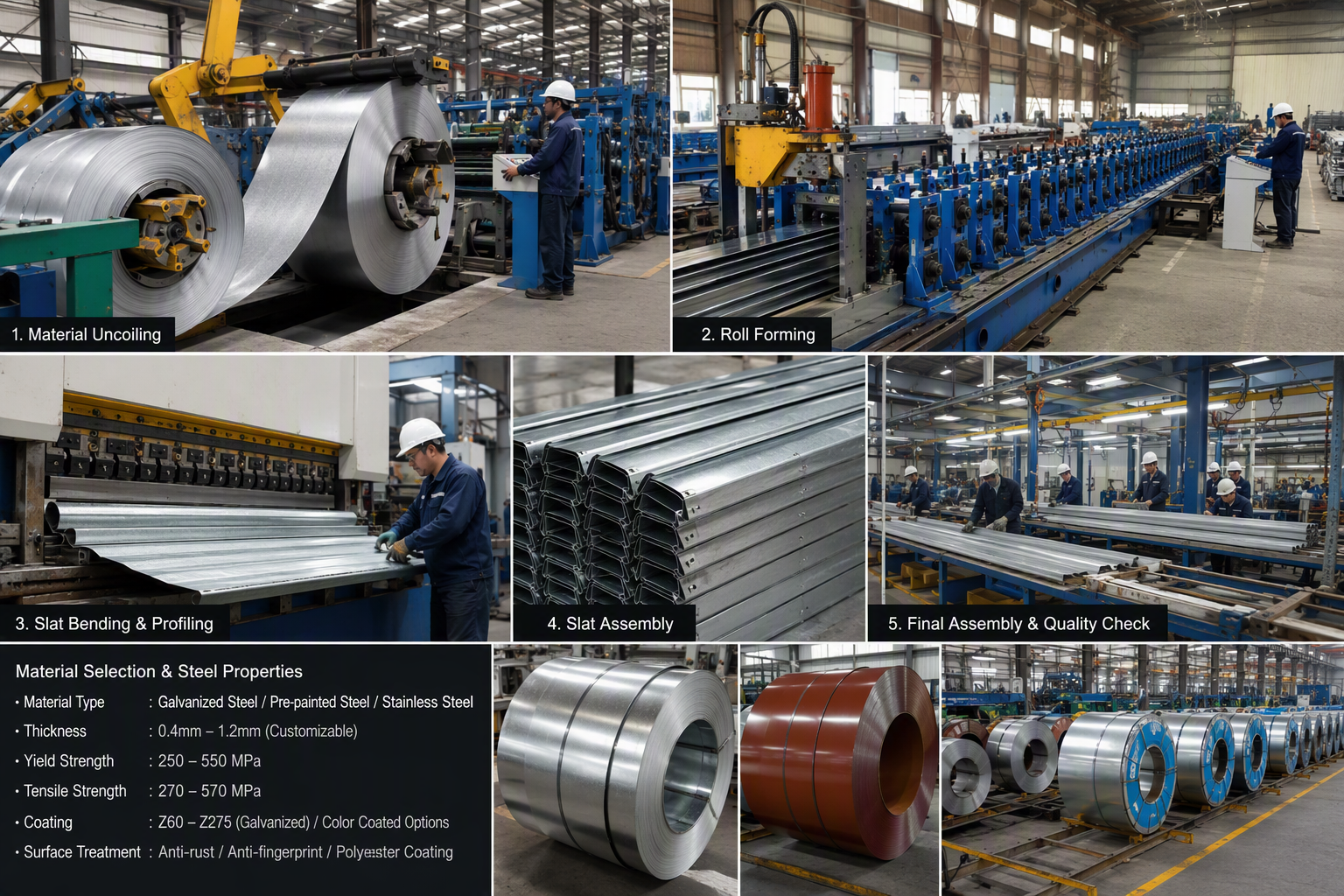
At the same time, the steel must balance strength and formability. If the material is too weak, the finished door may lack rigidity. If it is too strong for the setup, springback and forming stress can rise. That balance influences service life and also helps factories build doors that resist wind pressure more reliably.
Impact of Hardness on Roll Forming Efficiency and Quality
In roll forming, material behavior shows up fast. A coil with suitable roll hardness passes through rollers with less correction, fewer setup changes, and more predictable shaping. That supports smooth operation on the line and reduces wasted time.
When hardness is mismatched, the factory may see unstable profile angles, width variation, or poor surface finish after forming. These issues affect product quality even when coating, thickness, and color look correct before production starts. The line may keep running, but the result can still be inconsistent.
You can think of hardness selection as a production control factor. The right steel lowers mechanical stress on the process and helps keep dimensions repeatable. That is why factories focused on operational efficiency do not judge steel only by price. They judge how well it forms, how stable it stays, and how reliably it delivers acceptable output.
Material Hardness and Factory Safety Concerns
Rolling door factory safety is tied to door performance, not just assembly speed. When hardness is poorly matched, rolling doors may develop unstable profiles, uneven movement, or weak rigidity. Those conditions can affect how the door tracks and operates over time.
Another concern is failure during forming or later use. Overly hard material can increase the risk of cracking at tight radii or edges. Material that is too soft can dent or deform more easily during handling, packaging, and installation. Both cases can create failure modes that make factory safety harder to control.
A safer approach is to match material properties to the door design, equipment, and expected loads. That supports operational safety and better alignment with safety standards. In practical terms, correct hardness selection helps reduce avoidable defects before they turn into field problems, service calls, or unexpected production stoppages.
Influence on Rolling Door Durability and Service Life
Durability depends on more than coating or thickness. The base steel also matters because it affects how well the slat keeps its shape under repeated use. A properly selected material can support longer service life by improving rigidity and lowering deformation risk.
Still, harder steel alone does not guarantee better durability. If high hardness causes springback, edge cracking, or paint cracking during forming, the finished door may enter service with hidden defects. Those defects can shorten service life and create more maintenance practices later. For coated products, corrosion resistance also depends on avoiding damage during shaping.
From a lifecycle view, the best choice is the steel that forms cleanly and performs steadily. Good balance helps reduce wear-related issues, limits visible damage, and supports durability in industrial settings. That gives you a stronger base for reliable operation and fewer avoidable maintenance concerns across the door system.
Common Manufacturing Issues Due to Incorrect Steel Coil Hardness
Incorrect hardness creates manufacturing issues long before the door reaches the customer. A coil may look acceptable on paper, but the wrong roll hardness can cause unstable forming, difficult machine adjustment, and inconsistent finished dimensions. These problems quickly affect product quality.
On the production floor, the results often appear as failure modes such as profile deformation, cracking, springback, or handling damage. That is why hardness choice should be treated as a technical decision, not just a purchasing shortcut. The next two sections show what happens at both extremes.
Problems from Using Steel Coil That Is Too Soft
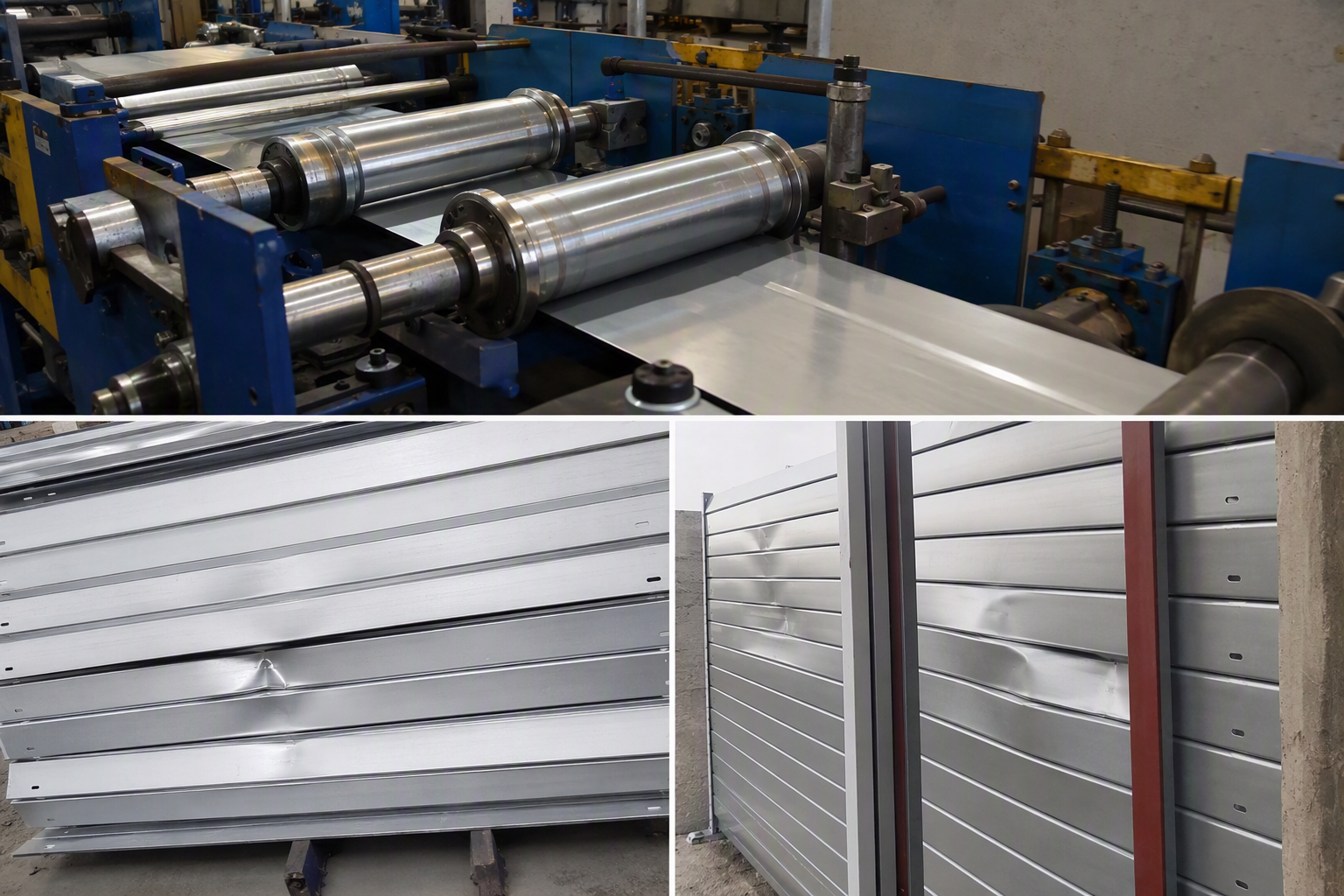
Steel that is too soft usually forms easily, but that is only part of the story. After roll forming, the slat may not keep the intended shape well enough. Profiles can distort during stacking, assembly, transport, or installation, especially when the product faces mechanical stress.
The finished door may also show lower rigidity in service. That can lead to sagging, dents, and shape variation that harms appearance and function. Even if the surface finish looks fine at first, the material may be more vulnerable to handling marks and later deformation.
Common problems include:
- Profile deformation and unstable geometry
- Greater risk of dents, bending, and surface finish damage
- Higher chance of costly repairs after installation
So, softer steel can make forming easier, but it may raise quality risks later. Easy processing does not always mean a better rolling door steel coil.
Risks Associated with Overly Hard Steel Coil
When steel is overly hard, forming becomes less forgiving. The slat tends to resist shape change and then recover after leaving the rollers. This springback makes dimensions harder to control and can force more machine adjustment during production. Higher roll hardness can also increase forming load on the equipment.
Another risk is damage during shaping. Tight radii, edge zones, and more complex profiles may crack when the material does not have enough forming tolerance. On coated products such as PPGI, paint cracking can also appear if the steel behavior, paint flexibility, and forming radius do not match well.
Typical risks include:
- Excessive springback and unstable profile angles
- Edge cracking or brittle failure in difficult forming areas
- Higher maintenance costs from setup strain and rejects
In short, stronger material may improve rigidity, but it can still hurt production if the line and profile are not prepared for it.
Key Factors When Choosing Steel Coil Hardness for Rolling Doors
Choosing steel coil hardness for rolling door production means looking at more than a label like soft or full hard. Good material selection considers how the steel will form, how stable the profile must be, and how the finished door will operate in real conditions.
Other critical factors include equipment capability, profile complexity, door size, and expected loads. These choices affect operational efficiency, dimensional control, and even noise levels if the door later moves unevenly. The next sections break this decision into formability, strength, and line-related requirements.
Balancing Formability with Strength Requirements
A useful way to view hardness selection is as a balance between formability and material strength. During roll forming, the steel must bend into the profile without cracking, while still keeping enough rigidity after shaping. That balance matters for rolling doors and garage doors alike.
If you focus only on load capacity and choose a very hard material, springback and cracking can become harder to manage. If you focus only on easy forming and choose a very soft coil, the slat may not hold its geometry well enough in service. Neither extreme supports stable output.
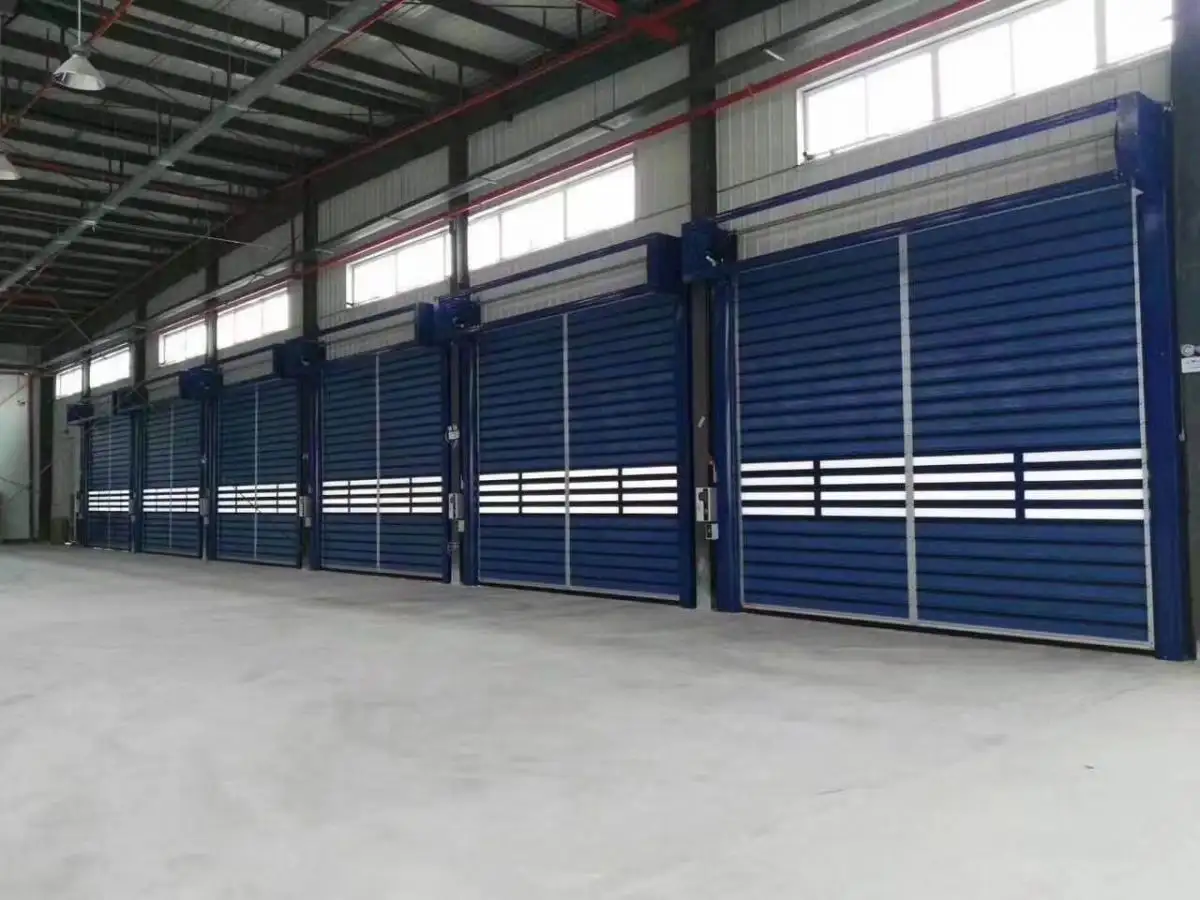
The best roll hardness is the one that matches the design and processing demands. Factories should ask a simple question: does this steel give the line enough forming tolerance while still meeting the needed strength level? That approach is more practical than assuming higher strength automatically means better performance.
Considering Profile Design, Equipment, and Operating Conditions
Profile design strongly affects hardness choice. A simple section with larger bending radii is easier to produce than a narrow or complex slat with tight forming demands. The door’s size also matters, because larger doors may need more rigidity and better dimensional stability.
Your equipment is just as important. Harder material places greater demands on rollers, setup accuracy, and forming force. If the line is not designed for that level of stress, production may become unstable. That is why a commercial garage door factory should validate the steel against actual machine capability, not just catalog language.
Operating and environmental conditions also shape the decision. Wind pressure, usage frequency, and handling conditions can change the right balance. In short, material choice should fit the whole system: profile design, equipment condition, and service demands in the field.
Understanding Different Hardness Levels: Soft vs. Semi-Hard vs. Full-Hard Steel Coil
Soft, semi-hard, and full-hard are common hardness levels used in steel coil buying, but these terms should be treated as general descriptions, not complete specifications. Different suppliers may use the same wording for materials with different mechanical behavior.
That matters in industrial applications because a rolling door line responds to measurable properties, not trade language. Whether the product is for general use or demanding settings such as cold storage, good material selection should look beyond labels and compare performance needs with actual mechanical data.
Application Scenarios for Soft, Semi-Hard, and Full-Hard Coils
Each condition has a practical use, but none is universally best. A soft coil offers easier forming and lower springback, which can help with more demanding profiles. The tradeoff is lower rigidity after forming. A semi-hard coil often gives a more balanced result for many rolling door profiles.
A full-hard coil can provide higher strength and better shape retention in some designs, but it may also bring more springback and cracking risk. That is why environmental factors, profile details, and machine setup all matter before selection. Even if downstream parts like the roller wheel and hardware are well chosen, the slat material still drives forming behavior.
Typical considerations:
- Soft coil: easier shaping, lower rigidity
- Semi-hard coil: balanced forming and strength
- Full-hard coil: higher strength, tighter processing window
The key is application fit, not choosing the hardest option by default.
Determining the Best Fit for Factory Rolling Door Lines
The best fit starts with clear selection criteria. You need to know the profile shape, expected load, forming radius, and what the line can handle consistently. That gives you a better basis than ordering steel by broad terms alone.
Operational stability should guide the decision. If one material causes frequent setup changes, unstable angles, or reject parts, it is probably not the right choice even if its strength looks attractive on paper. The goal is a line that runs steadily and produces repeatable slats.
It also helps to think ahead about maintenance requirements. Incorrect hardness can increase stress on tooling and create problems that later affect garage door hardware and field performance. A factory that validates material against its actual process will usually achieve better quality, fewer surprises, and a more reliable rolling door steel coil program.
Industry Standards and Mechanical Properties for Rolling Door Steel Coils
There are industry standards that support quality control in door-related products, and factories should use the same disciplined approach when reviewing rolling door steel coils. Still, a simple hardness description is not enough for purchasing or process control.
What matters most is a clear view of mechanical properties such as yield strength, tensile strength, elongation, and sometimes surface hardness. These measurable values help explain forming behavior much better than labels like soft or full hard. The next sections show how to read, specify, and test them.
Recognizing Accepted Hardness, Yield Strength, and Elongation Ranges
Factories often ask for full hard without defining what that means. That can create confusion because the same buying term may cover different hardness range values from different suppliers. For rolling door production, yield strength and elongation are often more useful than informal labels.
Higher yield strength usually means greater resistance to deformation, but it can also mean more springback. Lower elongation often means reduced forming tolerance. Reading these properties together gives a clearer picture of expected production behavior.
| Material Condition | Formability | Rigidity | Springback | Typical Consideration |
|---|---|---|---|---|
| Soft | Higher | Lower | Lower | Complex forming |
| Semi-Hard | Balanced | Medium | Medium | Many roll-forming applications |
| Full-Hard | Lower | Higher | Higher | Strength-focused applications |
| High Strength / G550 | Application-specific | High | Higher | Requires line and profile validation |
This type of comparison helps you judge performance more accurately.
How to Specify and Test Rolling Door Steel Coil Hardness
A better procurement method is to specify measurable properties instead of relying only on descriptions such as hard or full hard. For rolling door applications, factories should ask suppliers to confirm yield strength, tensile strength, elongation, and any relevant roll hardness or hardness test values.
Testing methods help verify that delivered material matches the order. The goal is not only to confirm strength, but also to predict forming behavior on the actual line. If the steel has been affected by heat treatment or other processing, that should also be clearly stated in documentation.
Useful specification points include:
- Required yield strength and elongation range
- Agreed hardness testing methods for incoming material
- Clear procurement language tied to measurable properties
In short, do not buy mechanical performance by description alone. Buy it by properties that can be checked and compared.
Conclusion
In conclusion, selecting the right steel coil hardness is pivotal for rolling door factories. It affects not only the efficiency and quality of production but also safety and durability. As we’ve explored, both overly soft and hard coils can lead to significant manufacturing issues, from dimensional instability to increased wear on equipment. Understanding the nuances between soft, semi-hard, and full-hard steel coils allows manufacturers to make informed decisions that align with their specific needs and operational conditions. By prioritizing appropriate hardness levels, factories can ensure optimal performance and longevity of their products. If you’re ready to take the next step, get quotes from our trusted suppliers to find the perfect steel coil for your rolling door manufacturing needs.
Frequently Asked Questions
Are there standards for steel coil hardness in rolling door manufacturing in Singapore?
Factories in Singapore should follow the same disciplined approach used in broader industry standards: do not rely on hardness wording alone. For rolling doors, steel coil selection should be tied to measurable properties such as yield strength, elongation, and verified hardness values to support compliance and stable production.
What problems can occur with the wrong steel coil hardness?
The wrong steel coil hardness can cause springback, cracking, profile deformation, unstable dimensions, and handling damage. These operational issues reduce product quality, create rejects, raise maintenance costs, and can hurt long-term performance once the rolling door is installed and used repeatedly.
Does higher hardness always mean higher performance for industrial rolling doors?
No. Higher hardness may improve strength, but it can also increase springback, cracking risk, and forming difficulty. For industrial doors, better service life and operational efficiency come from matching hardness to profile design, equipment capability, and actual production needs rather than choosing the hardest steel.
Why Steel Coil Hardness Matters in Rolling Door Production
Roll hardness matters because it affects how the slat forms, how stable dimensions remain, and how much rigidity the finished door keeps. For garage doors and industrial rolling doors, this supports durability, factory safety, and wind resistance when the material is matched to the design.
Impact of Hardness on Roll Forming Efficiency and Quality
Suitable hardness improves roll forming consistency, reduces correction work, and lowers mechanical stress on the line. That helps operational efficiency and supports better product quality. Poor hardness selection can lead to unstable shapes, rejects, and surface finish problems even when the incoming coil looks acceptable.
Material Hardness and Factory Safety Concerns
Material selection affects safety because poor hardness matching can create failure modes such as cracking, weak rigidity, or unstable movement. These issues may increase maintenance needs and make operational safety harder to control on the production floor and later in field use.
Influence on Rolling Door Durability and Service Life
Hardness influences durability by affecting shape retention, damage risk, and forming quality. For garage doors and rolling doors, a balanced material can support longer service life, while poor selection may reduce wear resistance and harm corrosion resistance if cracking or coating damage occurs.
Common Manufacturing Issues Due to Incorrect Steel Coil Hardness
Common manufacturing issues include springback, cracking, profile distortion, dimension changes, and surface damage during handling or forming. These failure modes can hurt assembly quality and make it harder to deliver rolling doors that properly support fit, function, and any additional security features.
Problems from Using Steel Coil That Is Too Soft
If the steel coil is too soft, the slat may deform more easily, lose profile accuracy, and show lower rigidity. That can reduce load capacity, contribute to uneven movement in service, and increase maintenance because dents and shape changes become more likely over time.
Risks Associated with Overly Hard Steel Coil
An overly hard coil may resist forming, create stronger springback, and raise cracking risk in tight bends. That adds mechanical stress to the line and can lead to rejects or costly repairs. It may also create downstream issues that affect garage door hardware fit and operation.
Key Factors When Choosing Steel Coil Hardness for Rolling Doors
Hardness selection should consider profile shape, equipment capability, forming radius, required rigidity, and service conditions. For steel doors, the right roll hardness supports optimal performance and helps limit future maintenance by reducing defects, unstable dimensions, and unnecessary stress during production.
Balancing Formability with Strength Requirements
The target is balance. Good formability allows the roller door profile to be shaped cleanly, while enough strength helps the finished slat hold its geometry. For commercial doors, that balance improves service life better than choosing steel only for easy forming or only for maximum strength.
Considering Profile Design, Equipment, and Operating Conditions
Profile design, equipment limits, door’s size, and frequency of use all affect hardness choice. Environmental conditions such as wind pressure or handling demands also matter. A steel grade that works on one line may not work well on another with a different setup or profile.
Understanding Different Hardness Levels: Soft vs. Semi-Hard vs. Full-Hard Steel Coil
Soft, semi-hard, and full-hard are useful hardness levels for comparison, but they should not be the only selection criteria. Different suppliers may use these terms differently. Operational stability improves when factories compare actual steel coil data such as material strength and elongation instead.
Application Scenarios for Soft, Semi-Hard, and Full-Hard Coils
Soft coil suits easier shaping, semi-hard often fits many commercial settings, and full-hard may suit strength-focused industrial applications. Even in cold storage or other demanding environments, the best choice depends on profile and line capability. Good matching helps wear resistance and lowers maintenance risk.
Determining the Best Fit for Factory Rolling Door Lines
The best fit comes from practical selection criteria: actual forming results, dimensional control, equipment limits, and end-use needs. For a commercial garage door line, that approach protects product quality and service life while supporting better maintenance practices and fewer avoidable production problems.
Industry Standards and Mechanical Properties for Rolling Door Steel Coils
Standards matter, but factories should focus on mechanical properties they can verify. For steel doors in Singapore or elsewhere, surface hardness alone is not enough. Yield strength, tensile strength, and elongation provide a more reliable basis for selecting material that will form and perform correctly.
Recognizing Accepted Hardness, Yield Strength, and Elongation Ranges
Recognizing the link between hardness, yield strength, and elongation helps factories judge forming behavior more accurately. Higher yield strength often means more springback, while lower elongation may reduce forming tolerance. Using all three values supports compliance checks and better production performance.
How to Specify and Test Rolling Door Steel Coil Hardness
Good procurement starts with measurable requirements. Specify yield strength, elongation, and any required roll hardness values, then confirm them through testing. If heat treatment or special processing affects the steel, that should be documented too. Verified data supports more predictable production performance.
Are there standards for steel coil hardness in rolling door manufacturing in Singapore?
Yes, factories in Singapore should use industry standards thinking and measurable property control when buying steel coil hardness for rolling doors. Rather than accepting broad trade labels, they should request tested mechanical data to support compliance, repeatable forming, and consistent finished door quality.
What problems can occur with the wrong steel coil hardness?
Wrong hardness can cause operational issues such as springback, cracking, dents, or unstable profiles. These failure modes hurt product quality, raise maintenance costs, and may create safety concerns if the finished rolling door lacks proper rigidity or develops defects during use.
Does higher hardness always mean higher performance for industrial rolling doors?
No. Hardness can improve load capacity and rigidity, but too much can damage forming performance. The best result for service life and maintenance comes from matching the steel to the profile, line setup, and field demands rather than chasing maximum hardness alone.
Why Steel Coil Hardness Matters in Rolling Door Production
Steel coil hardness matters because it shapes the whole production result. It affects forming stability, final rigidity, operational efficiency, and later maintenance needs. For garage doors and rolling doors, correct selection supports fewer defects and a more dependable service life in real operation.
Effects on Factory Efficiency and Product Quality
Matching hardness to the line improves roll forming consistency and operational stability. That reduces adjustment time and helps factories maintain product quality. If hardness is mismatched, efficiency drops as rejects rise, dimensions vary, and surface finish or shape problems become harder to control.
Role in Ensuring Safety and Durability
Correct hardness selection supports safety and durability by helping the finished profile keep its intended shape. That lowers the chance of cracking or weak rigidity. Better forming quality also reduces maintenance exposure and helps the product align more closely with safety standards in use.
Consequences of Using Improper Steel Coil Hardness
Improper hardness can trigger product failures such as distorted slats, cracks, or poor dimensional control. These failure modes often lead to costly repairs, higher maintenance, and line inefficiency. In many cases, the problem starts with buying terms that were too vague to control performance.
Outcomes from Too Soft Steel Coils
Too soft steel coils can cause deformation after forming, lower rigidity, and greater risk of dents or surface damage during handling. These operational issues may not appear immediately, but they often show up later as quality complaints, field instability, and higher maintenance costs.
Issues with Excessively Hard Steel Coils
Excessively hard coils can create springback, cracking, and high forming loads. That adds mechanical stress to the line and may contribute to unstable profiles that later cause uneven movement. While separate from roller bearings, poor slat consistency can still affect how the whole door system operates.
Selecting the Right Steel Coil Hardness for Rolling Door Manufacturing
Selecting the right steel coil hardness means matching material selection to profile shape, equipment, and required rigidity. For rolling doors and garage doors, that improves efficiency during production and supports longer service life after installation. Broad labels alone are not enough for reliable results.
Strength versus Formability: Finding the Balance
The balance between strength and formability is central to good steel doors production. Too much focus on one side creates problems on the other. A roller door performs best when the steel forms cleanly, holds its shape, and allows operational efficiency on the production line.
Assessing Equipment Capability and Design Demands
Equipment capability must match design demands. A harder coil may look attractive, but if the line cannot form it consistently, operational issues will follow. Environmental conditions and service loads should also guide the choice, because poor matching can increase maintenance and reduce field reliability.
Comparing Soft, Semi-Hard, and Full-Hard Steel Coils
In a simple coil comparison, soft material offers easier forming, semi-hard gives a broader balance, and full-hard provides higher strength with more springback risk. These hardness levels should be judged by application needs. Product quality depends on fit with the line, not just the label.
Typical Applications and Limitations for Each Type
Typical applications depend on the profile and production setup. Soft steel coil can help complex shapes, while full-hard may suit simpler, strength-focused profiles. The limitations appear when hardness and forming demands do not match. That mismatch can shorten service life and increase defects.
Which Hardness Level Suits Your Factory Needs?
The right hardness level is the one that meets your selection criteria for forming, rigidity, and equipment capability. A factory should choose the grade that protects operational efficiency and limits maintenance exposure, not the one that sounds strongest in a quotation or purchase order.
Industry Standards for Rolling Door Steel Coil Hardness
Industry standards support disciplined quality control, but compliance for rolling doors depends on using verified steel coil data. Hardness should be part of the review, not the whole review. Factories get better results when they combine hardness with yield strength and elongation checks.
Relevant Mechanical Property Guidelines for Singapore
For Singapore projects, the safest approach is to specify mechanical properties clearly and verify them with suppliers. Rolling doors should be purchased using compliance-focused documentation tied to industry standards thinking, including yield strength, elongation, and hardness values rather than informal trade descriptions.
Testing and Specifying Steel Coil Hardness in Procurement
Testing and procurement should work together. A purchase order should define measurable hardness and related mechanical values, while incoming inspection confirms them. This quality assurance approach reduces avoidable defects and can lower future maintenance by preventing unsuitable material from reaching production.
What issues may arise if a rolling door factory selects the wrong hardness steel coil?
If the hardness is wrong, rolling doors may show profile distortion, cracking, weak rigidity, or unstable dimensions. These operational issues can disrupt production, increase maintenance exposure, and reduce service life because the finished product starts with a poor mechanical match.
Is harder steel always better for rolling door durability?
No. Harder steel may increase strength, but durability depends on balanced behavior. If the material causes springback or cracking during forming, rolling doors can suffer despite higher hardness. Better durability usually comes from a proper match that reduces defects and future maintenance needs.
Are there industry standards in Singapore for steel coil hardness in rolling door production?
Yes, Singapore adheres to specific industry standards for steel coil hardness in rolling door production. These standards ensure product durability and safety, aligning with international norms. Manufacturers must comply with these guidelines to guarantee quality and performance in their rolling door products.