

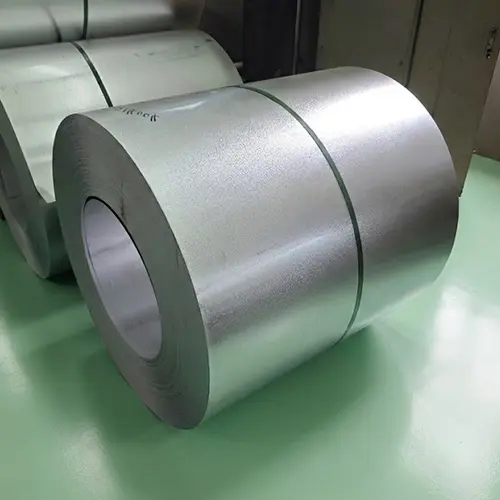
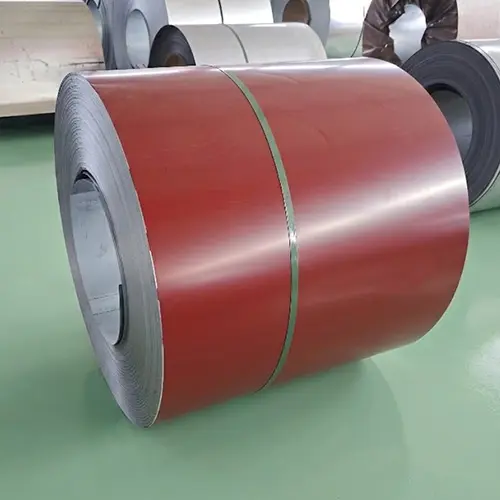

You might wonder why some PPGI coils leave visible roller marks during forming. Imagine you receive a batch of coils, and soon you notice lines on the finished panels. These marks often lead to complaints from customers and can lower the quality of your products. Many buyers send complaints because they expect high quality, not defects. When you understand the causes, you can prevent complaints and improve the quality of every order. Why Some PPGI Coils Cause Roller Marks During Forming often links back to coil quality and handling.
Key Takeaways
- Roller marks are unwanted lines on steel caused by pressure, friction, or damaged rollers during forming.
- High-quality PPGI coils with smooth surfaces and strong coatings reduce the risk of roller marks.
- Regular inspection of rollers for damage and cleanliness is crucial to prevent defects on steel surfaces.
- Adjusting forming parameters, like pressure and speed, helps maintain a smooth finish and avoid roller marks.
- Environmental factors, such as dust and contamination, can weaken coating adhesion and lead to roller marks.
- Early detection of roller marks through visual inspections can save time and reduce waste in production.
- Using precision-machined rollers and applying protective lubricants can minimize surface damage during forming.
- Always choose reliable suppliers and inspect coils before use to ensure high-quality materials and avoid defects.
What Are Roller Marks

Roller Marks Definition
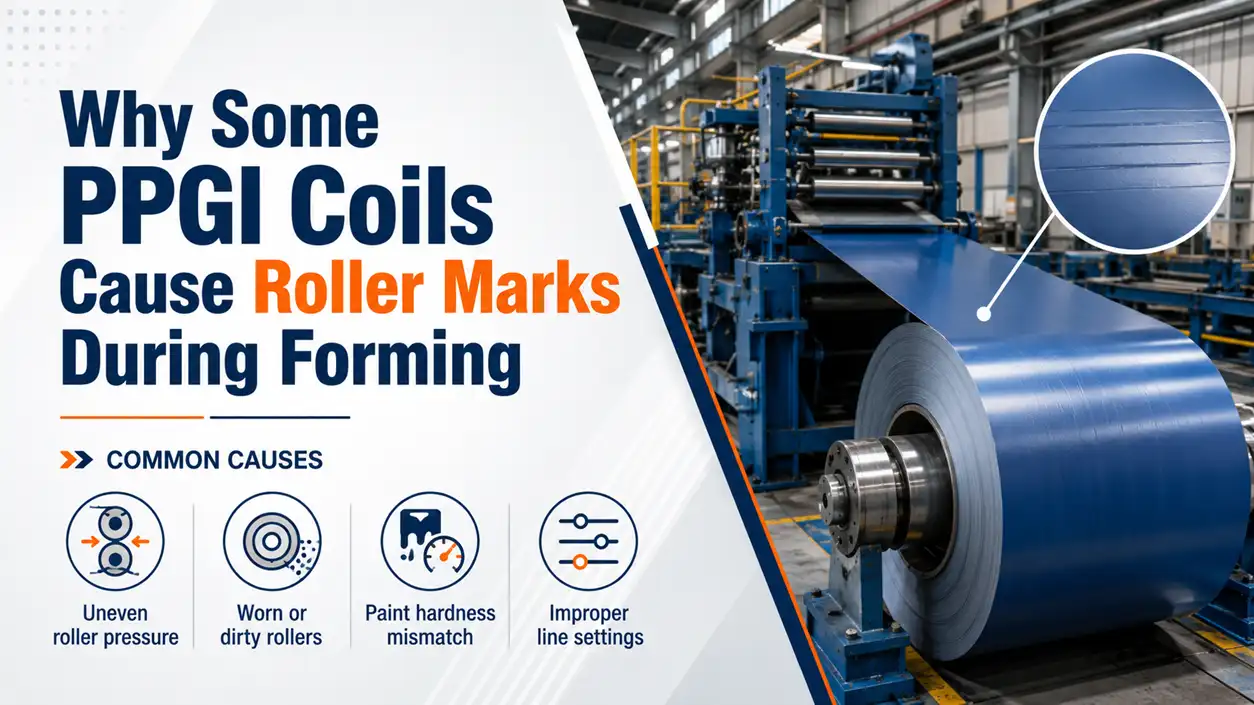
When you work with steel, you may notice lines or streaks on the surface after forming. These lines are called roller marks. Roller marks appear when the rollers in your forming machine press against the steel coil and leave visible impressions. You can think of them as unwanted tracks that show up because of pressure, friction, or problems with the rollers. Roll marks are a type of surface defect that often happens during the shaping or bending of steel. They can show up on any part of the steel coil, especially if the rollers have damage or if there is debris stuck to them.
Appearance On PPGI Coils
You can spot roller marks easily if you know what to look for. On PPGI coils, these marks often look like straight or wavy lines that run along the length of the steel. Sometimes, roll marks appear as shiny or dull streaks, depending on the coating and the pressure used during forming.
You might see them more clearly under bright light or when you tilt the steel at an angle. The marks can be shallow or deep, but even small roll marks can affect the look of the finished steel product. If you use steel for home appliances or building panels, these marks can make the surface look uneven or scratched. Some roll marks may even cause the paint or coating to peel off later.
Tip: Always check both sides of the steel coil. Roller marks can appear on the top or bottom, depending on how the rollers touch the steel.
Why Roller Marks Matter
You should care about roller marks because they can lower the quality of your steel products. When you see roll marks, you know that something went wrong during forming. These marks do not just affect how the steel looks. They can also cause bigger problems, like poor paint adhesion or weak spots in the steel. If you supply steel for home appliances, customers expect a smooth and flawless finish. Roller marks can lead to complaints or even rejected batches.
Here is a table that shows how different causes of roller marks can impact your steel products:
| Cause of Roller Marks | Impact on Product Quality |
|---|---|
| Mechanical contact with rollers | Compromises surface smoothness and paint adhesion |
| Damaged or worn-out rollers | Leads to visible defects on large surfaces |
| Debris on rollers | Causes unacceptable cosmetic issues for home appliances |
| Bearing problems | Results in major quality failures in architectural panels |
You want to avoid roll marks because they can cost you time and money. Fixing these defects often means extra work, more inspections, or even scrapping steel coils. By understanding what roller marks are and why they matter, you can take steps to prevent them and keep your steel products at the highest quality.
Why Some PPGI Coils Cause Roller Marks During Forming
When you work with color-coated steel, you want every coil to look perfect. Still, you may notice roller marks on some batches. Why some ppgi coils cause roller marks during forming often comes down to a mix of surface quality, adhesion, mechanical factors, and process issues. Let’s break down each cause so you can spot and fix problems before they affect your steel products.
Surface Quality And Adhesion
The surface of color-coated steel plays a huge role in whether you see roller marks. If the surface is smooth and the adhesion is strong, you get fewer defects. When the surface has flaws or the adhesion is weak, roller marks show up more often.
Uneven Coating Or Contamination
You need a uniform coating on your steel. If the coating is patchy or thin in some spots, the rollers press harder on those areas. This uneven pressure leaves roller marks. Contamination on the surface, like oil, dust, or even tiny bits of metal, can also cause problems. These contaminants act as barriers, stopping the coating from sticking well. When you form the steel, the poor adhesion leads to visible marks and even peeling.
Environmental contamination in your plant can make things worse. Dust in the air or leftover chemicals from cleaning can settle on the steel surface. This contamination weakens the bond between the steel and the coating. You might see roller marks right after forming, or they may appear later as the coating lifts away.
Poor Adhesion Issues
Adhesion is the glue that holds the coating to the steel. If you have poor adhesion, the coating can shift or crack when you bend or shape the steel. This movement creates roller marks and other coating defects. Strong adhesion means the coating stays put, even under pressure.
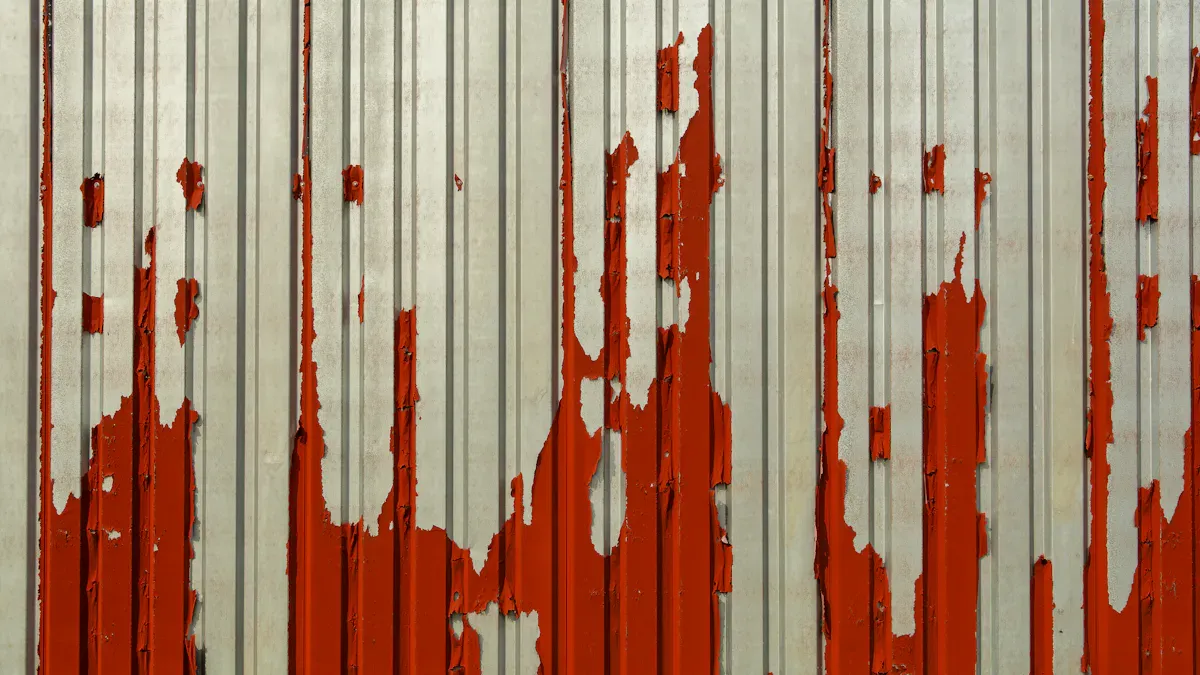
The uniformity of texture on ppgi coils is crucial. When the surface is consistent and free from patchiness, it significantly reduces the chances of roller marks appearing. Additionally, strong adhesion of the coating contributes to a smoother finish, further minimizing the likelihood of defects. You can check adhesion using lab tests like the Coating Bend Test or the Reverse Impact Test. These tests help you spot poor adhesion before you start forming.
| TEST | ASTM STANDARD |
|---|---|
| COLOR | D2244 – 16 |
| SALT SPRAY | B117 – 18 |
| PENCIL HARDNESS | D3363 – 05(2011)e2 |
| T-BEND | D4145 – 10(2018) |
| DRY FILM THICKNESS | D5796 – 10(2015) |
| CROSS HATCH ADHESION | D3359 – 17 |
| SOLVENT RESISTANCE | D5402 – 19 |
| SPECULAR GLOSS | D523 – 14(2018) |
| MANDREL BEND TEST | D522 -17 |
| CHALK RESISTANCE | D4214 – 07(2015) |
Note: Regular testing for adhesion helps you catch problems early and avoid roller marks on color-coated steel.
Mechanical And Roller Factors
The rollers in your forming machine touch every inch of the steel. If something goes wrong with the rollers, you will see roller marks on your color-coated steel.
Roller Surface Damage
Roller surface damage is a common cause of roller marks. Nicks, dents, or flat spots on the rollers can press into the coating and leave marks. Even small damage can show up as lines or streaks on the steel surface. Worn-out rollers also create uneven contact, which leads to more defects. If you see repeated marks in the same spot, check for roller surface damage.

Excessive Or Uneven Pressure
You need the right amount of pressure to form color-coated steel. Too much pressure can crush the coating, while too little can cause the steel to slip. Uneven pressure across the rollers creates different levels of contact. This uneven force leaves roller marks and can even cause coating defects. If you notice marks that change from one side of the coil to the other, check your roller settings.
Here are some main mechanical causes of roller marks:
- Damaged rollers (nicks, dents, flat spots)
- Debris or dirt stuck to rollers
- Worn-out rollers with uneven surfaces
- Bearing problems causing vibration
Roller surface contamination, like dirt or paint residue, can also transfer patterns onto the steel. You should clean rollers often to prevent this.
Process And Operation Issues
The way you run your forming process affects the final look of your color-coated steel. Small changes in temperature or machine setup can lead to roller marks.
Zinc Temperature Fluctuations
If the zinc temperature changes too much during coating, the surface of the steel can become rough or uneven. This roughness makes it hard for the coating to stick, leading to poor adhesion. When you form the steel, the weak spots show up as roller marks. Keeping the zinc temperature steady helps you avoid these problems.
Improper Roller Grinding
Rollers need a smooth, even surface to work well. If you grind rollers the wrong way, you create tiny grooves or high spots. These flaws press into the steel and leave roller marks. Regular checks and proper grinding keep your rollers in top shape.
Excessive Bending Or Stamping
If you bend or stamp the steel too much, you put extra stress on the coating. This stress can break the bond between the coating and the steel, causing poor adhesion. Roller marks often appear in areas where the steel bends the most. You should adjust your process to avoid overworking the steel.
Tip: Always monitor your process settings. Small changes in pressure, temperature, or speed can make a big difference in the quality of your color-coated steel.
Why Some PPGI Coils Cause Roller Marks During Forming: The Big Picture
You now see that why some ppgi coils cause roller marks during forming links back to several key factors:
- Surface quality and adhesion
- Roller surface damage and contamination
- Mechanical settings and process control
- Environmental contamination in the plant
If you focus on these areas, you can reduce roller marks and improve the look and strength of your color-coated steel. Always test for adhesion, keep your rollers clean, and watch your process closely. This approach helps you deliver high-quality steel every time.
How To Identify Roller Marks Early
You want to catch roller marks before they become a big problem. Early detection helps you save time, reduce waste, and keep your steel products looking their best. You can use a few simple steps and tools to spot these defects before they affect your production.
Visual Inspection Steps
Start with a careful look at your steel coils. Place the coil under bright, even lighting. Move slowly along the length of the steel and check both sides. Look for lines, streaks, or any changes in the surface. You may see shiny or dull areas that do not match the rest of the steel. Use your hands to feel for rough spots or grooves. Sometimes, you can feel roller marks even if you cannot see them right away. If you notice any unusual patterns, mark those areas for further checking.
Tip: Always inspect the steel before and after forming. Early checks help you catch roller marks before they spread.
Warning Signs During Forming
You can spot warning signs while forming steel. Listen for unusual sounds from the rollers. Squeaks or grinding noises often mean something is wrong. Watch the steel as it moves through the machine. If you see lines forming on the surface, stop the process and check the rollers. Uneven movement or sudden jerks can also signal a problem. If the steel starts to slip or bunch up, you may have too much or too little pressure. These signs often appear before roller marks become severe.
You should also pay attention to changes in the coating. If the paint starts to peel or crack during forming, check for roller marks right away. Small defects can grow quickly if you do not act fast.
Simple Detection Tools
You do not need expensive equipment to find roller marks. Simple tools work well for early detection. Use a bright flashlight to shine across the steel surface. This light makes even small marks stand out. A magnifying glass helps you see fine lines or tiny defects. You can also use a straightedge or ruler to check for uneven surfaces. Place the straightedge flat on the steel and look for gaps or raised areas.
Here is a quick list of simple detection tools you can use:
- Bright flashlight for surface inspection
- Magnifying glass for close-up checks
- Straightedge or ruler for flatness
- Clean gloves for feeling surface changes
Visual inspection remains one of the best ways to catch roller marks early. You can train your team to spot defects quickly and take action before they affect more steel. Early detection keeps your steel products strong and attractive.
Prevent Roller Marks On PPGI Coils
You can prevent roller marks on PPGI coils by focusing on three main areas: choosing quality coils, adjusting forming parameters, and maintaining rollers. Each step helps you keep your steel products looking smooth and professional.
Choose Quality Coils
Start with the best steel you can find. High-quality coils have a smooth surface and a strong coating. When you select coils, check for even color and no visible defects. Ask your supplier for test reports that show the coating thickness and adhesion strength. Reliable suppliers will share their inspection results. You should also visit your supplier’s plant if possible. Watch how they handle and store steel. Good storage keeps dust and dirt away from the coils. Regular supplier checks help you avoid problems before the steel reaches your factory.
Tip: Always inspect new coils before you use them. Early checks help you spot issues and prevent roller marks from the start.
Adjust Forming Parameters
You can reduce the risk of roller marks by changing how you form steel. Adjust the pressure and speed of your forming machine to match the type of steel you use. For PPGI, slower speeds protect the coating and lower the chance of surface defects. If you switch between PPGI and bare galvanized steel, remember to adjust the speed each time.
Here is a table with some recommendations:
| Parameter | Recommendation |
|---|---|
| Forming Speed | Slower speeds for PPGI to protect coating |
| Material Type | Adjust speed when switching between PPGI and bare galvanized coils |
When you shape steel gradually, you prevent sudden stress on the coating. Well-designed roller tooling also helps. You can reduce scratches, roller marks, edge damage, and coating defects by using the right tools and settings.
- Gradual shaping minimizes surface defects.
- Well-designed roller tooling reduces:
- Scratches
- Roller marks
- Edge damage
- Coating defects
Check your forming parameters often. Small changes in speed or pressure can make a big difference in the final quality of your steel.
Maintain Rollers
Rollers touch every part of your steel during forming. Clean and inspect them often. Dirt, paint residue, or small dents on rollers can cause marks on the steel surface. Use a schedule to check rollers for wear and damage. Replace or repair rollers that show signs of trouble. Keep a record of roller maintenance so you know when each roller was last checked.
You should also train your team to spot problems early. Teach them how to clean rollers and what to look for during inspections. Regular maintenance keeps your rollers in top shape and helps you prevent roller marks on every batch of steel.
Note: Regular inspection of both your steel and your equipment is the best way to keep quality high. Do not skip these steps if you want to avoid costly defects.
Common Roll Marks And Mistakes
When you work with PPGI coils, you want to avoid surface defects. Many roller marks happen because of simple mistakes during processing. If you know what to watch for, you can keep your steel looking clean and professional.
Overlooking Coil Quality
You might think all coils are the same, but coil quality can change from batch to batch. If you skip a careful inspection, you risk using coils with uneven coatings or hidden defects. These flaws make the surface more likely to show marks after forming. Always check for smoothness and even color before you start. If you see any patchy spots or rough areas, set those coils aside. High-quality coils help you avoid problems later in the process.
Tip: Ask your supplier for test reports and inspect each new coil before use. This step helps you catch issues early.
Ignoring Roller Maintenance
Rollers play a big role in keeping your steel smooth. If you ignore maintenance, you invite trouble. Over time, rollers can develop nicks, dents, or flat spots. Even a small defect on a roller can leave a visible line on every coil you process. Dirt, dried paint, or other debris can also stick to rollers and transfer marks onto the steel. Worn-out rollers may not press evenly, causing streaks or uneven surfaces. Sometimes, a bad bearing causes a roller to bounce or vibrate, leaving repeated marks along the coil.
Here are some common mistakes that lead to roller marks:
- Using rollers with surface damage like nicks or dents
- Allowing dirt or dried paint to build up on rollers
- Failing to replace rollers that show signs of uneven wear
- Overlooking bearing problems that cause vibration
You should clean and inspect rollers on a regular schedule. Replace any that show damage or wear. This habit keeps your forming process smooth and your steel free from unwanted marks.
Rushing The Process
When you rush, you increase the risk of mistakes. Moving too quickly through inspections or skipping steps in the forming process can lead to roller marks. If you set the forming speed too high, the coating may not have time to adjust, and the rollers can press too hard or unevenly. You might also miss early warning signs, like strange noises or small surface changes, if you do not pay close attention.
Take your time with each step. Slow down during inspections and forming. Listen for unusual sounds from the rollers and watch for any changes on the steel surface. Careful work helps you catch problems before they grow.
Remember: Quality takes time. A steady pace and regular checks keep your steel looking its best.
Case Studies: Roller Marks In Practice
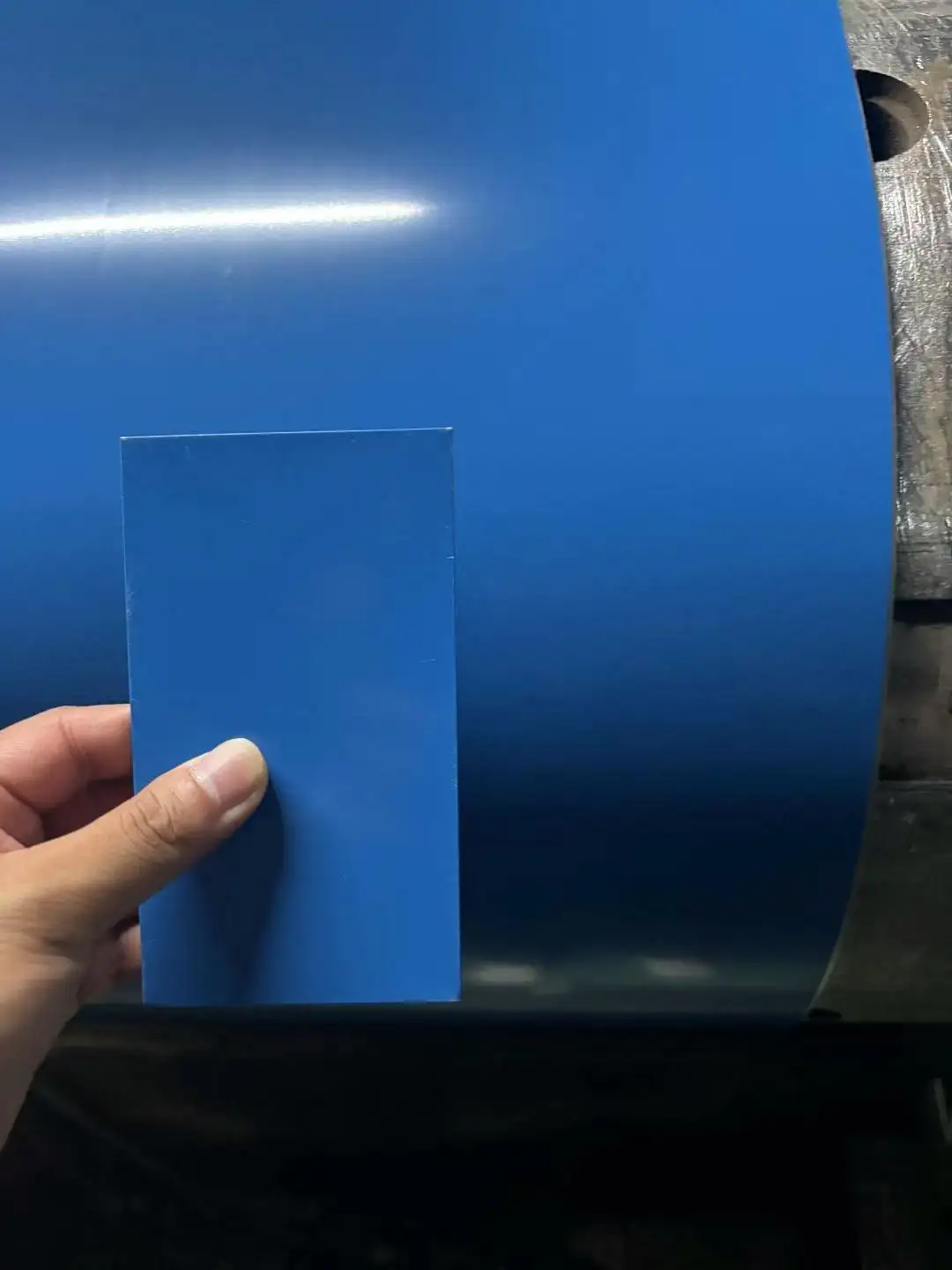
Paint Residue Build-Up
You may notice roller marks appear suddenly, even after many smooth batches. One common cause is paint residue build-up on the rollers. When you form PPGI coils, small amounts of paint can stick to the roller surface. Over time, this residue hardens and creates uneven spots. These spots press into the next coil, leaving visible lines or streaks. You might see these marks as shiny or dull lines that run along the steel. Sometimes, the marks look like repeating patterns, matching the roller’s rotation.
You can spot paint residue by inspecting the rollers after each shift. If you see color streaks or rough patches, clean the rollers right away. Ignoring this step leads to more severe marks and even coating damage. You should also check for dried paint flakes on the floor or around the forming machine. These flakes can get caught between the roller and the steel, causing new defects.
Tip: Clean rollers regularly with a soft cloth and approved solvent. This habit keeps the roller surface smooth and prevents residue build-up.
Fixing With Process Adjustments
You can fix roller marks by making small changes to your process. Start by checking the pressure settings on your forming machine. Too much pressure pushes the coating into the roller, while too little allows the steel to slip. Adjust the pressure until you see a smooth, even finish on the coil. Use a test strip to check the results before running a full batch.
Precision in manufacturing also plays a big role. You should use precision-machined rollers to keep the surface even. Rollers with tight tolerances reduce the risk of marks. If you notice repeated defects, replace or regrind the rollers to restore their shape.
Applying protective lubricants can help as well. Lubricants reduce friction between the roller and the steel. This step lowers the chance of surface damage and keeps the coating intact. Choose a lubricant that matches your coating type and forming speed.
Here is a table with key takeaways from industry case studies:
| Key Takeaway | Description |
|---|---|
| Precision in Manufacturing | Using precision-machined rollers is crucial to prevent roller marks. |
| Optimal Rolling Pressures | Maintaining the right rolling pressures helps minimize defects. |
| Protective Lubricants | Applying lubricants can reduce mechanical contact and surface damage. |
You can use these lessons to improve your own process. Regular checks, careful adjustments, and the right equipment help you avoid roller marks. When you act early, you keep your PPGI coils looking their best and reduce costly rework.
You can prevent roller marks on PPGI coils by focusing on three key areas: coil quality, process control, and regular maintenance. Always choose high-quality coils, adjust your forming parameters, and keep your rollers clean. Regular inspections help you catch issues early. 🛠️ Stay alert to small changes in your process. When you make inspection and improvement a habit, you keep your steel products looking their best.
FAQ
What causes roller marks on PPGI coils?
You often see roller marks when rollers have damage, dirt, or uneven pressure. Poor coil surface quality or weak coating adhesion can also lead to these marks. Always check your equipment and materials before starting production.
How can I prevent roller marks during forming?
You can prevent roller marks by using clean, well-maintained rollers. Choose high-quality coils and adjust your forming machine settings. Regular inspections help you catch problems early and keep your products smooth.
Are roller marks only a cosmetic issue?
Roller marks affect more than just appearance. These marks can weaken the coating and cause peeling or rust. Customers may reject products with visible marks, so you should always aim for a flawless finish.
What should I do if I find roller marks?
Stop your production line and inspect the rollers and coils. Clean or repair any damaged parts. Adjust your machine settings if needed. Test a small batch before restarting full production.
Can poor coil storage cause roller marks?
Yes, poor storage can lead to dust or moisture on coils. This contamination can cause roller marks during forming. Store your coils in a clean, dry place to avoid these problems.
How do I check for roller marks before shipping?
Inspect each coil under bright light. Look for lines, streaks, or changes in the surface. Use your hands to feel for rough spots. Early checks help you catch defects before products reach your customers.
Do roller marks affect pre-painted steel coils?
Yes, roller marks can appear on pre-painted steel coils. These marks can damage the coating and lower the value of your finished products. Always use proper handling and maintenance to protect your coils.