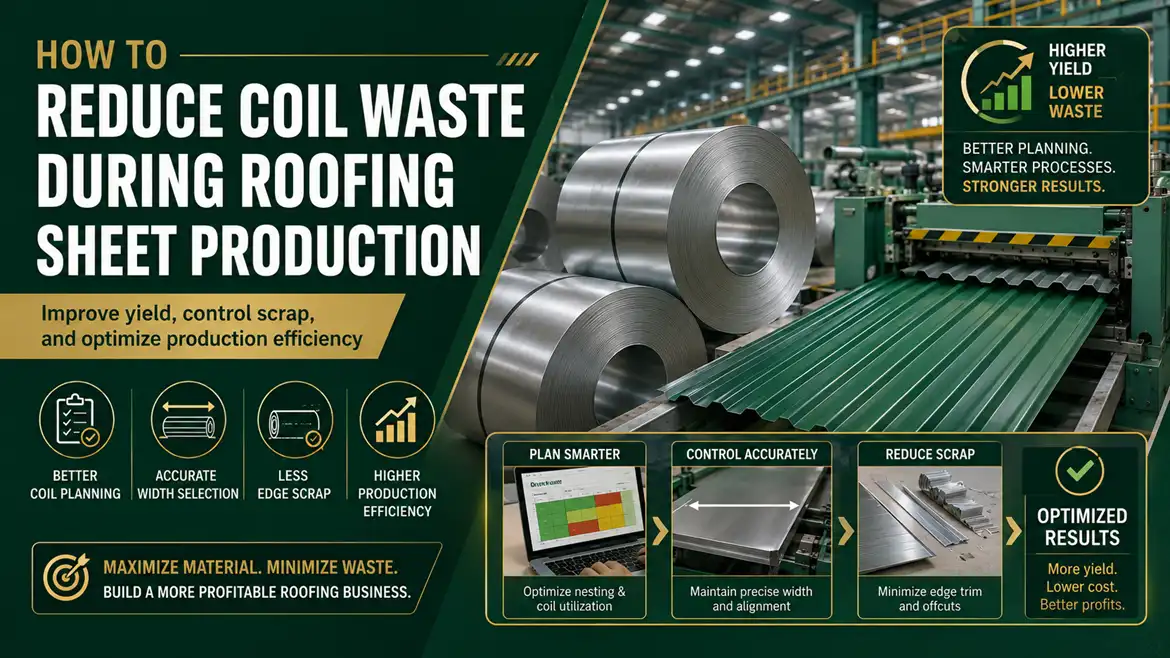

You can learn how to reduce coil waste during roofing sheet production by adjusting machines, performing preventive maintenance, and keeping material feeding stable. Operator training helps you avoid mistakes. Automation improves energy efficiency and water conservation. Recycling scrap supports sustainability and sustainability initiatives. Apply sustainable practices for roofing production. Focus on real-time monitoring to boost energy efficiency. Use high-quality coatings for roofing. Water conservation matters in roofing. Choose quality coils for roofing. Water conservation lowers costs in roofing. Sustainability initiatives drive roofing improvements. Water conservation supports roofing sustainability.
Key Takeaways
- Regularly check and calibrate machines to ensure accurate cuts and reduce waste.
- Invest in operator training to minimize human errors and improve production efficiency.
- Choose high-quality coils to prevent defects that lead to increased scrap material.
- Implement stable material feeding systems to avoid jams and misaligned cuts.
- Establish preventive maintenance routines to keep machines running smoothly and efficiently.
- Utilize automation and computerized controls to enhance consistency and reduce mistakes.
- Monitor production processes in real-time to quickly identify and address issues.
- Encourage recycling and reuse of scrap materials to support sustainability and reduce costs.
Understanding Coil Waste

What Is Coil Waste
You will often see coil waste during roofing sheet manufacturing. Coil waste refers to the leftover or unusable parts of metal coils after you finish cutting and shaping them into roofing sheets. These scraps can include trimmed edges, damaged sections, or pieces that do not meet quality standards. When you produce roofing sheets, you want to use as much of the coil as possible. Any material that does not become part of the final product counts as waste. Reducing coil waste helps you save money and supports sustainability in your roofing operations.
Causes of Coil Waste
Many factors can lead to coil waste in roofing production. Here are some common causes:
- Incorrect machine settings: If you do not set your machines properly, you may cut coils inaccurately or damage the material.
- Poor material handling: Dropping or mishandling coils can cause dents or scratches, making parts of the coil unusable.
- Operator errors: Mistakes during setup or operation can result in off-spec roofing sheets.
- Low-quality coils: Using coils with defects or poor coatings increases the chance of waste.
- Inconsistent feeding: If the coil feeds unevenly into the machine, you may see jams or misaligned cuts.
Tip: You can reduce waste by training your team and checking machines before each shift.
Impact on Production and Costs
Coil waste affects your roofing business in several ways. First, waste increases your material costs because you need to buy more coils to meet your production targets. Second, waste slows down your production process. You may need to stop machines to clear jams or replace damaged coils. Third, waste has an environmental impact. Disposing of scrap metal adds to landfill and harms the environment. By reducing waste, you support sustainability and help protect natural resources.
You can see the effects of coil waste in this simple table:
| Impact Area | Result for Roofing Production |
|---|---|
| Material Costs | Higher expenses |
| Production Speed | More downtime |
| Environment | Greater environmental impact |
| Sustainability | Lower if waste is not reduced |
When you focus on reducing coil waste, you improve your roofing production efficiency and support sustainability goals. You also help create a cleaner environment for everyone.
Material Selection and Handling

Choosing Quality Coils
You need to start with the right materials for your roofing production. High-quality coils help you reduce waste and improve the final product. When you select coils, check for uniform thickness and smooth surfaces. Avoid coils with dents, rust, or uneven edges. These defects can cause problems during the roofing process and lead to more scrap.
You should also ask your supplier for material test certificates. These certificates show that the coils meet industry standards for roofing. If you use certified coils, you can trust that your roofing sheets will have the strength and durability you need.
Tip: Build a good relationship with your coil supplier. Reliable suppliers help you get consistent quality for your roofing projects.
Proper Storage and Handling
You must store coils correctly to prevent damage before they enter the roofing line. Place coils on dry, level surfaces. Use wooden blocks or rubber pads to keep them off the ground. This step protects the coils from moisture and dirt, which can cause corrosion.
Always move coils with the right equipment. Use coil lifters or forklifts with padded arms. Never drag coils across the floor. Dragging can scratch the surface and create weak spots in your roofing sheets.
Here is a quick checklist for coil storage and handling:
- Store coils indoors or under a roof.
- Keep coils away from water and chemicals.
- Rotate stock so you use older coils first.
- Inspect coils before moving them to the roofing line.
Using High-Quality Coatings
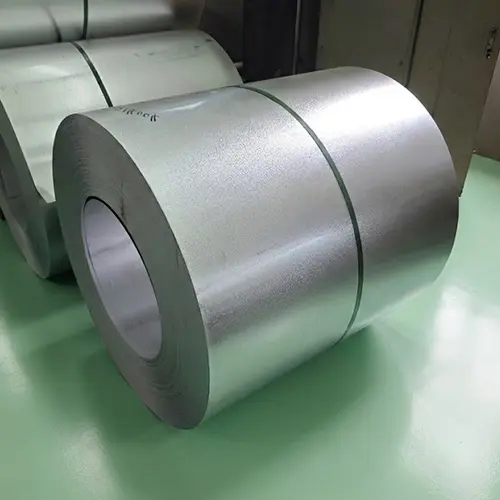
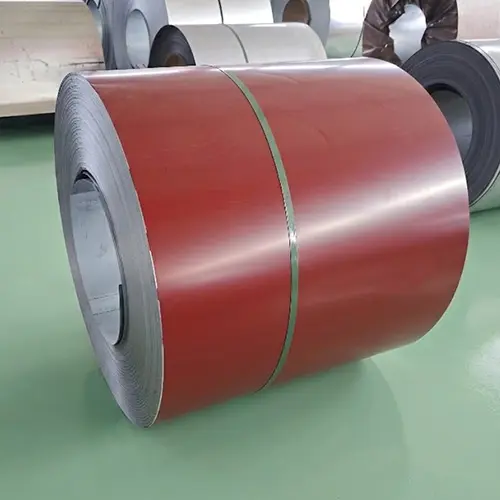
You can extend the life of your roofing sheets by choosing coils with high-quality coatings. Coatings protect the metal from rust, UV rays, and harsh weather. Common coatings for roofing include galvanized, galvalume, and color-coated finishes.
When you select coated coils, check the thickness and uniformity of the coating. Thin or uneven coatings can wear off quickly and lead to early failure of your roofing sheets. Ask your supplier for details about the coating process and quality checks.
Note: Investing in better coatings may cost more at first, but you save money in the long run. Your roofing sheets will last longer and need fewer repairs.
By focusing on quality coils, proper storage, and strong coatings, you set up your roofing production for success. These steps help you reduce waste, save money, and deliver better roofing products to your customers.
Machine Adjustment and Maintenance
Machine Calibration Procedures
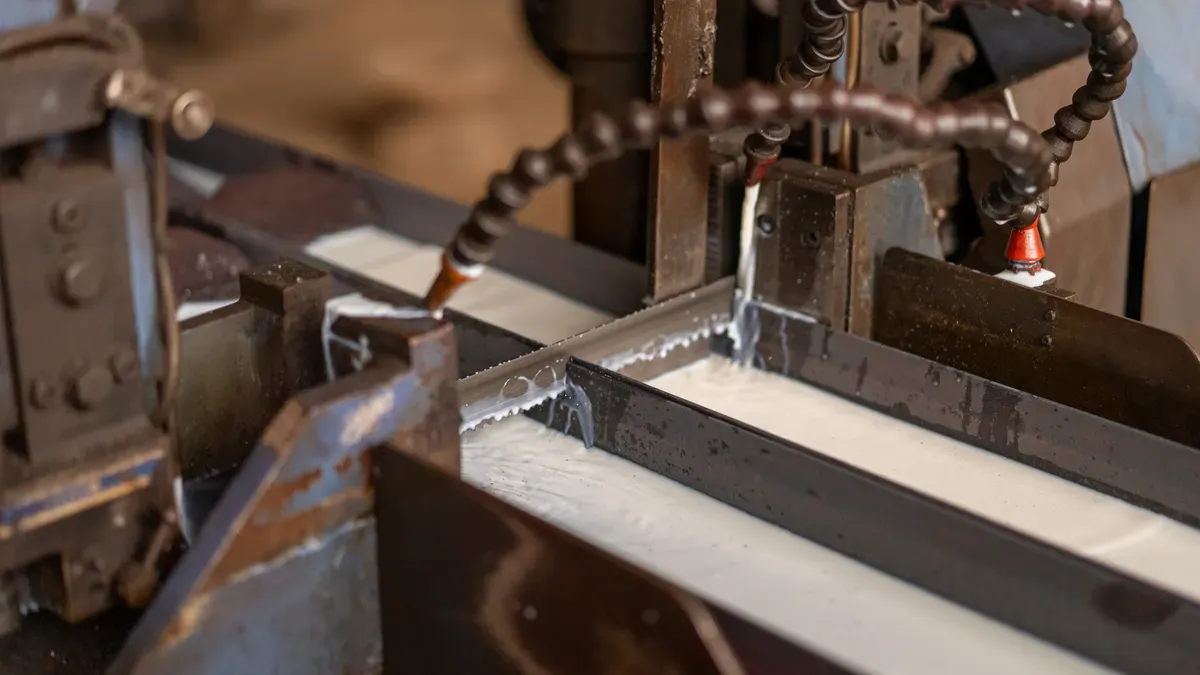
You need to calibrate your machines regularly to keep your roofing sheet production efficient. Calibration ensures that each machine cuts, shapes, and forms coils with precision. If you skip calibration, you risk producing off-spec sheets and increasing coil waste. Start by checking the alignment of blades and rollers. Use measurement tools to verify that the machines follow the correct settings. Adjust the controls until you achieve the desired thickness and width for each sheet.
You can follow these steps to improve your calibration process:
- Inspect machine parts for wear or damage.
- Measure output dimensions and compare them to specifications.
- Adjust settings to correct any deviations.
- Record calibration results for future reference.
Tip: Schedule calibration checks at the start of each shift. This habit helps you catch errors early and keeps your process consistent.
Preventive Maintenance Routines
You must set up preventive maintenance routines to reduce coil waste incidents. Maintenance keeps your machines running smoothly and prevents unexpected breakdowns. Well-maintained systems operate up to 25% more efficiently, which lowers your energy costs and improves your process. You can use a framework that covers inspection, cleaning, calibration, lubrication, and documentation. Each pillar plays a role in keeping your machines reliable.
Here is a table that shows key takeaways for preventive maintenance:
| Key Takeaway | Description |
|---|---|
| Energy savings start with maintenance | Well-maintained HVAC systems operate up to 25% more efficiently than neglected units, directly reducing utility costs. |
| Structure your PM with a framework | The 5-Pillar HVAC PM Framework covers Inspection, Cleaning, Calibration, Lubrication, and Documentation — each is essential. |
| CMMS eliminates missed tasks | Scheduling HVAC preventive maintenance through a CMMS ensures no service window is skipped and every task is tracked. |
You can use a computerized maintenance management system (CMMS) to schedule and track every task. This system helps you avoid missed service windows and keeps your process on track.
Stable Material Feeding Systems
Stable material feeding systems play a crucial role in minimizing coil waste during production. These systems maintain consistent tension and speed, which are critical for proper coil formation. You need accurate material tracking to prevent defects such as cobbles and off-grade products. When you keep the feeding stable, you reduce jams and misaligned cuts. This step helps you use more of each coil and lowers waste.
You can improve your feeding process by:
- Installing sensors to monitor tension and speed.
- Using automated feeders for steady material flow.
- Checking for blockages or uneven feeding before each run.
Note: Stable feeding systems support a smoother process and help you achieve higher quality roofing sheets.
You can see that machine adjustment and maintenance form the foundation of an efficient process. When you calibrate machines, follow preventive maintenance routines, and keep material feeding stable, you reduce coil waste and improve your roofing sheet production.
Operator Training and Best Practices
Training Programs for Staff
You need to invest in training programs for your staff to reduce coil waste. Well-trained operators understand each step of the roofing sheet production process. You can organize hands-on workshops where your team learns how to set up machines, handle coils, and spot early signs of trouble. You should also provide refresher courses every few months. These sessions help your staff stay updated on new equipment and process improvements.
A good training program covers:
- Safe coil handling techniques
- Machine calibration basics
- Quality checks during the process
- Emergency procedures
Tip: Use visual aids and real-life examples during training. These tools make the process easier to understand.
Reducing Human Error
You can lower coil waste by focusing on ways to reduce human error. Most mistakes happen when operators skip steps or rush through the process. You should encourage your team to follow a checklist before starting each shift. This checklist can include machine inspection, coil quality checks, and process setup.
Here is a simple checklist you can use:
| Task | Completed (✔/✘) |
|---|---|
| Machine calibration | |
| Coil inspection | |
| Safety gear check | |
| Process setup verification |
You should also create a culture where staff feel comfortable reporting mistakes. When you address errors quickly, you prevent them from affecting the entire process.
Standard Operating Procedures
You need clear standard operating procedures for every step in your production process. These procedures give your team a reliable guide to follow. Write each procedure in simple language. Use step-by-step instructions and include diagrams if possible. Place these guides near each workstation so operators can check them during the process.
You should review and update your procedures regularly. Ask your team for feedback. They can help you spot gaps or unclear steps in the process. When you keep your procedures current, you make the process safer and more efficient.
Note: Standard operating procedures help you train new staff faster and reduce coil waste from day one.
By focusing on training, reducing human error, and using clear procedures, you improve your process and lower coil waste. These best practices support a safer, more efficient workplace.
Automation and Process Control
Automated Processing Benefits
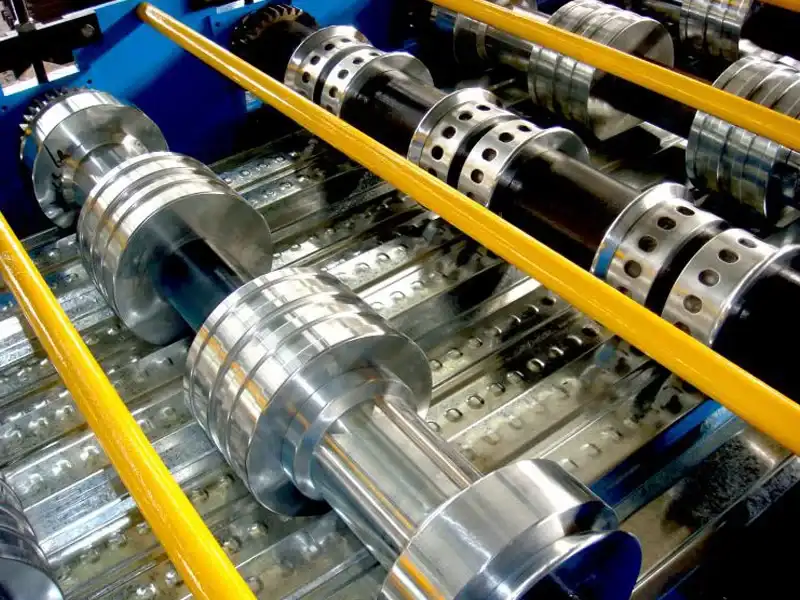
You can improve your roofing sheet production by using automated systems. Automation helps you reduce coil waste because machines follow the same steps every time. This consistency means you get fewer mistakes and less scrap. When you use automation, you speed up your process and make it easier to track each step. You also lower your labor costs because machines handle many tasks.
Automation brings more innovation to your factory. You can add new features or upgrade your machines as technology changes. This flexibility lets you stay ahead of your competitors. Many companies use automation to boost quality and cut down on waste. You can see the benefits in your daily process and in your bottom line.
Tip: Start with one automated system and expand as you see results. This approach helps you manage costs and learn the new process step by step.
Computerized Controls
You can use computerized controls to manage your machines with greater accuracy. These controls let you set exact measurements for cutting and shaping coils. When you use computerized controls, you reduce the chance of human error. You also make your process more reliable.
Computerized controls support innovation in your production line. You can update software or add new sensors as technology improves. This means your process stays current and efficient. Many factories use computerized controls to collect data. You can use this data to find problems and fix them before they cause waste.
Here is a quick list of what computerized controls can do for you:
- Set precise cutting lengths and widths
- Monitor machine performance in real time
- Adjust settings quickly for different coil types
- Store process data for future analysis
Real-Time Monitoring
You can use real-time monitoring to watch your process as it happens. Sensors and cameras track every step. If something goes wrong, you get an alert right away. This quick feedback helps you stop problems before they create waste.
Real-time monitoring supports innovation by giving you more control over your process. You can spot trends and make changes fast. Many companies use this technology to improve quality and reduce downtime. You can also share data with your team so everyone knows how the process is running.
A simple table shows how real-time monitoring helps:
| Feature | Benefit for You |
|---|---|
| Instant alerts | Fix issues quickly |
| Data collection | Improve your process |
| Trend analysis | Support innovation |
You can see that automation, computerized controls, and real-time monitoring work together. They help you create a better process, use less material, and drive innovation in your roofing sheet production.
Quality Checks and Waste Tracking
In-Process Quality Control
You need to check quality during every step of roofing sheet production. In-process quality control helps you catch problems early. This approach saves you time and reduces coil waste. One of the most effective methods uses in-line color measurement technology. This system monitors and controls color as you produce each sheet. You get real-time feedback, so you can make quick adjustments.
Here are some benefits of in-line color measurement:
- You monitor color continuously, not just at the end.
- The system gives you instant feedback for immediate corrections.
- You keep color consistent across the whole coil.
- Early detection of color issues means less off-spec material.
- You do not need to stop for frequent manual checks.
Tip: Use in-line color measurement to reduce waste and improve product quality.
You should also check for other defects like dents, scratches, or uneven edges. Train your team to spot these issues as soon as they appear. Early action prevents waste from building up.
Post-Production Evaluation
After you finish a production run, you need to evaluate the final roofing sheets. This step helps you confirm that your products meet quality standards. You should inspect the sheets for uniform thickness, correct dimensions, and proper coating. Use measuring tools to check length and width. Look for any surface flaws or color mismatches.
A simple table can help you organize your checks:
| Quality Check | Pass/Fail | Notes |
|---|---|---|
| Thickness | ||
| Color Consistency | ||
| Surface Condition | ||
| Coating Uniformity |
If you find defects, separate those sheets for recycling or rework. This process keeps only high-quality products going to your customers.
Note: Post-production checks help you maintain your reputation for quality.
Tracking and Analyzing Waste
You need to track coil waste to understand where losses happen. Keep records of how much material you start with and how much becomes scrap. Use simple charts or software to log waste by type, such as trimmed edges, damaged sections, or off-spec sheets.
You can analyze this data to spot trends. For example, if you see more waste during certain shifts, you can review operator practices. If one machine creates more scrap, you can schedule maintenance or recalibration.
Here are steps you can follow:
- Record waste after each production run.
- Sort waste by cause or type.
- Review data weekly with your team.
- Set goals to reduce waste each month.
Tracking waste helps you find problems and improve your process over time.
By focusing on quality checks and waste tracking, you make your roofing sheet production more efficient and sustainable. You save money and deliver better products to your customers.
How to Reduce Coil Waste During Roofing Sheet Production
Practical Tips for Immediate Results
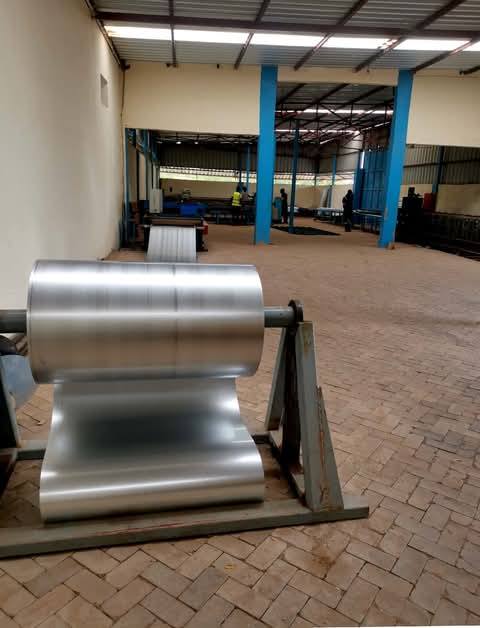
You can take several steps right now to see less coil waste in your metal roofing production. Start by checking your machines before each shift. Make sure every setting matches the coil you plan to use. Train your team to spot problems early. Give them a checklist for each stage of the process. Use high-quality coils and store them in a dry, clean place. This keeps your material in top shape and ready for use.
You should also keep your feeding system stable. Sensors and automated feeders help you avoid jams and misaligned cuts. Set up regular maintenance for all machines. Clean filters and check pump suction pressure to keep dirt out of your system. These actions help you avoid contamination and keep your process smooth.
Tip: Review your standard operating procedures with your team every month. Update them when you find better ways to reduce coil waste.
Here is a quick table to help you remember the most effective actions:
| Action | Result |
|---|---|
| Machine checks | Fewer off-spec sheets |
| Staff training | Fewer operator mistakes |
| Quality coils | Less material waste |
| Stable feeding | Fewer jams and miscuts |
| Regular maintenance | Longer machine life |
You can use these steps to improve your process and support sustainability in your metal roofing business.
Common Mistakes to Avoid
You may see more coil waste if you make certain mistakes during metal roofing production. Learn how to reduce coil waste during roofing sheet production by avoiding these common errors:
- Contamination: You must clean filters often and check pump suction pressure. Dirt in your system can damage coils and create more scraps.
- Thermal Cracking: Watch your safety devices and keep proper flow in your machines. Overheating can break down fluids and lead to more waste.
- Inadequate Maintenance: Test your thermal fluids on a routine schedule. Follow all recommendations and never try to stretch the life of old or degraded fluid.
You should also avoid skipping machine calibration. If you do not check your settings, you may cut coils the wrong way. Do not rush through coil handling. Dropping or dragging coils can cause dents and scratches. Always use the right tools and move coils with care.
Note: You can lower your costs and improve sustainability by fixing these mistakes before they become bigger problems.
Recycling and Reusing Scrap
You can boost sustainability and save money by focusing on recycling and reuse in your metal roofing production. Collect all scraps from the cutting and shaping process. Sort them by type and size. You can send clean metal scraps to a recycling center. Many centers pay for quality metal, which helps you recover some costs.
You can also reuse some scraps in your own factory. Use larger pieces for smaller parts or sample sheets. Train your team to spot reusable material before throwing anything away. Set up bins for different types of scrap. Label each bin so everyone knows where to put each piece.
Here are some ways you can practice recycling and reuse:
- Melt down clean scraps and form new coils.
- Use leftover pieces for training or testing.
- Partner with local recyclers for regular pickups.
Callout: Recycling and reuse help you reach your sustainability goals and keep your metal roofing business competitive.
You should track how much scrap you recycle or reuse each month. Set goals to improve your recycling rate. Share your progress with your team. This keeps everyone focused on how to reduce coil waste during roofing sheet production and supports a culture of sustainability.
By following these steps, you can see real results in your metal roofing process. You will use more of each coil, create less waste, and build a stronger reputation for sustainability.
You can reduce coil waste by training your team, maintaining machines, and using quality materials. These steps help you save money and boost efficiency. Keep checking your process and look for ways to improve. When you cut coil waste, you support your business and the planet.
- You conserve natural resources.
- You use less energy and lower carbon emissions.
- You reduce your ecological footprint.
- You keep waste out of landfills.
Start today and make a lasting impact.
FAQ
What is the best way to start reducing coil waste?
You should begin by checking your machines and training your team. Use a checklist for each shift. Focus on quality coils and proper storage. These steps help you see quick results.
How often should I calibrate my machines?
You should calibrate machines at the start of every shift. Regular calibration keeps your cuts accurate and reduces waste. Always record your results for future reference.
Can automation really lower coil waste?
Yes, automation helps you keep every step consistent. Machines follow set instructions, which means fewer mistakes and less scrap. You also save time and labor costs.
Why does coil storage matter?
Proper storage keeps coils dry and clean. Moisture or dirt can damage coils and cause more waste. Store coils indoors and off the ground to protect your material.
What should I do with leftover scrap?
You can recycle clean metal scraps or reuse larger pieces for training or small parts. Set up labeled bins for sorting. Track your recycling rate to support sustainability.
How does operator training reduce waste?
Training teaches your team to spot problems early and follow best practices. Well-trained staff make fewer mistakes, which means you use more of each coil and save money.
What are common signs of machine problems?
Watch for uneven cuts, jams, or strange noises. These signs mean your machine may need maintenance or calibration. Fix issues quickly to avoid extra waste.
How can I track coil waste in my factory?
Keep records of material used and scrap produced. Use a simple table or software to log waste by type. Review this data weekly to find ways to improve your process.