

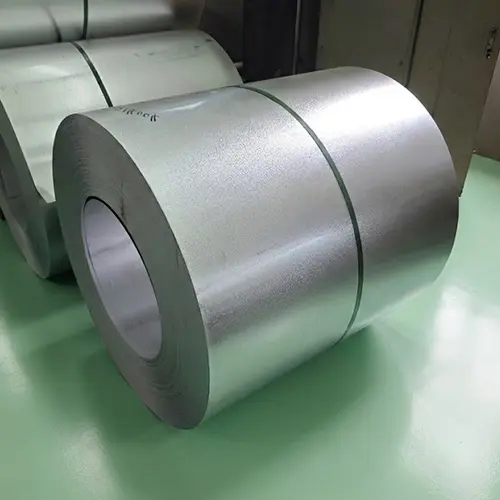
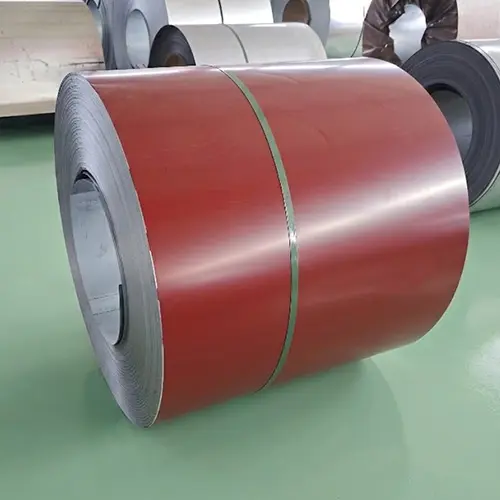

You need to evaluate steel coil suppliers before you place any order. Skipping this step can lead to serious problems. Many companies face costly setbacks when they do not focus on assurance. You can avoid these issues by following a structured process for How to Evaluate a Steel Coil Supplier Before Placing Orders.

Common risks of poor evaluation include:
- 70% of steel failures happen because companies skip proper quality testing, which shows the importance of assurance.
- Certified suppliers have 30% fewer production disruptions, proving that supplier assurance matters.
Use assurance as your guide. This approach helps you choose reliable partners and protects your business.
Key Takeaways
- Understand your steel coil needs before sourcing. Define specifications like grades, thickness, and coating to ensure you get the right product.
- Research supplier backgrounds thoroughly. Look for experience, certifications, and customer reviews to gauge reliability.
- Request mill certificates to verify quality. These documents provide essential details about the steel’s properties and compliance with standards.
- Ask for samples or trial orders before large purchases. Testing samples helps confirm quality and compatibility with your production process.
- Evaluate pricing and services beyond the headline cost. Analyze quotations for material, processing, and logistics to avoid hidden fees.
- Check supplier reliability through reviews and references. Reliable suppliers respond quickly and maintain consistent quality.
- Ensure strong logistics and delivery capabilities. Confirm lead times and packing methods to protect your coils during transit.
- Build long-term partnerships with suppliers. Open communication and flexibility help you adapt to changing business needs.
Know Your Steel Coil Needs
Before you start sourcing steel coil, you must understand your requirements. This step helps you communicate clearly with steel coil suppliers and ensures you receive the right product for your application.
Define Specifications
You need to identify key specifications for your steel coil order. These details affect performance, durability, and suitability for your project.
Grades, Thickness, and Coating
- Grades determine the mechanical properties and corrosion resistance of the steel. You should select a grade that matches your intended use.
- Thickness impacts strength and flexibility. Manufacturers often require precision steel strips in gauges from 8.00mm to 0.05mm. Tight tolerances on dimensions and mechanical characteristics are essential.
- Coating thickness protects the steel from rust and environmental damage. Evaluate coating weight and type based on your application. For GI steel coils, thickness, tensile strength, and corrosion resistance play a vital role in meeting demands.
Tip: Understanding different grades and specifications helps you avoid costly mistakes. You can also consider sustainability aspects, such as eco-friendly solutions and responsible sourcing steel coil practices.
Coil Types and Packing
Steel coil comes in several types. Each type suits specific applications. Packing methods protect the coil during transport and storage.
| Type of Steel Coil | Applications |
|---|---|
| Hot-rolled steel coil | Construction, automotive, mechanical applications |
| Hot-rolled stainless-steel coil | Environments needing high corrosion resistance |
| Hot-rolled alloy steel coil | Projects requiring durability and robustness |
| Cold rolled Galvanzied Steel coil | Automotive body parts, high-end machinery, precision and aesthetic appearance |
You should choose the coil type that fits your project. Packing protection ensures the steel arrives in good condition.
Set Order Volume and Frequency
You must decide how much steel coil you need and how often you will place orders. This information helps steel coil suppliers plan production and delivery. It also affects pricing and lead times.
- Estimate your monthly or quarterly requirements.
- Consider future growth or changes in demand.
- Communicate your order volume and frequency when sourcing steel coil.
Note: Advances in manufacturing technology now reduce the carbon footprint. Responsible sourcing steel coil practices support sustainability goals.
Identifying your key specifications and order needs gives you a strong foundation. You can use this information to compare steel coil suppliers and make informed decisions.
How to Evaluate a Steel Coil Supplier Before Placing Orders
When you want to know how to evaluate a steel coil supplier before placing orders, you need a clear process. This step-by-step approach helps you avoid costly mistakes and ensures you get the right product for your needs. You should always start with research and documentation before you move forward with sourcing steel coil.
Research Supplier Background
Begin by learning about the supplier’s history and reputation. You want to work with companies that have a proven track record. Look for suppliers who have experience in your industry and understand your requirements. Check if they have supplied to similar projects or clients. Reliable suppliers often share case studies or references. You can also read online reviews and ratings to see what other customers say.
Tip: Ask for references from past clients. This gives you insight into the supplier’s reliability and service quality.
You should also check if the supplier holds any industry certifications. Certifications like ISO show that the supplier follows strict quality standards. This step is a key part of how to evaluate a steel coil supplier before placing orders.
Check Export Capability
If you plan to import steel coils, you must confirm the supplier’s export capability. Not every supplier can handle international shipments. You need to make sure they can provide the right documents and follow export regulations. This protects you from delays and legal issues.
Here are the main documents you should request to verify export capability:
- Commercial Invoice (with HS codes)
- Packing List (coil details, weights, dimensions)
- Bill of Lading (Original, Telex Release, or Sea Waybill)
- Mill Test Certificate (Necessary Documents)
These documents prove that the supplier can ship steel coils safely and legally. They also help you track your order and confirm product quality.
When you think about how to evaluate a steel coil supplier before placing orders, you should also focus on communication. Clear and open communication helps you avoid misunderstandings. Make sure the supplier responds quickly to your questions and provides all the information you need.
To sum up, follow these steps when you want to know how to evaluate a steel coil supplier before placing orders:
- Assess the specific needs of your project, including dimensions, thickness, and finish required.
- Prioritize quality and compliance with industry standards by researching supplier certifications and inspecting samples.
- Maintain clear communication with suppliers to clarify needs and expectations.
By following these steps, you can make informed decisions and reduce risks when sourcing steel coil. Remember, knowing how to evaluate a steel coil supplier before placing orders gives you confidence and helps you build strong business relationships.
Quality Assurance and Mill Certificates

Quality assurance plays a vital role when you select steel coil suppliers. You need to check mill certificates and verify quality standards and certifications in steel coil. These steps help you confirm the steel’s reliability and its impact on performance.
Review Mill Certificate Values
Mill certificates give you detailed information about each steel coil. You should always ask for these documents before you place an order. Mill certificates show the steel’s grade, chemical composition, and mechanical properties. These values affect the impact on performance and durability.
Here is what you will find in a typical mill certificate:
| Component | Description |
|---|---|
| Steel grade and standard | Specifies the grade and standard of the steel material. |
| Chemical composition | Details the chemical makeup of the steel, including percentages of elements. |
| Mechanical properties | Includes information on tensile strength, yield strength, and elongation. |
| Heat or batch number | Identifies the specific batch of steel for traceability. |
| Traceability details | Provides information on the origin and processing of the steel. |
Yield, Tensile, Elongation, Coating Weight
You must check the mechanical properties listed in the mill certificate. Yield strength shows how much force the steel can handle before it bends. Tensile strength measures the maximum force before the steel breaks. Elongation tells you how much the steel can stretch without snapping. Coating weight protects the steel from rust and environmental damage. These values have a direct impact on performance in your application.
Tip: Always compare mill certificate values with your project requirements. This step ensures the steel coil meets your quality assurance standards.
Verify Quality Standards
Quality standards and certifications in steel coil help you confirm the supplier’s commitment to quality assurance. You should look for suppliers who follow international quality standards and hold certifications and quality assurance documents.
ISO and Industry Certifications
Many steel coil suppliers hold certifications in steel coil such as ISO 9001, ISO 14001, and ISO 45001. ISO 9001 focuses on quality management systems. ISO 14001 covers environmental management. ISO 45001 ensures safe working conditions. Suppliers also comply with REACH and RoHS regulations for hazardous materials.
| Standard | Description |
|---|---|
| ISO 9001 | Quality management systems, ensuring consistent quality in products and services. |
| ISO 14001 | Environmental management systems, focusing on reducing environmental impact. |
| ISO 45001 | Occupational health and safety management systems, promoting safe working conditions. |
| REACH | Regulation concerning the Registration, Evaluation, Authorisation and Restriction of Chemicals. |
| RoHS | Restriction of Hazardous Substances in electrical and electronic equipment. |
You should always ask for proof of certifications and quality assurance. These documents show that the supplier follows strict quality standards and certifications in steel coil. They also help you avoid risks and ensure the steel coil’s impact on performance.
Note: Quality assurance measures include pre-process inspection, in-process monitoring, final verification, and documentation. These steps help you maintain high standards and protect your business.
You can trust suppliers who provide clear mill certificates and hold recognized certifications and quality assurance documents. This approach helps you achieve consistent quality standards and certifications in steel coil and ensures the steel’s impact on performance meets your needs.
Product Quality Checks
You need to check the quality of steel coils before you place a large order. This step helps you avoid problems with performance and appearance. Careful checks give you confidence in your supplier and protect your business from costly mistakes.
Request Samples or Trials
You should always ask for samples or trial orders before making a big purchase. Samples let you see and feel the steel coil for yourself. You can test the material in your own process. This step helps you confirm that the steel meets your needs.
- Request a small batch of steel coils that match your specifications.
- Test the sample for thickness, coating, and surface finish.
- Check if the coil works well with your machines and tools.
Tip: If a supplier refuses to provide samples, you should see this as a warning sign. Reliable suppliers want you to trust their products.
Trial orders also help you judge the supplier’s delivery speed and packaging quality. You can see how the coils arrive and if they match your order details. This process supports strong quality control from the start.
Inspect Consistency and Surface Quality
You must inspect the steel coil for consistency and surface quality. These checks show if the coil will perform well in your application. Look for even thickness, smooth surfaces, and proper coating.
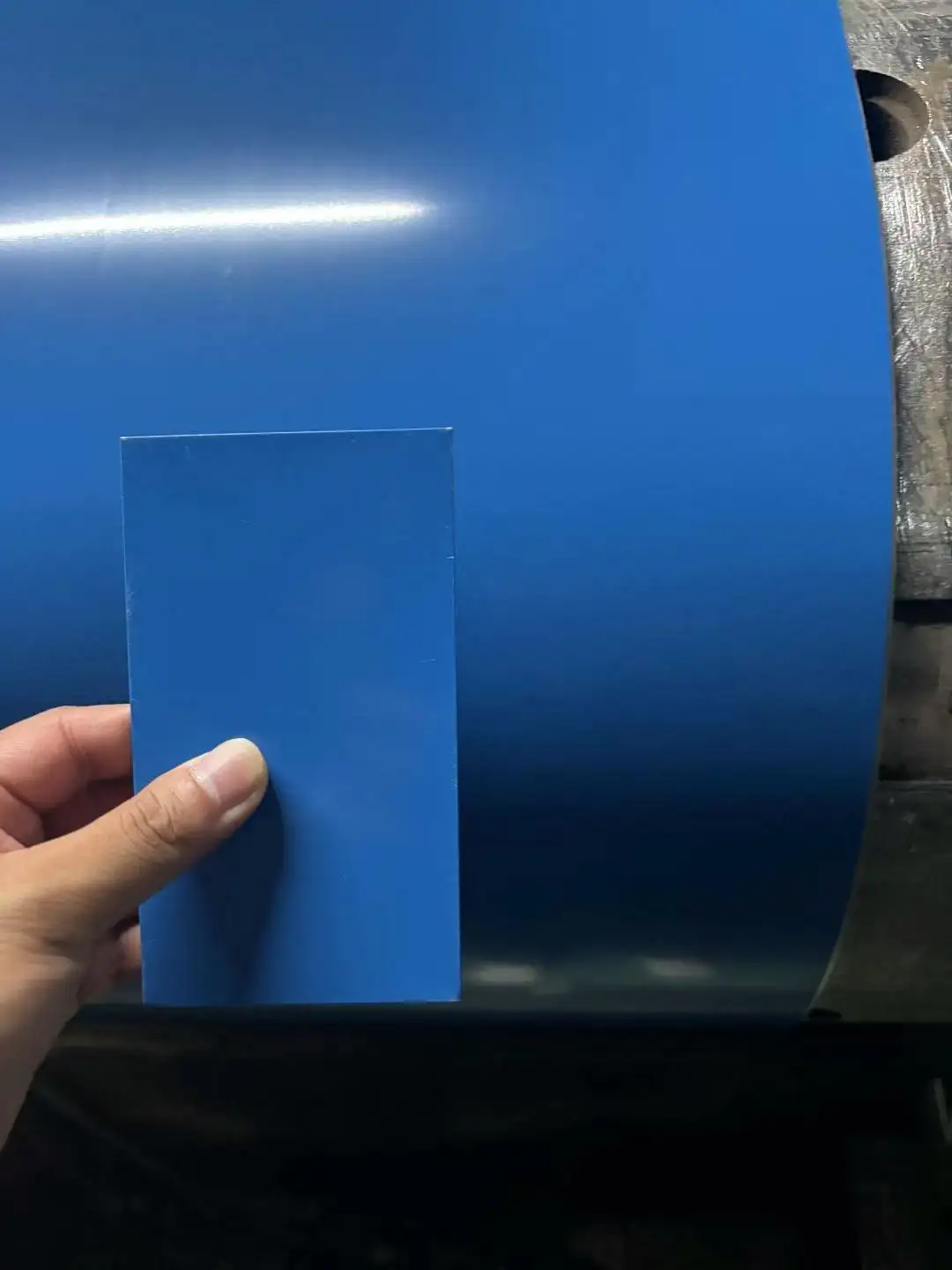
Many suppliers use advanced tools to measure these features. Here are some common methods:
| Method Description | Key Features |
|---|---|
| Coating Thickness Measurement | Non-contact optical technologies for real-time data collection. |
| Quality Assurance Processes | Immediate feedback on coating quality, enhancing process control. |
| Fixed and Scanning Systems | Options for simultaneous top and bottom coating measurements. |
You can ask your supplier about their inspection methods. Modern systems give fast and accurate results. These tools help you spot problems early and keep your production running smoothly.
When you check the surface, look for scratches, dents, or uneven color. These flaws can affect how the steel works in your project. You should also compare several coils from the same batch. This step shows if the supplier can keep quality steady over time.
Note: Careful inspection and testing help you avoid surprises after delivery. You can build trust with suppliers who support open and honest quality checks.
By following these steps, you make sure your steel coils meet your standards. You also show your commitment to quality control in every order.
Compare Steel Coil Suppliers on Pricing and Services
When you compare steel coil suppliers, you need to look beyond the headline price. You should examine the full quotation and understand what each cost covers. This approach helps you make informed decisions and avoid hidden charges.
Analyze Quotations and Cost Breakdown
You receive quotations from different suppliers. Each quotation includes several cost components. Material costs often make up the largest share, ranging from 30% to 60% of the total price. Processing costs vary depending on the services you request. Logistics costs become critical, especially for international shipments.
| Cost Type | Percentage Contribution |
|---|---|
| Material Costs | 30-60% |
| Processing Costs | Variable (depends on services) |
| Logistics Costs | Critical for international shipments |
You should ask suppliers to break down their quotations. This breakdown lets you see where your money goes. You can compare material costs, processing fees, and logistics charges. You also need to consider factors that influence pricing, such as raw material costs, energy prices, and global demand. Freight and shipping costs change based on distance and logistics. Geopolitical conditions and trade agreements can affect prices. Production capacity and export volumes from major producers also play a role.
| Pricing Factors | Description |
|---|---|
| Raw material costs | Prices are influenced by the costs of iron ore and scrap. |
| Energy prices | Fluctuations in gas and electricity prices affect production costs. |
| Global demand and supply | Changes in demand and supply dynamics globally impact pricing. |
| Freight and shipping costs | Transportation costs can vary significantly based on distance and logistics. |
| Geopolitical and trade conditions | Political factors and trade agreements can lead to price changes. |
| Production capacity of mills | The ability of mills to produce steel affects availability and pricing. |
| Construction and infrastructure demand | Increased demand in these sectors can drive prices up. |
| Export volumes from major producers | High export volumes can lead to price fluctuations in the market. |
| Additional processing for CRC | Cold rolled steel prices are higher due to extra processing steps. |
| Zinc price for galvanized steel | The cost of zinc significantly impacts the pricing of galvanized steel. |
| Location-based pricing | Prices vary based on the origin and destination of the steel, influenced by local market conditions. |
You gain leverage when negotiating pricing and terms if you understand these factors. You can ask for adjustments or request alternative solutions based on your needs.
Evaluate Processing Services
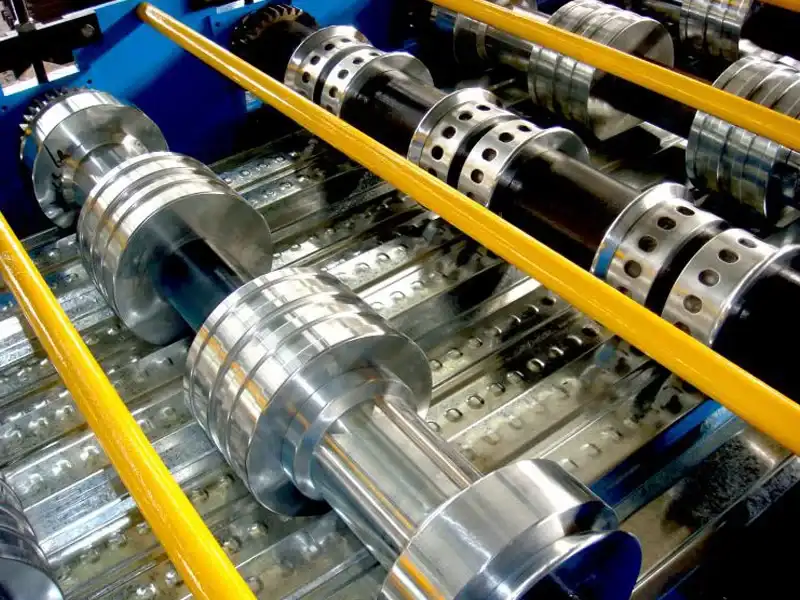
You need to check what processing services each supplier offers. These services add value and can improve your production efficiency. Common services include slitting, cut-to-length, levelling, and edge trimming. Some suppliers provide refurbishment services and technical support.
| Equipment/Service Type | Description |
|---|---|
| Slitters | Equipment for cutting coils into narrower strips. |
| Cut-To-Length Shears | Machines that cut coils to specified lengths. |
| Levellers | Equipment that flattens coils for better processing. |
| Edge-Trimmers | Machines that trim the edges of coils for precision. |
| Refurbishment Services | Updating and repairing older machinery to meet current standards. |
| Technical Support | Assistance provided to customers for equipment operation and maintenance. |
You may also find value-added services such as profiling, decoiling, and coil slitting. These options help you customize your order and reduce waste. You should ask suppliers about their equipment and support capabilities. Reliable steel coil suppliers offer flexible solutions and help you optimize your process.
- Profiling
- Decoiling
- Coil Slitting
You improve your position when negotiating pricing and terms by understanding the available services. You can request bundled packages or tailor services to fit your requirements.
Tip: Always compare both pricing and service offerings. This approach ensures you get the best value and performance for your investment.
Supplier Reliability and Customer Feedback
When you choose a steel coil supplier, you need to focus on supplier reliability. This step helps you avoid delays, poor quality, and unexpected costs. You can use customer feedback and industry insights to judge if a supplier will meet your needs.
Check Reviews and Ratings
Start by looking at online reviews and ratings. Many buyers share their experiences on business directories, trade platforms, and industry forums. These reviews give you a clear picture of supplier reliability. You can spot patterns in feedback, such as late deliveries or quality issues. High ratings often mean the supplier values reliability and customer satisfaction.
Tip: Look for reviews that mention how the supplier handles problems. Quick solutions and honest communication show strong reliability.
You can also check if the supplier has won any awards or recognition. These honors often reflect a commitment to quality and reliability.
Seek References and Industry Recommendations
Ask the supplier for references from other customers. Reliable suppliers will share contact details of past clients. You can call or email these references to ask about their experience. Prepare a few questions, such as:
- Did the supplier deliver on time?
- Was the product quality consistent?
- How did the supplier handle complaints?
Industry recommendations also help you judge supplier reliability. Trade associations and business partners often know which suppliers have a good reputation. You can join industry groups or attend trade shows to gather more information.
| What to Ask References | Why It Matters |
|---|---|
| Delivery performance | Shows if the supplier meets deadlines |
| Product consistency | Confirms steady quality |
| Problem resolution | Tests the supplier’s reliability |
Assess Supplier Flexibility
Supplier flexibility is another key part of supplier reliability. You need a partner who can adjust to changes in your order size, delivery schedule, or product specifications. Ask the supplier how they handle urgent requests or last-minute changes. Flexible suppliers can help you avoid production delays and keep your business running smoothly.
You can test flexibility by starting with a small order or a trial project. Watch how the supplier responds if you need to change your requirements. A reliable supplier will work with you to find solutions, not excuses.
Note: Supplier reliability is not just about delivering on time. It also means adapting to your needs and supporting your business as it grows.
By checking reviews, seeking references, and testing flexibility, you can build a clear picture of supplier reliability. This process helps you choose partners who support your goals and protect your reputation.
Logistics and Delivery Capabilities

A reliable steel coil supplier must offer strong logistics and delivery capabilities. You need to know your steel coils will arrive on time and in perfect condition. This helps you keep your production running smoothly and supports a streamlined order and delivery process.
Lead Times and On-Time Delivery
You should always ask suppliers about their typical lead times. Lead time means the period from when you place your order to when you receive your steel coils. Lead times can change based on market demand, production schedules, and shipping routes.
- In early August 2020, lead times for hot-rolled coil products were below four weeks.
- By early March 2021, lead times increased to over nine weeks.
You need to plan your orders with these changes in mind. Ask your supplier for updates on current lead times and check if they have a record of on-time delivery. Reliable suppliers will share their delivery performance and help you avoid production delays. A streamlined order and delivery process depends on clear communication and accurate scheduling.
Tip: Always confirm delivery dates in writing. This helps you track your order and manage your inventory.
Packing Protection and Handling
Proper packing and handling protect your steel coils from damage during transit. You should look for suppliers who follow best practices to keep your products safe.
Some important packing and handling methods include:
- Using VCI (Volatile Corrosion Inhibitor) paper or film to prevent rust, especially during long-distance or humid shipments.
- Applying stretch wrapping to shield coils from moisture and dust.
- Securing coils with steel strapping to maintain their shape and prevent shifting.
- Placing coils on wooden pallets or skids to keep them off the ground and away from condensation.
- Loading coils either “eye to sky” or “eye to wall” depending on the coil size and container type.
- Using strong lashing, such as chains or heavy-duty straps, to stop movement during transport.
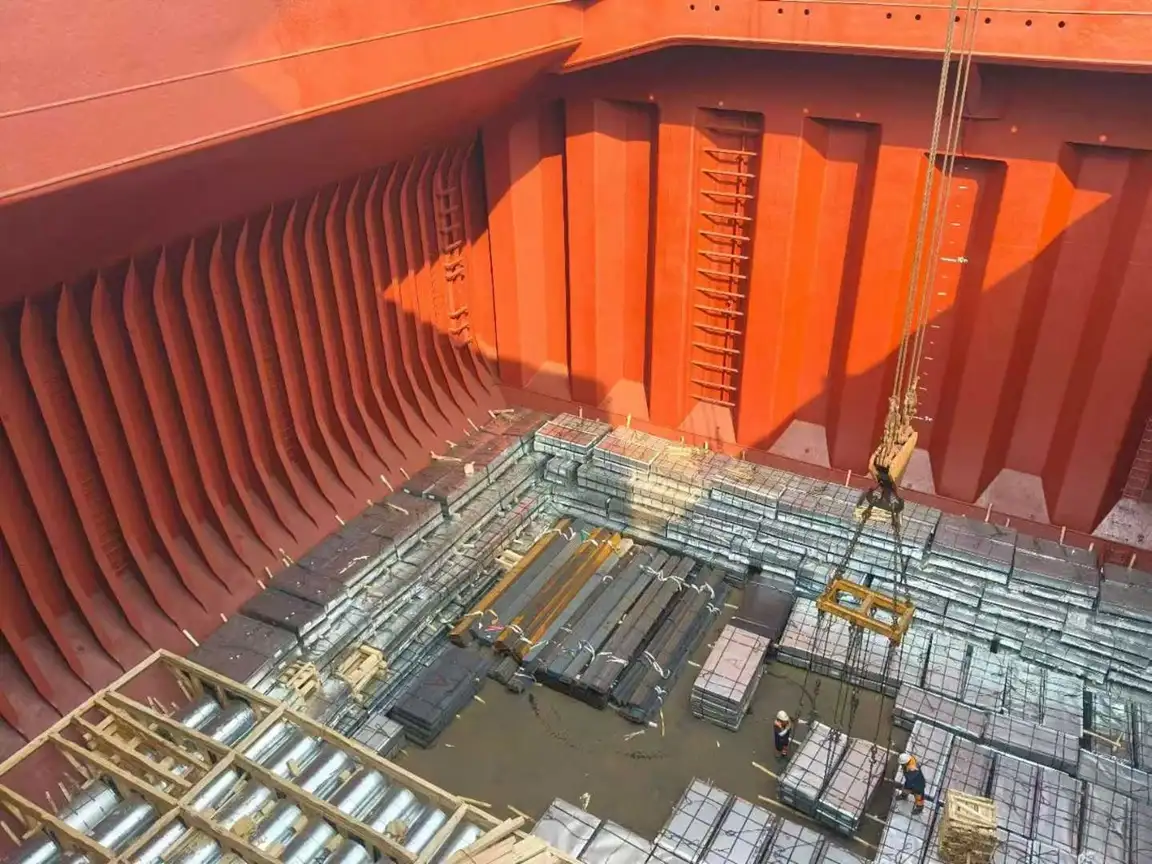
You should also check if your supplier uses specialized cranes and coil hooks for safe loading. Good suppliers plan stowage patterns to keep the vessel stable and prevent coils from shifting. Wooden dunnage separates coils and stops metal-to-metal contact. Regular inspections during loading and transit help catch problems early.
Note: Safety measures like personal protective equipment, clear communication, and emergency procedures protect both workers and cargo. These steps are part of a streamlined order and delivery process.
When you choose a supplier with strong logistics and careful packing, you reduce the risk of delays and damage. This gives you peace of mind and keeps your operations running smoothly.
Support and Communication
Strong support and clear communication set great steel coil suppliers apart from the rest. You need a supplier who answers your questions quickly and helps you solve problems. Good support keeps your projects on track and builds trust.
Responsiveness and Problem Solving
You should test how fast a supplier responds to your messages. Fast replies show that the supplier values your business. Slow answers can signal trouble. Try sending a few questions by email or phone. Track how long it takes to get a reply. Most reliable suppliers answer within 24 hours.
Tip: Ask a technical question about steel coil grades or packaging. See if the supplier gives a clear and helpful answer.
You also want a supplier who helps you solve problems. Mistakes can happen in any business. What matters is how the supplier handles them. Ask the supplier how they deal with issues like late shipments or damaged coils. A good supplier will explain their process for fixing problems and keeping you informed.
Here are signs of strong problem-solving skills:
- The supplier offers solutions, not excuses.
- They take responsibility for mistakes.
- They update you until the issue is fixed.
You can also check reviews for stories about how the supplier handled past problems. Positive feedback in this area shows you can trust the supplier when challenges arise.
Support Channels
You need to know how to reach your supplier when you have questions or need help. Good suppliers offer several support channels. These channels make it easy for you to get answers fast.
| Support Channel | Best Use Case | Response Speed |
|---|---|---|
| Detailed questions, documentation | Within 24 hours | |
| Phone | Urgent issues, quick clarifications | Immediate |
| Live Chat | Simple questions, fast support | Instant |
| Messaging Apps | Updates, sharing files | Fast |
| Customer Portal | Order tracking, document downloads | Varies |
You should ask your supplier which channels they use. Some suppliers have 24/7 support, while others only work during business hours. Make sure you know who to contact for urgent issues.
Note: Save the contact details for your main support person. This step helps you get help quickly if something goes wrong.
A supplier with strong support and clear communication helps you avoid delays and confusion. You can work with confidence, knowing help is always available.
Risk Management and Compliance
When you evaluate steel coil suppliers, you must pay attention to risk management and compliance. These steps protect your business from unexpected problems and legal issues. You can avoid costly mistakes by checking insurance, liability, and regulatory compliance before you place an order.
Insurance and Liability
You need to make sure your supplier has the right insurance coverage. Insurance protects you if something goes wrong during production, shipping, or delivery. If a shipment gets damaged or lost, insurance can cover the cost. Without proper coverage, you may have to pay for losses yourself.
Ask your supplier for proof of insurance. Look for these types of coverage:
- Product Liability Insurance: Covers damages caused by faulty steel coils.
- Cargo Insurance: Protects your goods during transport.
- General Liability Insurance: Covers accidents or injuries related to the supplier’s operations.
Tip: Always request a copy of the insurance certificate. Check the coverage limits and make sure they match your order value.
You should also discuss who is responsible if something goes wrong. Clear terms about liability help you avoid disputes. Ask your supplier to explain their policy on damaged or delayed shipments. Reliable suppliers will share this information and answer your questions.
Regulatory Compliance
You must check if your supplier follows all local and international regulations. Compliance ensures that the steel coils meet safety, environmental, and quality standards. Non-compliance can lead to fines, shipment delays, or even legal action.
Create a checklist to review compliance:
- Material Certifications: Make sure the steel meets industry standards like ASTM, EN, or JIS.
- Export and Import Licenses: Confirm that your supplier can legally ship steel coils to your country.
- Environmental Regulations: Ask if the supplier follows rules for waste management and pollution control.
- Customs Documentation: Check that all paperwork is accurate and complete.
| Compliance Area | What to Check |
|---|---|
| Material Standards | Certificates, test reports |
| Export/Import Licenses | Valid permits, legal documents |
| Environmental Policies | Recycling, emissions, certifications |
| Customs Documentation | Invoices, packing lists, HS codes |
Note: Suppliers who follow strict compliance rules show that they care about quality and safety. This protects your business and builds trust.
By focusing on risk management and compliance, you lower your chances of facing unexpected costs or legal trouble. You also show your customers that you take quality and safety seriously.
Building Long-Term Partnerships with Reliable Steel Coil Suppliers
Long-term partnerships with reliable steel coil suppliers give your business a strong foundation. When you build trust with your supplier, you gain more than just steady deliveries. You create a relationship that supports your growth and helps you handle challenges in the steel market.
Flexibility for Future Orders
You need flexibility as your business changes. Reliable steel coil suppliers can adjust to your new needs, whether you want to increase your order size or change your delivery schedule. This flexibility helps you respond to market shifts and customer demands without stress.
When you work with the same supplier over time, you enjoy several benefits:
- You receive consistent quality and on-time delivery. This trust means you do not need to inspect every shipment.
- Reliable delivery keeps your projects moving and protects your profits. You avoid paying workers to wait for late shipments.
- Open communication with your supplier lets you plan long-term projects. You do not worry about supply problems.
Tip: Share your future plans with your supplier. This helps them prepare for your needs and offer better solutions.
Collaboration and Contract Terms
Collaboration with your supplier leads to better results. You can solve problems faster and find new ways to improve your process. Good communication builds confidence and makes it easier to handle unexpected changes.
Strong contract terms help you maintain a healthy partnership. You should look for contracts that include:
- Clear performance goals and service levels. These help you measure how well your supplier meets your needs.
- The right to end the contract if the supplier does not follow important laws, such as environmental or labor rules.
- Rules that require the supplier to choose skilled and careful subcontractors. This keeps quality high throughout the supply chain.
- Approval rights for any new subcontractors. You stay in control of who works on your orders.
- Payment terms that make sure everyone in the supply chain gets paid on time. This keeps relationships strong.
- Requirements for transparency. You can see how your steel moves through the supply chain.
When you set these terms, you protect your business and encourage your supplier to keep improving. Reliable steel coil suppliers value clear contracts and open collaboration. They want to grow with you and support your success.
Note: Review your contracts often. Update them as your business grows or as new needs appear.
You protect your business when you follow a structured process for evaluating steel coil suppliers. These tips help you choose reliable partners and maintain high quality. You build trust and avoid costly mistakes.
Remember: Review your supplier checklist often. Update your criteria as your needs change. This habit keeps your supply chain strong and your projects on track.
FAQ
What documents should you request from a steel coil supplier?
You should ask for a mill certificate, packing list, commercial invoice, and bill of lading. These documents confirm product quality and help you track your shipment.
How can you check a supplier’s reliability?
Read customer reviews and ratings. Ask for references from previous clients. Reliable suppliers respond quickly and provide consistent quality.
Why do mill certificates matter?
Mill certificates show the steel’s grade, chemical composition, and mechanical properties. You can use these values to confirm the coil meets your project requirements.
What packing methods protect steel coils during shipping?
Suppliers use VCI paper, stretch wrapping, steel strapping, and wooden pallets. These methods prevent rust, moisture damage, and shifting during transport.
How do you compare steel coil prices from different suppliers?
Ask for a detailed cost breakdown. Compare material, processing, and logistics costs. Look for hidden fees and check if the quotation matches your order specifications.
What certifications should you look for in a steel coil supplier?
You should check for ISO 9001, ISO 14001, and ISO 45001 certifications. These standards show the supplier follows strict quality, environmental, and safety practices.
Can you request samples before placing a large order?
Yes, you can ask for samples or trial orders. Testing samples helps you confirm quality and compatibility with your production process.
What should you do if a shipment arrives damaged?
Contact your supplier immediately. Provide photos and documentation. Review the insurance policy and ask for compensation or replacement based on your contract terms.