

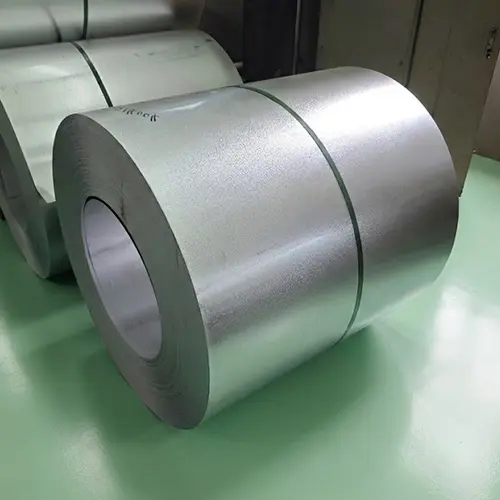
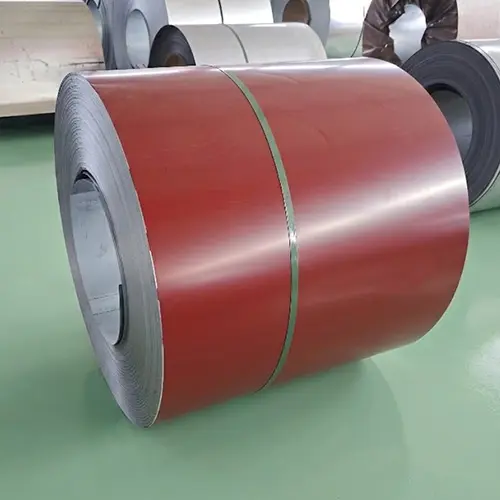

Picture this: you’re profiling a roofing sheet, and suddenly the paint cracks right along the bend line. The line stops. You lose time and material. How can you predict this failure before it happens? The t-bend test provides the answer. This simple test measures coating flexibility and adhesion. It ensures the paint film deforms with the metal substrate during bending without cracking or peeling. For you, this means fewer rejects and smoother production. What Is a T-Bend Test for Color Coated Steel Coil? It’s your quality gate. A good t-bend rating protects your fabrication process and your final product’s durability.
Key Takeaways
- The T-bend test checks if paint on metal can bend without cracking or peeling.
- A lower T-value means the paint can handle tighter bends without damage.
- The test uses a 180-degree bend to simulate real-world metal forming.
- You can perform the test with simple tools like a bending device and tape.
- Manufacturers use T-bend results to set quality standards for metal coils.
- Choosing the right T-bend rating prevents paint failures during production.
- A good T-bend rating helps metal products last longer and look better.
- Always ask suppliers for T-bend data to ensure material quality.
What Is a T-Bend Test for Color Coated Steel Coil?
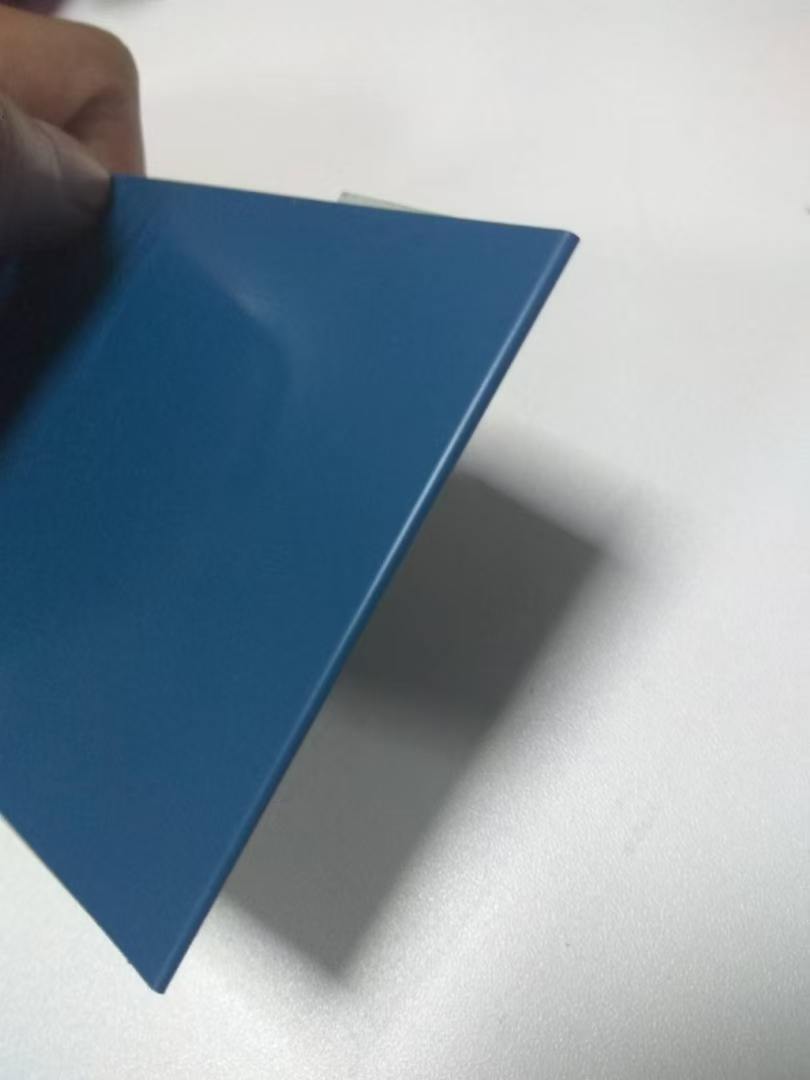
You need to understand what is a t-bend test for color coated steel coil if you work with prepainted metal. This test measures two critical properties at once: flexibility and adhesion. You take a coated panel and bend it 180 degrees over itself. Then you inspect the bend area for failure. The result tells you if your material can survive roll forming, brake bending, or profiling.
Definition and Core Purpose
The test evaluates the ability of a coating system to withstand fabrication stresses. ASTM D4145 describes this bending test for determining flexibility and adhesion of coatings on prepainted metallic substrates.
ASTM D4145 describes a bending test for determining flexibility and adhesion of coatings on prepainted metallic substrates. These organic coatings are subjected to stresses when fabricated into products by roll forming, brake bending, or other deformation processes. This test is a means of evaluating the ability of a coating system to withstand the stresses of fabrication.
Bending a coated specimen 180 degrees over itself
Here is how the test works. You take a specimen from your coil. You bend the metal panel 180 degrees onto itself using a cylindrical mandrel. The number of T represents the number of sheet thicknesses in the bend radius. A 0T bend means you fold the metal flat with no gap. A 1T bend uses a radius equal to one sheet thickness. A 2T bend uses twice the thickness. A 3T bend uses three times the thickness.
Each step reduces the stress on the coating. The smaller the T value, the more severe the test. A 0T bend requires high ductility from the coating. The test simulates bending your material encounters during actual fabrication. The purpose of this adhesion testing method is to verify the base metal and plated coating are properly fused, and the heat-affected zone demonstrates acceptable mechanical properties. This evaluation matters because real production bending creates similar stresses.
Evaluating resistance to cracking, peeling, or adhesion loss
After bending, you examine the coated surface carefully. You look for three specific failures:
- Cracking: visible splits in the paint film along the bend line
- Flaking: small pieces of coating that break away from the surface
- Adhesion loss (delamination): the coating separates from the metal substrate
The core logic of the test is to simulate bending deformation that coatings encounter in practical use. The test has two evaluation logics. First, you make a qualitative pass or fail judgment. Second, you determine the minimum bending diameter where the coating does not crack. The smaller the bending diameter, the better the flexibility and deformation resistance of your coating.
You also perform a tape test after bending. You press adhesive tape over the bend area. You pull it off firmly. Any coating that sticks to the tape indicates failure. This confirms whether the coating adhesion is adequate. This adhesion testing approach follows ASTM D4145 and gives you a clear result. The combination of visual inspection and tape testing ensures you catch all failure modes.
The test procedure follows these steps:
- You bend a coated metal panel onto itself at specified radii (0T, 1T, 2T, and so on).
- The number of T represents the number of sheet thicknesses in the bend radius. A 0T bend means you fold the metal completely flat.
- You visually inspect the coating for defects such as cracking, peeling, flaking, or powdering.
- The smaller the T value, the more severe the test. It requires higher ductility from the coating.
- The test simultaneously evaluates flexibility and adhesion. Flexibility means the coating can deform without cracking. Adhesion means it stays attached without peeling or flaking.
This step-by-step approach gives you reliable data about your material.
What the Test Does Not Measure
Now let us clarify the test limits.
Not a test for steel hardness or tensile strength
The t-bend test does not measure the steel mechanical properties. It does not tell you yield strength or tensile strength. Those numbers come from a tensile test machine. The t-bend focuses only on the coating system. The metal substrate serves as a bending surface. If you need data on the base metal, use other methods.
Focuses on the coating system, pretreatment, and substrate interaction
So what does the test evaluate? It examines the entire coating system. This includes the primer, the topcoat, and the pretreatment layer. The pretreatment creates the bond between the metal and the paint. A weak pretreatment causes adhesion failure regardless of the paint quality.
The test also reveals the interaction between the substrate and the coating. Different metals behave differently under bending. A coating that works on one substrate may fail on another. The test catches these mismatches. It ensures compatibility between the coating and the base metal.
Now consider what is a t-bend test for color coated steel coil in your quality process. It is a check on the coating system, not the steel. It measures how well the paint and pretreatment work together. This understanding is what is a t-bend test for color coated steel coil at its core. And what is a t-bend test for color coated steel coil ultimately gives you confidence in your material.
When you buy color-coated coils, you need to know the coating will survive your forming process. The test answers that question. It gives you a direct measure of formability. What is a t-bend test for color coated steel coil if not the best predictor of performance during bending? It is your quality gate for flexible, durable products.
Why Bend Testing Matters for PPGI and PPGL
You produce roofing sheets, sandwich panels, or rolling doors. Each process puts your material under stress. Bend testing reveals how your product performs before you run it through the line. Without this data, you risk costly stops and field failures.
Roofing Sheet Production
Profiling and corrugation stress
Your roll forming line creates corrugated profiles. The metal passes through a series of rollers. Each station forms the sheet progressively. The paint film stretches and compresses at every bend point. You need to know it survives these forces.
The outer surface of ribs experiences the most stress during forming. The tensile strain can exceed the paint elongation limit. This creates micro-fractures along the formed edges. Silicone Modified Polyester (SMP) paint is particularly brittle under these conditions. Softer types like Kynar 500 handle the same process without cracking.
Risk of edge cracking and paint failure
Two common failure modes appear during roofing production:
- Micro-cracks at bend points develop when a thicker paint film has reduced flexibility. The paint cannot stretch enough to follow the metal. You see small cracks on the paint surface. These defects expose the primer or metallic layer underneath.
- Delamination from internal stress occurs over time. A thick paint film generates internal stress during curing and cooling. This stress overcomes the primer adhesion strength. The paint layer separates from the steel. You see lifting and peeling months or years after installation.
A common stress point comes from not accounting for thermal expansion when sizing fastener holes. This omission leads to stress cracks over time. The sheet expands and contracts with temperature changes. This creates concentrated stress around the fixed points.
| Failure Mechanism | Field Consequence |
|---|---|
| Paint cracking, flaking, or adhesion loss at sharp bends | Moisture ingress and rust initiation at vulnerable points |
| Brittle paint or over-curing | Compromised roof integrity for ridges, gutters, and flashings |
| Formability issues in base steel | Cracking on complex architectural panels |
The test measures paint flexibility during bending. This applies directly to roll forming, corrugating, and panel production. Field failures like cracking, flaking, and rust trace back to poor t-bend performance.
Sandwich Panel Manufacturing
Stress at panel edges and ribs
Sandwich panels rely on clean bends at the edges and ribs. The coating must flex consistently across every panel. Inconsistent flexibility leads to visible defects. Your customers reject panels with cracked paint along the joint areas.
Need for consistent flexibility in joint areas
Joint areas experience repeated stress during assembly and installation. You need a coating that maintains its integrity through each bend. A panel that passes inspection at the factory can fail on site without proper checks.
Rolling Door and Roller Shutter Fabrication
Tight radii and repeated forming
Rolling door slats require tight radii. Each slat curves around a tight point. The material passes through the forming line multiple times. This repeated stress demands high flexibility from the paint.
High risk of failure without adequate flexibility
You face a high risk of failure with tight radii. The paint cracks or flakes at the bend line. Your color-coated coils must meet a low T-value to survive this process. Without proper data, you cannot guarantee performance.
When you select materials, you need the right rating for your application. A product that works for roofing may fail on a rolling door. Understanding why testing matters helps you choose the right product every time.
How Is a T-Bend Test Performed?
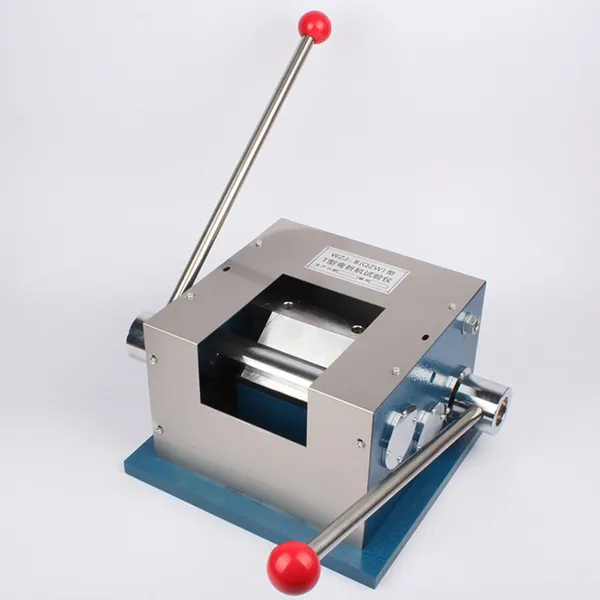
You can run this bend test process in any quality lab with basic tools. The procedure follows a clear sequence. Each step builds on the previous one. You need a coated specimen, a bending tool, and a tape roll for the adhesion check.
Step-by-Step Procedure
Sample preparation and cutting
You start with a clean, flat specimen from your coil. Cut the coated metal to the dimensions your quality standard requires. Smooth the edges carefully. Rough edges create false stress points during bending. Those stress points cause premature cracking. You want to test the coating, not the edge quality.
Critical sample preparation step: Cut coated metal specimens to the specified dimensions, ensuring the edges are smooth and clean before testing.
Clean the surface with a soft cloth. Remove any dust, oil, or debris. Contamination between the coating and the bending tool affects your results. A clean specimen gives you accurate data about your coating system.
Bending the specimen 180 degrees
Place the specimen in the bending tool. Fold the metal panel 180 degrees onto itself. The fold creates a sharp crease at the bend line. This crease simulates the stress your material faces during roll forming or brake bending.
You perform this bending action once for the initial fold. Then you repeat the process with spacers added at the fold center. Each repetition creates a different bend radius. The radius determines how much stress the coating experiences.
Adjusting bend radius to create 0T, 1T, 2T, or 3T levels
The T-value represents the number of sheet thicknesses inserted at the fold. You create different levels by adding spacers between the folded halves.
| T-Bend Level | Spacer Used at Fold | Relative Bend Radius | Coating Strain Level |
|---|---|---|---|
| 0T | None (sheet bent directly on itself) | Smallest (zero added thickness) | Highest strain |
| 1T | One sheet thickness | Increased by one thickness | Reduced strain vs 0T |
| 2T | Two sheet thicknesses | Further increased | Lower strain |
| 3T | Three sheet thicknesses | Largest of the four | Least strain (lowest stress on coating) |
A 0T bend gives you the sharpest possible radius. The coating faces maximum stress. A 3T bend provides a gentler curve. The coating experiences less strain. You test each level to find the point where your coating stops cracking.
Inspecting for cracks, peeling, or flaking
Open the folded specimen carefully. Examine the bend area under good lighting. Look for three failure types: cracks, peeling, and flaking. You may need a magnifying glass for fine cracks.
Apply adhesive tape over the bent area. Press it down firmly. Pull it off with one quick motion. Coating particles on the tape signal adhesion failure. This tape method confirms whether the paint stays bonded to the substrate.
Record the lowest T-value that passes without defects. That number becomes your material’s rating. This adhesion testing step gives you a clear pass or fail result.
Bend Testing Standards and Methods
Aligning with ASTM D4145
ASTM D4145 standardizes this entire procedure. The standard defines specimen dimensions, bending methods, and evaluation criteria. It applies to prepainted metal sheets made from steel or aluminum.
| Procedural Step | Standardized Specification |
|---|---|
| Sample Preparation | Specimens cut to defined dimensions with smooth, clean edges |
| Bending Method | 180° bend over itself or a defined radius (0T, 1T, 2T) |
| Adhesion Check | Optional tape test applied to the bent area |
| Inspection & Rating | Visual examination for cracks, flaking, or delamination; rated as T-values |
Following ASTM D4145 ensures your results match those from other laboratories. You can compare materials from different suppliers with confidence. Your bend testing data becomes meaningful across your entire supply chain.
Recording the minimum passing T value
Your final result is a single number. That number represents the tightest bend your coating survives without failure. A lower T-value means better flexibility and stronger adhesion.
You record this value on your material certificate. You share it with your fabrication team. They use it to set machine parameters. You also use it to qualify new coating batches from your supplier.
This adhesion testing method gives you a practical quality gate. You know exactly what your material can handle before you commit it to production. The test takes minutes but prevents hours of downtime and wasted material.
Understanding T-Bend Ratings
You now know how the test works. The next step involves reading the results. Each T-value tells you something specific about your material. Lower numbers mean better performance. Higher numbers indicate limitations. This section explains what each rating means for your production line.
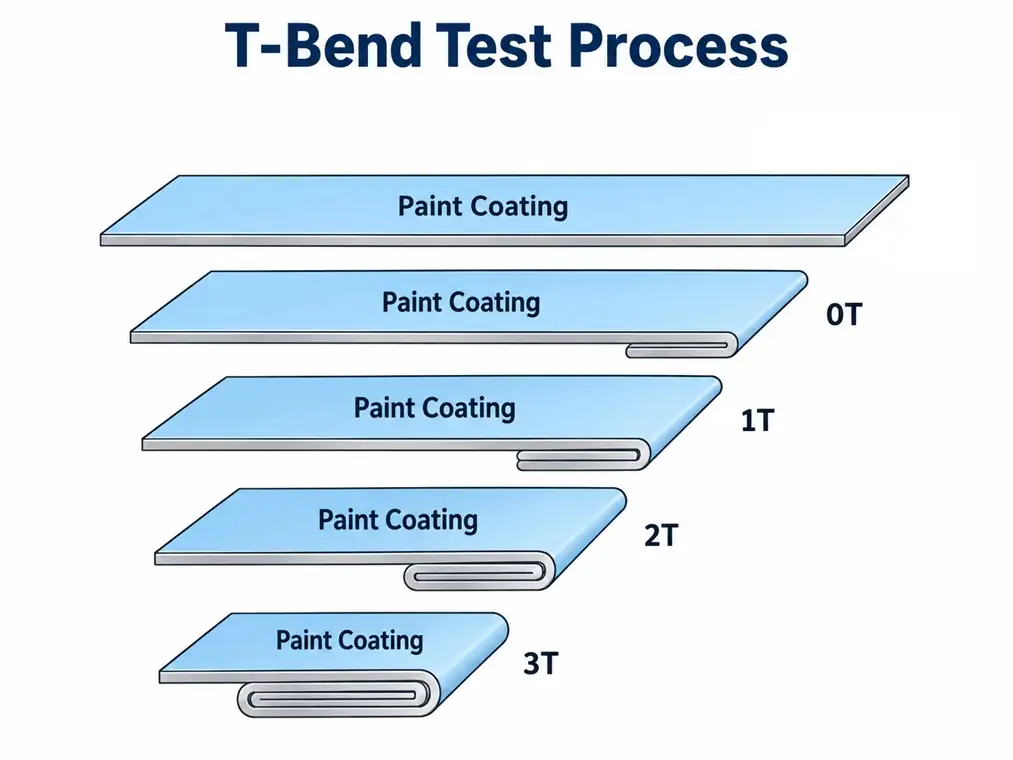
Interpreting 0T, 1T, 2T, and 3T
The T-value represents the tightest bend your coating survives without cracking or peeling. You want the lowest possible number for demanding applications. Each rating level corresponds to a different stress scenario.
0T: Tightest bend, highest flexibility requirement
A 0T rating means your material passes the most severe test. You fold the metal completely flat onto itself. No spacer sits between the two halves. The coating must stretch around a zero-radius bend without failure.
A 0T rating indicates excellent flexibility – the coating withstands bending over itself without cracking or loss of adhesion.
This rating suits complex profiles with sharp corners. You need 0T performance for products like standing seam panels or tight architectural details. The coating must move with the steel through extreme deformation.
A T0 bend rating indicates a more formable product, implying better adhesion and flexibility compared to higher T-values (e.g., T2 or T3).
When you see 0T on a specification sheet, you know the material handles aggressive forming. This rating gives you confidence for your most challenging fabrication work.
1T, 2T, 3T: Increasing bend radius, lower stress on coating
A 1T rating means you insert one sheet thickness at the fold. The bend radius equals the metal thickness. This creates a slightly gentler curve than 0T. Most standard roofing profiles work well with 1T material.
A 2T rating uses two sheet thicknesses at the fold. The radius grows larger. The coating faces less strain during forming. You might choose 2T material for simpler profiles or when you need extra margin for safety.
A 3T rating requires three sheet thicknesses at the fold. This produces the widest bend radius of the four levels. The coating experiences minimal stress. You would select 3T material only for gentle curves and straightforward shapes.
Each step up reduces the demand on your coating system. You trade formability for other properties. Understanding this trade-off helps you match material to application.
How Ratings Relate to Coating Performance
Your T-bend rating reflects the entire coating system. Primer, topcoat, and pretreatment all contribute to the final number. A weak link anywhere in that chain lowers your performance.
Lower T values indicate better adhesion and flexibility
The relationship is simple. Lower T values mean stronger adhesion and greater flexibility. Your coating bonds tightly to the substrate. It stretches without breaking. It resists peeling under stress.
Higher T values signal weaker performance. The coating may crack at tight radii. It might lose adhesion when you form sharp bends. You need to account for these limitations in your process design.
Different resin systems produce different results. Your choice of coating chemistry directly affects your T-bend rating. For example, Silicone Modified Polyester (SMP) coatings are brittle and prone to micro-fracturing during bending, whereas Kynar 500 (a PVDF-based coating) does not crack under the same conditions. You must balance these competing priorities.
Polyester offers the best formability. PVDF provides superior weather resistance but requires gentler bending. You must balance these competing priorities.
Matching T-bend ratings to specific applications
Your application dictates the rating you need. A roofing sheet with wide corrugations might accept T2 material. A rolling door slat with tight radii demands T1 or better. A flat architectural panel with minimal forming could use T3.
Consider your full production process. Think about every bend your material encounters. Include edge folding, crimping, and fastening operations. Each step adds stress to the coating.
Your bend testing data guides material selection. You compare ratings from different suppliers. You verify each batch meets your minimum standard. You reject material that falls short.
This adhesion testing approach protects your production line. It prevents costly surprises during fabrication. It ensures consistent quality from every coil you purchase.
The t-bend rating also affects your warranty decisions. A product with a poor rating may fail in the field. Cracks allow moisture to reach the substrate. Rust begins at those failure points. Your reputation suffers when customers see premature deterioration.
You should request T-bend data from every supplier. Ask for the minimum passing value. Confirm that value matches your forming requirements. Document the rating on your material certificates.
Your coating choice matters as much as your steel grade. A flexible coating on strong steel gives you the best of both worlds. You achieve complex shapes without sacrificing durability.
The test takes minutes to perform. The data protects you for years. Every coil you purchase carries this hidden specification. Understanding it transforms how you evaluate materials.
Your fabrication team benefits from clear ratings. They set machine parameters based on known material behavior. They adjust roll pressures and bend angles with confidence. They produce fewer rejects and less scrap.
Your customers benefit too. They receive products that perform as promised. Panels fit together properly. Edges remain clean and crack-free. The finished installation looks professional and lasts longer.
Remember that T-bend ratings represent minimum performance. Your actual production conditions may differ from lab testing. Add a safety margin when you select materials. Choose a rating one level better than your minimum requirement.
This approach costs little upfront. It saves substantial money over time. You avoid downtime, rework, and warranty claims. You build trust with every customer who receives your products.
How Manufacturers Use T-Bend Results
T-bend results never stay in the lab. They drive purchasing decisions, production parameters, and supplier relationships. You need this data to protect your operation from costly surprises.
Setting Production Standards
Establishing minimum T-bend requirements for different products
Every product line demands a different flexibility threshold. A roofing sheet with wide corrugations tolerates a 2T rating. A rolling door slat with tight radii requires 1T or better. You set these minimums before you order material.
Your engineering team reviews each profile design. They identify every bend radius the metal must survive. They translate those radii into T-bend requirements. Then they document those numbers in your material specifications.
This documentation becomes your purchasing standard. Every coil you order must meet that minimum rating. You reject material that falls short. You verify compliance with every shipment.
Using results to qualify new coating batches or suppliers
Supplier qualification follows a clear sequence. You request coated samples from the prospective supplier. You run T-bend tests on those samples to assess coating flexibility and cure quality. Then you compare the results against your required forming operations.
The ASTM D4145 standard defines the test method for determining the bend tightness (T-bend rating) without cracking. When you qualify a new supplier, you compare their documented T-bend rating against the rating stated in your RFQ checklist. This comparison ensures their paint system can survive the specific bend radii of your profile designs.
The T-bend test serves as a standardized quality assurance method. Manufacturers rely on it to verify a supplier’s coating can withstand the required bending without failure.
You then communicate your specific processing requirements to the supplier. You explain how the coil will be bent after delivery. You use the T-bend data as the benchmark for the paint specification. The supplier’s coating system earns qualification only when it meets your flexibility threshold.
Preventing Field Failures

Reducing risk of paint cracking during installation
Installation crews bend panels on site. They form flashings, trim edges, and fasten profiles. Each operation stresses the coating. A poor T-bend rating leads to visible cracks at those stress points.
A poor T-bend rating can lead to paint cracking, flaking, or adhesion loss at sharp bends, resulting in moisture ingress and rust initiation at vulnerable points. Selecting a coating with an appropriate T-bend rating prevents these failures and extends product life.
Extending the lifespan of prepainted metal products
Cracks expose bare metal to moisture. Rust begins at those failure points. Corrosion spreads beneath the paint film. Your product fails years before its intended lifespan.
Specifying the right T-bend rating prevents this chain of events. The coating flexes with the substrate during installation. No cracks form. No metal gets exposed. The paint system maintains its barrier protection.
Your color-coated coils deliver reliable performance when you match the rating to the application. You reduce warranty claims. You protect your reputation. You build trust with every customer.
The test takes minutes. The quality it protects lasts decades. Choose your T-bend rating carefully. Your production efficiency and product longevity depend on that single number.
The T-bend test gives you a simple yet powerful way to predict coating performance during bending and forming. Lower T-values translate directly to better flexibility and stronger adhesion. These qualities impact your fabrication efficiency and product longevity every day.
Treat T-bend ratings as a key specification when you source prepainted steel coils. Do not view them as optional extras. Request this data from every supplier. Verify each batch meets your minimum requirements before production begins.
Investing in the right T-bend performance today ensures durable, crack-free products tomorrow. Your customers notice the difference. Your reputation grows stronger with every reliable delivery.
FAQ
What T-bend value should I specify for my application?
Match the rating to your forming process. Review every bend your material encounters, then add one level of safety margin.
How do I request T-bend data from a supplier?
Ask for the minimum passing T-value on the material certificate. Request the method they follow, preferably ASTM D4145. Confirm the rating matches your forming requirements before you place the order. Document everything for your quality records.
Can a coating with a higher T-value still work for my product?
Yes, if your profiles use gentle curves only. Simple flat panels with minimal edge folding can tolerate a higher T-value. You trade formability for other properties like weather resistance. Evaluate your actual bend radii before you decide.
What causes a coating to fail the T-bend test?
Several factors contribute. Weak pretreatment creates poor adhesion between metal and paint. Over-cured paint becomes brittle and cracks under stress. Thick film builds reduce flexibility. Your supplier should investigate the root cause and adjust their process accordingly.
How does the T-bend test relate to real production conditions?
The test simulates the stress your material faces during roll forming and brake bending. Lab conditions provide consistent, repeatable results. Production lines add variables like speed and temperature. Choose a rating one level better than your minimum requirement to account for those differences.
What should I do when a batch fails my minimum T-bend requirement?
Reject the material before it reaches your production line. Contact your supplier with the results. Request a replacement coil that meets your specification. A failed batch will crack during forming, causing downtime and wasted material.
Does a lower T-value guarantee better long-term durability?
Not alone. A low T-value confirms excellent flexibility and adhesion at the time of testing. Long-term durability also depends on UV resistance, corrosion protection, and environmental exposure. Use T-bend data alongside other performance metrics for complete material evaluation.