

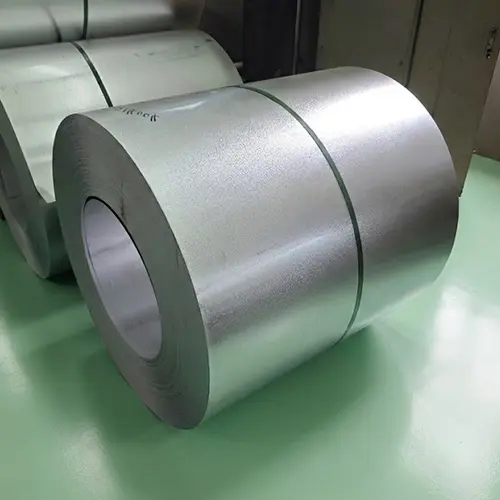
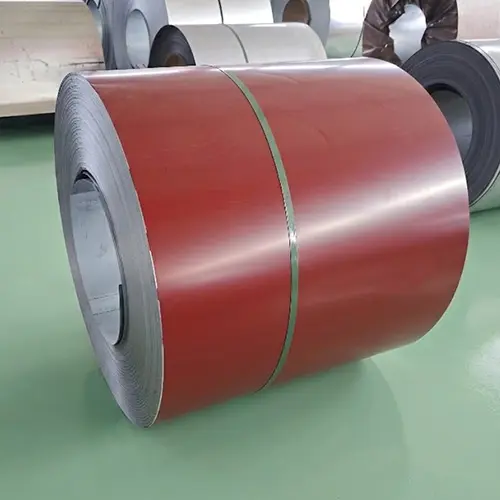

You face a frustrating reality: rolling doors in Southeast Asia fail too often. Corrosion, forming cracks, and paint peeling slash your product lifespan. The solution isn’t one “best” steel. It’s a tiered system matching your environment and budget. Three materials lead the way: Hot-Dip Galvanized Steel (GI), Prepainted Galvanized Steel (PPGI), and Prepainted Galvalume Steel (PPGL). This guide compares them side by side—helping you pick the right option for your factory’s needs and target markets. You’ll leave with actionable specs, coating weights, and sourcing tips that cut warranty claims. This is the Best Steel Materials for Rolling Door Factories in Southeast Asia advice you can act on today.
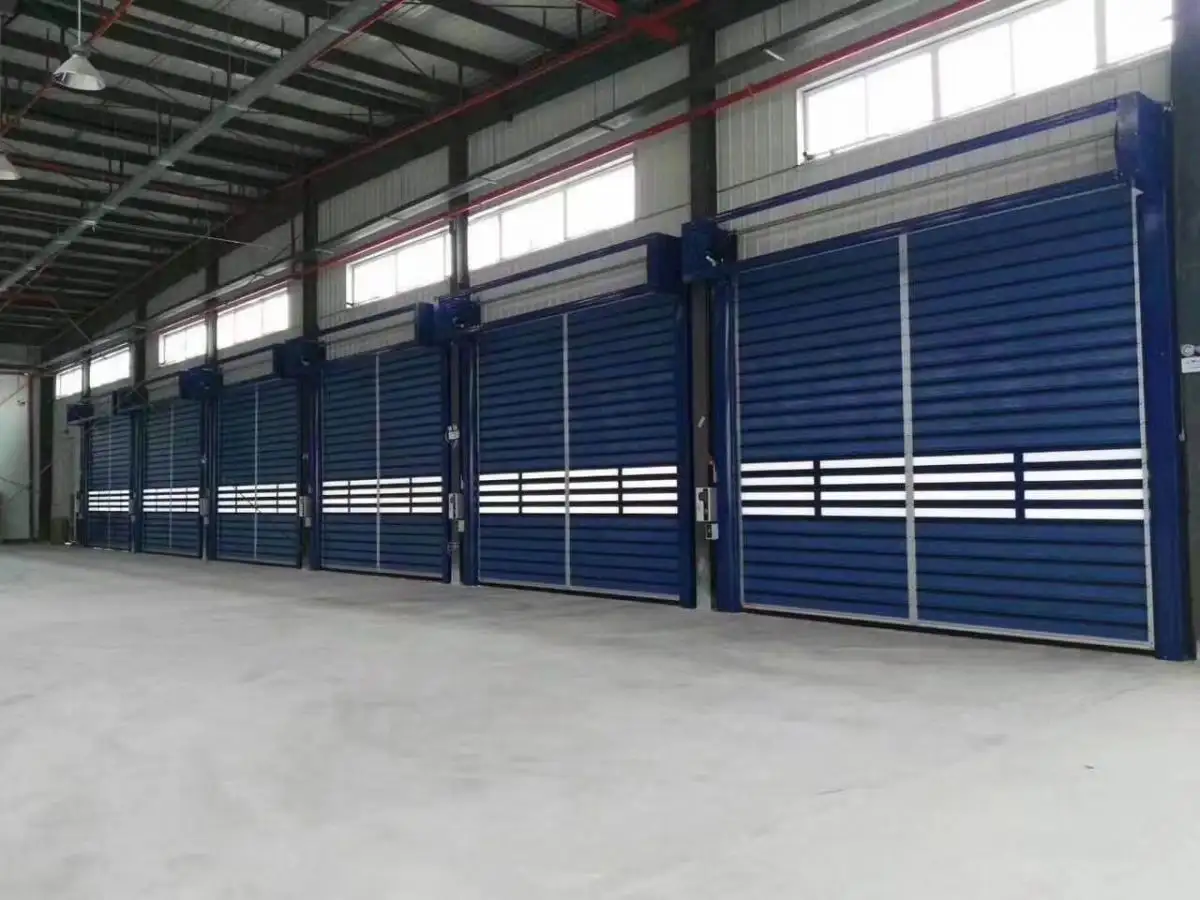
Key Takeaways
- Choose steel based on your environment and budget, not a single ‘best’ type.
- GI steel offers low cost and easy forming, but needs painting after forming.
- PPGI provides pre-painted color, saving time and ensuring consistent finish.
- PPGL resists corrosion best, ideal for coastal or humid areas, but costs more.
- Match steel hardness to your profile to avoid cracks or sagging.
- Select paint systems like HDP for durability in tropical climates.
- Test sample coils before mass production to ensure quality and fit.
- Specify proper packaging and storage to prevent rust during shipping.
Key Steel Properties for Rolling Door Manufacturing
Before you order steel coil, you need to understand the properties that determine your production success. Thickness, hardness, surface quality, and coil width all affect how your slats form, how they look, and how long they last. Ignoring these details leads to cracks, scratches, and wasted material. Here is what you must control.
Thickness Consistency and Tolerance
You cannot rely on nominal thickness alone. If your steel coil varies in thickness from one end of the coil to the next, your slat profile changes. Forming pressure shifts, assembly becomes difficult, and you get customer complaints about doors that do not fit.
For thin gauge coil between 0.40 mm and 0.70 mm, the acceptable thickness tolerance range is typically ±0.02 mm to ±0.04 mm, depending on the standard. For many roll forming applications, a common tolerance is ±0.03 mm.
But if you produce precision profiles, you may need tighter tolerances. Batch consistency matters just as much. You want every coil from the same order to match the same thickness range. That way, your roll former runs at the same settings, and every slat locks together correctly.
Hardness and Yield Strength Balance
You need to balance formability and rigidity. Soft steel forms easily with low springback, but it lacks stiffness. Finished slats may bend under load or deform during handling. Hard steel offers high strength, but it risks cracking at the bending edge and springing back after forming.
The best steel is not the hardest. It is the one that matches your slat profile, your roll former design, and your bending radius. If you push too hard on a high-strength coil, you get edge cracks and dimensional instability. If you use soft steel on a wide door, you get sagging. Match the hardness to the application. For standard commercial shutters, semi-hard steel often balances formability and rigidity. For high-strength slats, get full hard steel but validate formability with a trial run.
Surface Quality and Coil Width
Surface defects ruin your final product. Scratches, roller marks, and dents become visible on the finished door. You need clean cut edges with paint film locked to the metal without chipping or flaking. High-abrasion surface finish protects against scratches during operation.
Superior coating adhesion prevents edge peeling, paint chipping, or burrs. High-elasticity lacquer allows tight-radius bending without surface micro-cracking. Advanced tension leveling ensures perfectly straight, warp-free tracking. You also need the correct coil width to reduce scrap and improve material utilization.
Typical coil width ranges from 100 mm to 1000 mm, with custom sizes available. Width tolerance can be as tight as ±0.03 mm. Order the width that matches your slat profile exactly. That way, you trim less waste and run your line continuously.
Option 1 — Galvanized Steel Coil (GI) for Rolling Doors
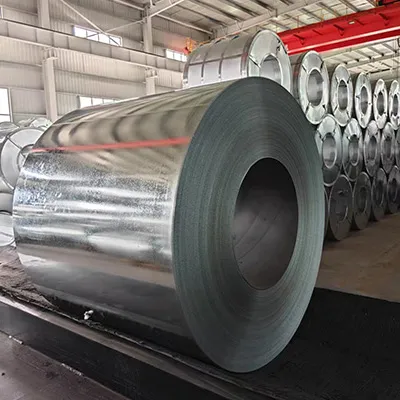
Why GI is a Common Choice
Galvanized steel coil, or GI, is a popular material for rolling door factories. You get a zinc coating applied through a hot-dip process. This coating protects the steel from corrosion. GI is economical, making it a budget-friendly option for many projects. You can easily form it into slat profiles using standard roll forming equipment. The material is widely available in Southeast Asia, so you can source it without long lead times.
Many factories choose GI because it offers a good balance of cost and performance. You do not need special handling or storage conditions. The zinc layer provides a sacrificial barrier that slows rust, even in humid environments. For industrial doors where appearance is less critical, GI delivers reliable function at a lower price. You also get flexibility in finishing. If you plan to paint or powder coat after forming, GI accepts those coatings well. The surface is clean and ready for secondary treatment. This makes GI a versatile starting point for many rolling door lines.
When GI Makes Sense for Your Factory
You should consider GI when your factory paints the slats after forming. For example, you might run a powder coating line that applies a custom color. GI gives you a clean base without the extra cost of a pre-painted surface. This approach works well for warehouses, factories, and storage facilities. The end user cares more about strength and durability than decorative finish. You also save money by not paying for a premium paint system.
Another scenario is when you produce doors for inland markets. The humidity is lower, and the corrosion risk is manageable with a standard zinc coating. If your customers do not demand a specific color, GI meets their needs. You can also use GI for high-strength slats. You order a full hard grade that gives you rigidity without the risk of cracking. The forming process stays stable, and the finished door holds its shape. For factories that run multiple profiles, GI simplifies your inventory. You stock one base material and apply different finishes later. This reduces your raw material complexity.
Key Specifications to Order
When you order GI for rolling doors, you must specify several details. Start with the thickness. For most slat profiles, you need a range from 0.40 mm to 0.70 mm. State the nominal thickness and the tolerance, such as ±0.03 mm. Next, define the coil width. Match it to your slat width to minimize scrap. Provide the exact width in millimeters. Then, choose the steel grade. Common grades for standard forming or higher strength.
Specify the hardness grade that affects formability and stiffness. This affects formability and stiffness. The zinc coating weight is critical. You select a zinc coating weight, such as Z275, measured in grams per square meter. For inland applications, a standard coating weight is often enough. For coastal or humid areas, consider a higher coating weight. Also, request the surface treatment. Standard options include surface treatments to prevent white rust.
Tell your supplier the coil weight and inside diameter. Typical coil IDs are standard sizes. Finally, set the slitting tolerance. A tight tolerance of ±0.03 mm helps your roll former run consistently. Provide these details in your purchase order. Your supplier can then deliver a coil that matches your production line.
Option 2 — PPGI for Rolling Door Manufacturing

Why Rolling Door Factories Use PPGI
Prepainted Galvanized Steel, or PPGI, brings finished color to your production line before forming begins. You eliminate the secondary painting step entirely. This advantage transforms your manufacturing workflow. Instead of forming bare slats, sending them to a paint line, and waiting for curing, you feed pre-coated coils directly into your roll former. The output is a complete, colored slat ready for assembly.
Mass production becomes more efficient with PPGI. You select from standard RAL color options, and every coil delivers consistent shade across your entire batch. No more color matching between batches or dealing with paint defects from your own line. The factory-applied coating also provides reliable corrosion protection. The zinc layer on the substrate works together with the paint system to shield the steel from moisture and oxidation.
PPGI suits factories that serve commercial markets. Shop roller shutters, storefront doors, and residential installations all benefit from the clean, finished appearance. Your customers receive doors that look professional without requiring additional treatment. You also reduce your floor space requirements. Without a painting station, you free up room for other production activities. Inventory management simplifies too. You stock colored coils instead of managing paint supplies, thinners, and disposal costs.
Paint Adhesion and T-Bend Performance
The paint on your PPGI coil must survive the forming process. Rolling door slats undergo repeated bending as they pass through the roll former. Each bend stresses the coating. If the paint lacks flexibility, it cracks or peels at the bend line. This exposes the underlying steel to corrosion and ruins the door’s appearance.
Coating flexibility matters as much as paint thickness. A thick but brittle coating fails during tight-radius forming. You need a paint system that bends with the metal without breaking. The T-bend test measures this exact property. It tells you how tightly you can fold the coated steel before the paint cracks.
T-bend test result: ≤ 3T — no cracking or delamination under normal forming conditions. This value is specified for the wrinkle coating to tolerate bending and stretching stresses of standard roll-forming operations (IBR, corrugated, standing seam profiles).
When you order PPGI for rolling door production, request a T-bend value of 3T or better. This specification ensures your paint system handles the bending radius of your slat profile. Poor adhesion leads to cracking and peeling during forming. You end up with rejected slats and wasted material. Confirm the T-bend performance with your supplier before committing to a full order.
Surface Hardness and Scratch Resistance
Your formed slats face many contact points during production. Rollers press against the surface, guide rails touch the edges, and handling equipment grips the finished product. Each contact can scratch a soft coating. Surface hardness determines how well your PPGI resists these marks.
The coating hardness is specified as 2H~3H (pencil hardness), indicating acceptable grades for scratch resistance during handling and roll forming. This hardness level protects your slats from minor abrasions that would mar a softer finish. You avoid the visible scratches that lead to customer complaints and warranty claims.
| Class | Pencil Hardness |
|---|---|
| Class 1 | H |
| Class 2 | H |
| Class 3 | F |
A harder surface also protects the door during installation. Workers handle slats, slide them into tracks, and adjust the assembly. Scratches that occur on site are difficult to repair. You cannot easily touch up a factory-applied coating without visible marks. Choosing PPGI with adequate pencil hardness reduces these risks. Your doors arrive at the job site looking clean and professional. The investment in proper surface hardness pays off through fewer rejections and happier customers.
Option 3 — PPGL for Rolling Door Manufacturing

Why Consider PPGL?
Prepainted Galvalume Steel, or PPGL, uses an aluminum-zinc alloy substrate instead of pure zinc. This metallic coating combines aluminum’s long-term protection with zinc’s sacrificial action. The result is a barrier that resists corrosion more effectively than traditional galvanized surfaces in many environments. You get this enhanced protection with coating weights measured in grams per square meter.
The aluminum content creates a stable oxide layer that slows corrosion dramatically. When you cut or scratch the steel, the zinc still protects the exposed edge. This dual action makes PPGL particularly valuable for rolling doors installed in humid or coastal locations. Salt spray and constant moisture attack standard galvanized steel over time. PPGL holds up better against these aggressive conditions.
You also gain excellent heat reflectivity. The aluminum-zinc surface reflects solar radiation, reducing heat buildup inside buildings. For warehouses and commercial spaces in tropical Southeast Asia, this property adds real value. Your customers enjoy cooler interiors without additional insulation costs.
PPGL accepts the same paint systems as PPGI. You can order it with PE, SMP, HDP, or PVDF coatings. The prepainted surface delivers the same finished appearance and color consistency you expect from PPGI. Your production line runs identically. You feed the coil into your roll former, and colored slats emerge ready for assembly.
PPGL vs. PPGI: Key Differences
The core difference lies in the substrate. PPGI uses a zinc coating. PPGL uses an aluminum-zinc alloy. This change affects corrosion resistance, cut-edge protection, and cost. You need to understand these trade-offs before choosing.
PPGL typically offers superior corrosion resistance in most atmospheric conditions. The aluminum-zinc layer lasts longer before showing rust. Cut edges also perform better because the zinc component provides sacrificial protection. However, PPGL is not automatically the better choice for every application. Your decision depends on the installation environment, forming requirements, and target cost.
PPGL costs 5–12% more than PPGI at equivalent specs.
This premium reflects the more expensive aluminum-zinc alloy. You pay more upfront for longer-term protection. For inland projects with moderate humidity, standard PPGI often delivers sufficient performance at a lower price. You avoid overspending on protection your customers do not need.
| Spec/Coating | PPGI Price (RMB/Ton) | PPGL Price (RMB/Ton) |
|---|---|---|
| 0.4mm PE | 7800-9200 | 9500-11000 |
| 0.5mm HDP | 8200-9800 | 10000-11800 |
| 0.6mm PVDF | 9500-11000 | 11500-13500 |
| Heavy Coating Premium | +300-600 | +800-1500 |
The table shows the price gap across different paint systems. Notice the heavy coating premium. PPGL commands a larger surcharge for thicker metallic coatings. You must weigh this cost against the expected service life of your doors.
Forming behavior also differs. The aluminum-zinc coating is harder than pure zinc. This hardness can affect roll forming. You may need to adjust your roll former settings when switching from PPGI to PPGL. The paint system must also flex properly over the stiffer substrate. Request a T-bend test before committing to a full production run.
Choose PPGL when your doors face coastal salt spray, industrial pollution, or prolonged high humidity. Choose PPGI for standard inland commercial applications where budget matters more than maximum longevity. Your customers’ environment should drive this decision, not marketing claims.
Best Steel Materials for Rolling Door Factories in Southeast Asia: GI vs. PPGI vs. PPGL
You now understand each material individually. The real question is how they compare when you place them side by side. This section gives you the full picture. You will see exactly where each option excels and where it falls short. Use this analysis to match your factory’s priorities with the right steel coil.
Comparative Analysis Table
The table below summarizes the key differences across the factors that matter most for rolling door production. Review each row carefully. Your specific situation determines which column wins.
| Factor | GI | PPGI | PPGL |
|---|---|---|---|
| Base Protection | Zinc coating | Zinc + paint system | Aluminum-zinc + paint system |
| Finished Color | No | Yes | Yes |
| Secondary Painting | Usually needed | Usually not needed | Usually not needed |
| Roll Forming | Good | Good with correct grade | Good with correct grade |
| Appearance | Industrial | Excellent | Excellent |
| Corrosion Resistance | Good | Good to very good | Often higher |
| Cost | Lower | Medium | Higher |
| Humid Climate | Depends on coating weight | Good with proper specification | Worth considering |
| Coastal Use | Requires careful specification | Depends on paint system | Often preferable |
The Salt Spray Test (ASTM B117) gives you a measurable way to compare corrosion resistance. This test exposes coated steel to a fine mist of salt water in a controlled chamber. GI steel typically shows red rust after 500 to 1,500 hours. A heavy Z275 coating can exceed 1,500 hours. PPGL performs better, reaching 1,000 to 2,500+ hours depending on the coating system. This test directly indicates how each material will behave in humid, corrosive environments like those found across Southeast Asia.
Lower Life Cycle Costs (LCC): PPGL is often the more economical choice when purchasing, installing, maintaining and replacing.
You might pay more upfront for PPGL, but the total cost of ownership tells a different story. Fewer replacements, less maintenance, and longer service life reduce your long-term expenses.
Recommended Material by Application
Different rolling door applications demand different materials. You cannot use one steel for every project and expect optimal results. Match the material to the end use.
| Application | Material to Consider | Main Selection Focus |
|---|---|---|
| Shop Roller Shutter | PPGI | Color consistency + formability |
| Warehouse Door | GI or PPGI | Cost + strength |
| Industrial Rolling Door | GI or PPGI | Strength + thickness |
| Exterior Color Shutter | PPGI | Paint durability + corrosion |
| Coastal Rolling Door | PPGL or higher-protection system | Corrosion resistance |
| Decorative Shutter | PPGI | Surface quality + color |
| High-strength Slat | High-strength GI or PPGI | Strength + forming compatibility |
For shop roller shutters in urban commercial areas, PPGI delivers the finished look your customers expect. You skip the painting step entirely. Warehouse doors in inland industrial zones work well with standard GI. You save money without sacrificing performance. Coastal installations demand more. Salt spray attacks standard zinc coatings relentlessly. PPGL’s aluminum-zinc layer resists this attack far longer. You protect your reputation by choosing the right material for each job.
Quick Decision Guide
You need a fast way to narrow your options. Use this guide as your starting point. It points you toward the first material to evaluate based on your primary requirement.
| Factory Requirement | First Material to Evaluate |
|---|---|
| Lowest material cost | GI |
| Finished colored slat | PPGI |
| No secondary painting | PPGI or PPGL |
| Standard commercial shutter | PPGI |
| High humidity environment | Higher-protection PPGI or PPGL |
| Coastal application | PPGL worth evaluating |
| Powder coating after forming | GI |
| Tight roll forming profile | Focus on grade + hardness |
| High structural strength | High-strength GI or PPGI with forming validation |
| Decorative surface | PPGI |
This guide does not give you a final answer. It gives you a starting direction. You still need to validate your choice with a trial production run. Send your supplier your slat profile and current specifications. Ask for a sample coil. Test it on your line before committing to a full order.
The Best Steel Materials for Rolling Door Factories in Southeast Asia depend on your specific production setup and target market. A factory serving inland warehouse clients has different needs than one supplying coastal commercial buildings. Your decision should reflect those differences.
Remember that application, forming requirements, environment, and target cost together determine the right material. No single option wins every category. GI offers the lowest entry price. PPGI provides finished color and efficient production. PPGL delivers superior corrosion resistance for demanding environments. Your job is to weigh these trade-offs against your customers’ expectations and your budget constraints.
Start with the quick decision guide. Narrow your options to one or two materials. Then run a proper evaluation with sample coils. Measure thickness consistency, check coating adhesion, and form test profiles. This process ensures you select the Best Steel Materials for Rolling Door Factories in Southeast Asia for your unique operation.
How Southeast Asia’s Climate Affects Steel Selection
High Humidity and Rainfall
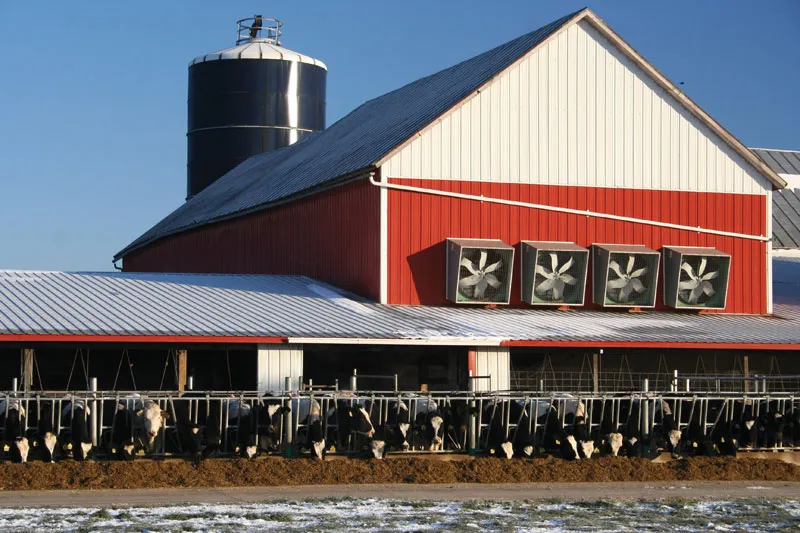
Southeast Asia’s humidity creates a constant corrosion risk for rolling doors. Relative humidity is often high throughout the year. This moisture attacks the steel surface continuously. Your zinc coating provides the first defense. In high-humidity areas, you need a heavier coating weight. For inland regions with moderate humidity, a moderate coating weight may work. But for areas with consistent rainfall, consider a higher coating weight. The extra zinc gives you more sacrificial protection before rust appears.
Rainfall also washes away protective oxide layers. This exposes fresh metal to corrosion. Your paint system must seal the substrate completely. Check the back coating on your PPGI or PPGL coil. Many factories overlook this layer. A standard back coating protects against moisture that condenses on the interior side of the door. Without it, condensation forms inside the slat and starts corrosion from the back.
Coastal Salt Spray and UV Exposure
Coastal environments add another layer of risk. Salt spray carries chloride ions that attack zinc and steel aggressively. These ions penetrate micro-cracks and cut edges. They start corrosion from the inside out. Your standard GI coil may show red rust within months in a coastal installation.
The salt spray test gives you a measurable way to compare materials. Under the EN 13438 standard, powder coatings on galvanized steel undergo specific test durations. The table below shows the standard test methods and exposure periods.
| Test Method | Duration |
|---|---|
| Neutral Salt Spray (NSS) per ISO 9227 | 750 hours |
| Acetic Acid Salt Spray (AASS) per ISO 9227 | 480 hours |
These tests simulate years of coastal exposure in a controlled chamber. When you evaluate suppliers, ask for their salt spray test results. This data tells you how their material performs in aggressive environments.
UV exposure also degrades your paint system. Strong sunlight breaks down organic binders in polyester coatings. Over time, the paint loses gloss and color intensity. Chalking occurs on the surface. For exterior doors in direct sunlight, choose SMP or HDP paint systems. These offer better UV resistance than standard PE coatings. PVDF provides the highest protection, but it adds significant cost. For most rolling door applications, SMP or HDP delivers the right balance of durability and value.
Shipping and Storage Considerations
The climate challenge starts before installation. Your steel coil travels through the same humid environment during shipping. Moisture and condensation can damage the coating before your roll former touches it.
Professional packaging prevents this damage. The standard approach uses multi-layered protection. The first layer wraps your coil with VCI (Volatile Corrosion Inhibitor) film. This material releases a protective vapor that coats the metal surface. It actively prevents rust formation during long sea shipments.
- Replace ordinary kraft paper with professional rust-proof paper or film for inner packaging. This provides active corrosion protection instead of passive barriers.
- Hang industrial-grade calcium chloride drying rods inside the container. These absorb moisture from the environment, controlling humidity levels that cause white rust.
The wrapping process creates a tight, water-resistant seal around the coil. This prevents moisture ingress. Unlike strapping, which leaves portions exposed, a properly wrapped coil is almost entirely encapsulated. This approach significantly reduces the risk of white rust on galvanized products.
Your storage conditions matter too. Keep coils in a dry, covered area. Avoid concrete floors that release moisture. Use a first-in, first-out inventory system to minimize storage time. These practices protect your material investment and ensure your steel arrives at the roll former in perfect condition.
Selecting the Best Steel Materials for Rolling Door Factories in Southeast Asia requires you to consider the entire supply chain. The substrate, metallic coating, paint system, back coating, and packaging all work together. A weak link in any of these areas compromises your final product. Evaluate each element carefully before placing your order.
How to Choose Steel Thickness and Hardness for Rolling Door Slats
You cannot pick thickness and hardness based on a single number. The right combination depends on your door dimensions, slat profile, forming machine, and target market. Thinner steel saves you money on material costs. It also reduces the load on your roll former. But thin slats risk deformation under heavy use. Doors that sag or buckle lead to customer complaints. Thicker steel adds strength and rigidity. The profile holds its shape even on wide openings. The trade-off is higher cost and greater forming load. Your machine must handle the extra force without stalling or damaging the coating. Understanding these trade-offs helps you select the right material for your production line.

Thickness Selection Principles
Start with your door dimensions. A shop shutter for a 3-meter opening needs less thickness than a 6-meter industrial door. The slat profile geometry also matters. Deep profiles add stiffness without extra thickness. Shallow profiles rely more on the steel gauge. Consider the wind load in your target market. Coastal areas with typhoons demand stronger slats. Reinforcement type and span between supports change the load each slat must carry. Your forming machine capability also sets limits. Some machines cannot handle thick gauges without stalling or causing alignment issues.
For most standard commercial shutters, thicknesses between 0.40 mm and 0.70 mm work well. This range balances cost, formability, and structural integrity. Verify this range with your roll former manufacturer. They know the exact limits of your machine. Order a trial coil at your target thickness. Run it through your line. Measure the formed profile dimensions. Check for any deformation or instability. Adjust your thickness up or down based on the results.
Batch consistency matters just as much as the nominal thickness. You want every coil from the same order to match the same thickness range. That way, your roll former runs at the same settings, and every slat locks together correctly. The acceptable thickness tolerance range is typically ±0.03 mm for thin gauge coil between 0.40 mm and 0.70 mm. If you produce precision profiles, you may need tighter tolerances. Specify this requirement in your purchase order.
Hardness Selection: Soft, Semi-Hard, or Full Hard?
Steel hardness directly affects your production success. Soft steel forms easily with low springback. The material bends around your rollers without cracking. But soft slats lack rigidity after forming. They may sag or deform under normal service loads. For narrow doors or low-stress applications, soft steel works fine. Your production line runs smoothly with minimal adjustment.
Semi-hard steel offers a practical balance. You get enough formability for most standard profiles. The finished slat holds its shape without excessive springback. Semi-hard grades work well for the majority of commercial rolling door applications. This is often the safest starting point for factories that produce multiple door sizes. You avoid the cracking risk of full hard steel while gaining better rigidity than soft steel.
Full hard steel delivers the highest strength. You can use thinner gauges and still achieve the required rigidity. The risk is cracking at the bend edge and springback after forming. Your roll former must handle the higher forces. Your tooling must be designed for the harder material. Full hard steel suits specific applications like high-security doors or wide industrial openings where strength is the top priority. But you must validate the grade with a trial run before committing to bulk orders.
How do you choose? Match the hardness to your profile geometry and bending radius. Tight bends require softer steel. Shallow bends with large radii can handle harder grades. Test your current slat profile with different hardness levels. Measure the springback angle. Check for edge cracks. Adjust your order based on what your line produces reliably.
Why “Harder Steel” Is Not Always Better
You hear that high-strength steel is the strongest grade. Some suppliers promote it as the best choice for any rolling door. This is a misunderstanding. Rolling door production is a forming application. You do not need maximum strength in every case. You need the right balance of strength and formability.
High-strength steel has a high yield strength. This grade works well for structural applications like roof sheeting or wall cladding. But rolling door slats undergo repeated bending. The tight radius at each slat interlock stresses the material. High-strength steel can crack at these points. The springback also becomes difficult to control. Your slat dimensions may shift after forming. You end up with rejected parts and wasted material.
The better approach is to specify mechanical properties based on your profile and production line. Do not simply ask for the highest available strength. Request the grade that matches your forming process. If you run a standard commercial profile with moderate bending radii, semi-hard steel often performs best. For high-strength slats, validate the full hard grade with a trial run before committing to bulk orders. Work with your supplier. Send them your slat drawing and current specifications. Ask for their recommendation on hardness and grade. A reputable supplier will guide you to the right material, not just the strongest one. This approach reduces your scrap rate, minimizes springback issues, and ensures consistent profile quality.
Which Paint System Is Best for Rolling Doors?
Your paint system determines how your rolling door looks and survives after installation. The substrate and metallic coating protect against corrosion, but the paint layer faces UV rays, scratches, and weathering. Choosing the wrong paint system leads to fading, chalking, or peeling within months. You need to match the paint chemistry to your door’s exposure and your customer’s budget. Four main options exist: PE, SMP, HDP, and PVDF. Each offers a different balance of durability, flexibility, and cost.
PE (Polyester) for Standard Applications
Polyester, or PE, is the workhorse paint system for rolling doors. You get a smooth, glossy finish at the lowest cost among prepainted options. PE suits standard commercial applications where the door sits in a sheltered location or faces moderate weather. Shop shutters, internal partitions, and warehouse doors in inland areas perform well with PE. The coating applies evenly during manufacturing, giving you consistent color across every coil.
PE offers the highest flexibility of the common paint systems. This flexibility matters during roll forming. Your slat profile bends the coating at tight radii. A brittle paint cracks at these points. PE handles these bends without failing. The table below shows how PE compares to other systems.
| Coating Type | Flexibility Rating | T-Bend Value Range |
|---|---|---|
| PE (Polyester) | Highest (5/5) | T1–T2 |
| HDP (High Durability Polyester) | High (4/5) | T2–T3 |
| SMP (Silicon-Modified Polyester) | Moderate (3/5) | T3–T4 |
The T-Bend test measures the smallest bend radius a coated sheet withstands without cracking. Lower T values mean better flexibility. PE achieves T1–T2, making it the safest choice for complex profiles. You reduce the risk of paint cracking during production. For cost-sensitive projects, PE delivers reliable performance without overspending.
SMP and HDP for Higher Durability
Silicon-modified polyester, or SMP, adds silicon to the paint formula. This addition improves weather resistance and exterior durability. SMP handles UV exposure better than standard PE. Your door keeps its color and gloss longer under direct sunlight. However, SMP sacrifices some flexibility. The T-Bend value ranges from T3 to T4. You need to check your slat profile’s bending radius before choosing SMP. Tight curves may crack this coating.
High durability polyester, or HDP, sits between PE and SMP. HDP offers better exterior durability than PE while maintaining good flexibility. The T-Bend value ranges from T2 to T3. You get improved resistance to chalking and fading without losing formability. HDP works well for exterior doors in tropical climates. Strong sunlight and heavy rain test your paint system daily. HDP handles these conditions better than standard PE.
Choose SMP when your door faces intense UV exposure and your profile has gentle curves. Choose HDP when you need a balance of durability and formability. Both systems cost more than PE but less than PVDF. For most rolling door factories serving Southeast Asian markets, HDP offers the best value. You gain exterior durability without paying the premium for PVDF.
PVDF for Demanding Exterior Projects
Polyvinylidene fluoride, or PVDF, represents the top tier of paint systems. You get exceptional UV resistance and color retention. PVDF resists chalking, fading, and chemical attack. This system suits high-spec exterior projects where appearance must last for decades. Coastal buildings, iconic storefronts, and architectural installations benefit from PVDF.
The PVDF system uses a three-coat structure. Each layer serves a specific purpose.
| Coating Layer | Thickness Range (microns) |
|---|---|
| Primer | 5–10 |
| Color Top Coat | 25–30 |
| Clear Top Coat | 10–15 |
| Total (3-coat system) | 40–60 |
The primer ensures adhesion to the metallic substrate. The color top coat provides the visible finish and pigment. The clear top coat adds extra UV protection and depth. This total thickness of 40–60 microns creates a robust barrier against environmental attack.
For most rolling doors, PVDF is over-specification. You pay a significant premium for performance your customers may not need. A standard shop shutter in an inland city does not require PVDF. HDP delivers sufficient durability at a lower cost. Reserve PVDF for projects where the customer demands the highest quality and accepts the higher price. Your material cost rises, but you eliminate warranty claims related to fading or chalking.
Common Material Problems and How to Avoid Them
You face predictable problems when forming rolling door slats. Paint cracks, surface scratches, and slat deformation stop your production line. Each issue has a specific cause. Find that cause, and you can fix it before it wastes your material and time.
Paint Cracking and Peeling
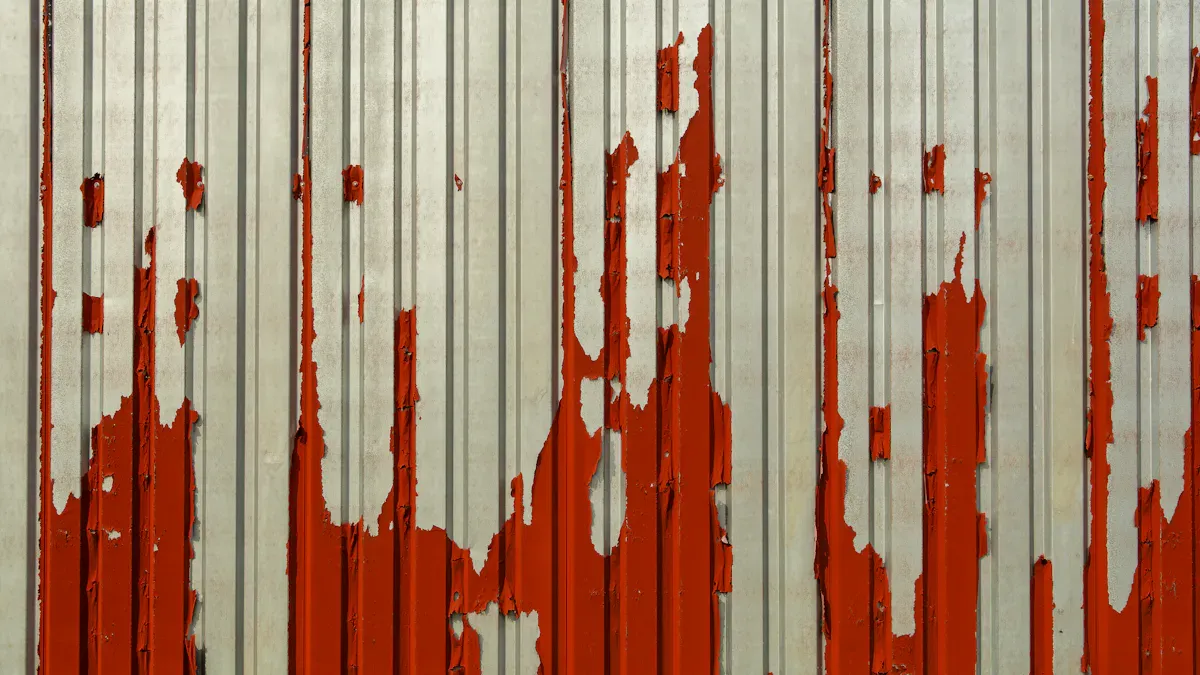
Paint cracking appears at the bend line of your slat profile. The coating fails to stretch with the steel. Several factors cause this failure. Extreme dryness of the paint surface prevents strong adhesive bonds. When your factory environment has low humidity, the paint loses its flexibility. The coating becomes brittle. It cannot handle the tight radius of your roll former. Cracks form along the bending edge. Peeling follows when the bond between paint and substrate breaks completely.
Improper application methods also cause cracking. Applying a coat that is too thin prevents strong cohesive bonds within the paint film. The thin layer lacks the internal strength to resist bending stress. Using incorrect tools during the forming process adds mechanical stress that the coating cannot absorb. Another factor is using low-quality paint brands. These paints lack the flexibility and adhesion required for intensive roll bending. The paint cannot survive the repeated deformation of forming.
How do you avoid these problems? First, check the T-bend value of your PPGI coil. Request a value of 3T or better. This specification ensures the coating handles your bending radius. Second, control your factory environment. If the air is too dry, the paint surface becomes brittle. Maintain reasonable humidity levels during storage and forming. Third, choose a reputable supplier. Low-quality paint brands cause warranty claims. Invest in a known paint system that matches your production needs. Finally, review your forming setup. High pressure or misaligned rollers add stress to the coating. Adjust your tooling to reduce bending forces.
Roller Marks and Surface Scratches
Roller marks appear as lines or impressions on your finished slat. The surface of your forming rollers causes these marks. Dirty rollers pick up debris that presses into the soft coating. Worn rollers have uneven surfaces that transfer imperfections to the steel. Excessive roller pressure also creates marks. The rollers squeeze the coating too hard, leaving permanent impressions.
Surface scratches occur at different stages. During forming, sharp edges on your guide rails or rollers cut into the coating. During handling, workers slide slats against each other, creating abrasions. During packing, inadequate wrapping allows slats to rub together during transport. Each scratch reduces the door’s appearance and invites corrosion.
To avoid these problems, inspect your rollers regularly. Clean them after each shift. Replace worn rollers before they damage your product. Reduce roller pressure to the minimum needed for consistent forming. Check your guide rails for burrs or sharp edges. Train your workers to handle formed slats carefully. Use proper packing materials. Wrap each bundle with protective layers that prevent surface contact. A scratch-free door looks professional and lasts longer.
Slat Deformation and Springback
Slat deformation means your finished profile does not hold its intended shape. The steel is too soft for the application. Soft steel bends and twists under load. The slat sag when you lift it or assemble it into the door. Thickness variation also causes deformation. Inconsistent thickness creates weak spots along the slat length. The profile bends or buckles at these points.
Springback is the opposite problem. The steel tries to return to its flat shape after forming. High-strength steel has more springback than soft steel. The slat does not match your desired profile dimensions. Unsuitable roll design also contributes. If your rollers do not compensate for the material’s natural springback, the finished slat deviates from the target shape.
How do you avoid these issues? Match the steel hardness to your profile. For standard commercial shutters, semi-hard steel balances formability and rigidity. If you use full hard steel, validate it with a trial run. Ensure your steel supplier delivers consistent thickness within your specified tolerance. A tolerance of ±0.03 mm helps maintain stable forming. Review your roll design. Experienced roller designers build springback compensation into the tooling. Test your setup with a sample coil before mass production. Measure the finished slat dimensions. Adjust your process until the shape is stable and repeatable.
Rolling Door Steel Coil Buying Checklist
You cannot afford to guess when ordering steel coil for your rolling door line. One wrong specification creates weeks of production problems. Use this checklist to confirm every detail before you commit to a purchase order.
Essential Specifications to Confirm
Start with the application. Know exactly where your customer will install the door. A coastal shop shutter needs different protection than an inland warehouse door. This decision drives every other specification you choose.
Confirm your slat profile drawing matches the coil width you order. The slitting width must align with your roll former’s requirements. A mismatch creates scrap and slows your line. State the thickness clearly, including tolerance. For thin gauge coil between 0.40 mm and 0.70 mm, request a tolerance of ±0.03 mm or tighter.
| Specification | What to Confirm |
|---|---|
| Steel grade | e.g., standard forming grade |
| Yield strength | Match to your profile and forming capability |
| Hardness grade | Affects formability and stiffness |
| Zinc/Al-Zn coating | Zinc coating weight for GI; Al-Zn coating weight for PPGL |
| Paint system | PE, SMP, HDP, or PVDF |
| Paint thickness | Confirm total film build in microns |
| RAL color | Specify exact color code |
| T-bend value | 3T or better for tight profiles |
| Coil weight and ID | Match your handling equipment |
| Packing | Waterproof kraft paper, PVC film, desiccant |
| MTC | Mill test certificate required |
Do not skip the back coating specification. Many factories focus only on the top paint layer. The back coating protects against condensation inside the slat. A standard back coating prevents moisture from attacking the substrate from the rear.
What to Send Your Supplier Before Ordering
Your supplier cannot recommend the right material without complete information. Send them your slat drawing first. This shows the profile geometry, bending radius, and interlock design. Include your current steel specification, even if you have problems with it. The supplier needs to see what you use now to suggest improvements.
List your thickness, slitting width, and hardness or grade. State your RAL color requirement and monthly consumption volume. Tell them your end market. A factory serving coastal Vietnam has different needs than one supplying inland Thailand. Describe any current forming problems you face. Cracking, scratches, deformation, or springback all point to specific material adjustments. A reputable supplier uses this information to match the right grade and coating to your production line.
How to Test a New Steel Coil Before Mass Production
Never commit to a bulk order without testing a sample coil first. Follow this process to validate the material before it reaches your full production run.
- Check the MTC against your specifications. Verify the grade, coating weight, and mechanical properties match what you ordered.
- Measure the actual thickness at multiple points across the coil width. Confirm it stays within your specified tolerance.
- Inspect the coating surface for defects. Look for scratches, roller marks, or uneven paint application.
- Run a trial production batch through your roll former. Use the same settings you use for your current material.
- Measure the formed profile dimensions. Compare them to your slat drawing. Check for any deviation.
- Examine the formed slats for surface scratches or paint cracking at the bend lines.
- Check for springback. Confirm the slat holds its shape after forming.
- Calculate your scrap rate from the trial run. Compare it to your current production baseline.
A trial run that produces low scrap indicates the material works well with your setup. Higher scrap rates mean you need to adjust your specifications or find another supplier.
Evaluate the results honestly. If the trial coil fails any step, do not proceed to mass production. Ask your supplier for an alternative grade or coating system. Testing one coil costs far less than rejecting an entire shipment.
Your decision follows a simple path. First, assess the installation environment. Coastal areas demand stronger corrosion protection than inland sites. Second, determine your total cost of ownership budget. Third, select the material that satisfies both conditions.
No single option works for every factory. Standard inland applications perform well with GI or PPGI. Coastal projects warrant evaluating PPGL or higher-protection systems. Investing correctly upfront reduces warranty claims and builds your reputation for quality.
Running a rolling door or roller shutter line? Send us your current slat profile, thickness, coil width, hardness/grade, and monthly consumption. We can help compare suitable GI, PPGI, or PPGL specifications for your forming process. This is the Best Steel Materials for Rolling Door Factories in Southeast Asia guidance you need.
FAQ
What steel is used for rolling doors?
Three main options exist: Hot-Dip Galvanized Steel (GI), Prepainted Galvanized Steel (PPGI), and Prepainted Galvalume Steel (PPGL). Your choice depends on your installation environment, budget, and forming requirements.
Is PPGI suitable for roller shutter doors?
Yes. PPGI delivers finished color before forming, eliminating secondary painting. It works well for standard commercial shutters. Ensure your order specifies a T-bend value of 3T or better for your slat profile’s bending radius.
Is galvanized steel good for rolling shutters?
Yes, for inland applications. GI is economical and easy to form. You need a suitable zinc coating weight for moderate humidity. For coastal areas, consider PPGL instead.
What thickness of steel is used for rolling door slats?
Most standard commercial shutters use 0.40 mm to 0.70 mm thickness. Your specific thickness depends on door width, height, slat profile, wind load, and forming machine capability.
What hardness is best for rolling door production?
Semi-hard steel offers the best balance of formability and rigidity for most applications. Soft steel lacks stiffness. Full hard steel risks cracking and springback during forming.
Is G550 suitable for rolling door manufacturing?
Not typically. High-strength steel has high strength but cracks easily at tight bend radii. Rolling door is a forming application. You need balanced strength and formability, not maximum hardness.
PPGI or PPGL: which is better for rolling doors?
Neither is universally better. PPGI costs less and works well for inland applications. PPGL offers superior corrosion resistance for coastal environments. Your installation location and budget decide the winner.
What steel should be used for rolling doors in humid climates?
Choose higher-protection PPGI or evaluate PPGL. For coastal areas, PPGL with aluminum-zinc coating resists salt spray. Specify a heavier zinc coating and a durable paint system like HDP.