


PPGI vs PPGL for Sandwich Panel Production: Which Steel Coil Should You Choose?
When you produce metal sandwich panels, choosing between PPGI and PPGL coils often feels like a toss-up. Both materials work for panel production, yet they differ in substrate, coating structure, corrosion resistance, forming behavior, and cost. These differences directly affect your insulation performance, thermal efficiency, and long-term durability. You need a clear comparison to avoid costly mistakes. This guide evaluates each material across key parameters: substrate, coating, thickness, mechanical properties, forming, corrosion resistance, paint system, application environment, production requirements, and cost. By the end, you can select the right steel for your specific panel line and project conditions.
Key Takeaways
- PPGI uses a pure zinc coating. PPGL uses an aluminum-zinc alloy. This alloy gives PPGL better corrosion resistance.
- PPGL lasts longer in coastal or humid areas. Its aluminum layer blocks salt and moisture better than zinc.
- PPGI costs less than PPGL. It works well for standard buildings in normal weather.
- Your choice of paint system matters. PE paint is budget-friendly. PVDF paint lasts longest in harsh sun.
- Match steel thickness to your panel design. Thicker steel makes stronger panels. Thinner steel is lighter and cheaper.
- Consider your production line. Both materials fit the same coil sizes. Your forming machine settings may need changes.
- For long service life, choose PPGL. It resists corrosion 1.5 to 2 times longer than PPGI.
- Evaluate your project’s environment. Use PPGI for dry inland sites. Use PPGL for coastal or industrial areas.
PPGI vs PPGL: What Is the Difference?
Before you place an order for your sandwich panel line, you need to understand what each material actually is. The names look similar, but the substrates underneath the paint tell a different story.

What Is PPGI?
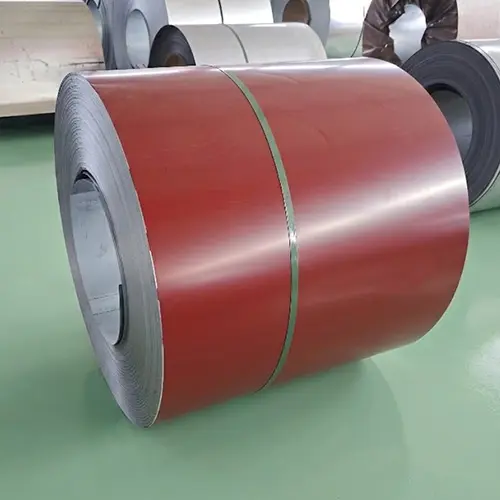
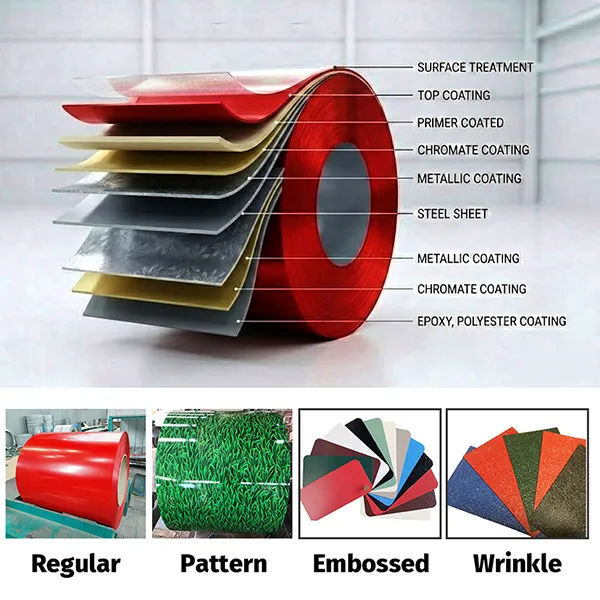
PPGI stands for pre-painted galvanized steel. You start with a cold-rolled steel base, then apply a zinc coating through a hot-dip galvanizing process. After that, the coil goes through pretreatment, primer, top coat, and back coat layers. The zinc layer protects the steel through sacrificial action — it corrodes first, keeping the base metal safe.
Substrate and Coating Structure
The structure of PPGI follows a clear sequence: steel substrate, zinc coating, pretreatment, primer, top coat, and back coat. Each layer serves a purpose. The zinc coating provides the primary defense against rust. The paint layers add color, UV protection, and an extra barrier against moisture. For sandwich panel production, this structure delivers reliable performance in standard environments.
Typical Applications and Benefits
You will find PPGI used widely for roofing sheets, wall cladding, and interior panels. Its main benefits include good formability, consistent surface quality, and lower material cost. If your sandwich panels serve standard industrial or commercial buildings, PPGI often meets your requirements without overspending. You can explore the full range of options on the PPGI Steel Coil product page.
What Is PPGL?
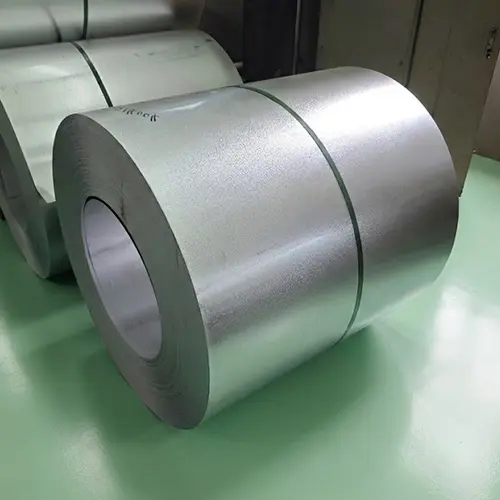
PPGL refers to pre-painted galvalume steel. The key difference lies in the metallic coating. Instead of pure zinc, you get an aluminum-zinc alloy layer. This alloy changes how the material behaves in corrosive environments.
Substrate and Coating Structure
The galvalume coating follows a specific formula. The standard chemical composition of the PPGL Galvalume substrate is 55% aluminum, 43.4% zinc, and 1.6% silicon, as stated in the product description for PPGL pre-painted galvalume steel.
The standard chemical composition of the PPGL Galvalume substrate is 55% aluminum, 43.4% zinc, and 1.6% silicon.
This combination gives you the best of both metals. Aluminum provides a stable, passive barrier. Zinc still offers sacrificial protection at cut edges and scratches. Silicon improves adhesion between the coating and the steel base.
Typical Applications and Benefits
PPGL suits demanding exterior applications where corrosion resistance matters most. You will see it specified for coastal buildings, agricultural structures, and panels exposed to high humidity. The PPGL / Aluzinc Steel Coil product page shows the available specifications for your production planning.
The Core Difference: Zinc vs. Aluminum-Zinc Alloy
The real distinction between PPGI and PPGL comes down to how each coating protects the steel underneath.
Sacrificial Protection Mechanism
Pure zinc on PPGI works through sacrificial protection. When moisture reaches a scratch or cut edge, the zinc corrodes first. This action keeps the steel intact. It works well, but the zinc layer depletes over time, especially in harsh conditions.
Passive Protection and Heat Resistance
The aluminum-zinc alloy on PPGL adds a passive protection layer. Aluminum forms a stable oxide film that blocks oxygen and moisture. This passive barrier lasts longer than sacrificial action alone. The alloy also handles heat better than pure zinc.
| Property | PPGI (Pure Zinc) | PPGL (Al-Zn Alloy) |
|---|---|---|
| Corrosion Resistance | Good | Excellent (3–6x better) |
| Heat Resistance | Moderate | High |
| Cost | Lower | Slightly higher |
The aluminum-zinc alloy coating provides significantly superior corrosion resistance — up to 3–6 times better — and higher heat resistance compared to pure zinc coating, though at a slightly higher cost. For your metal sandwich panels, this means PPGL can extend service life in aggressive environments, while PPGI keeps initial costs down for standard projects.
PPGI vs PPGL: Key Specification Comparison
When you compare PPGI and PPGL for your sandwich panel line, you need more than a general sense that one material “seems better.” You need concrete numbers. The table below organizes the key specifications side by side, using the ranges you can actually order from WitopMaterial.
Specification Table: PPGI vs PPGL
Substrate and Coating
| Specification | PPGI | PPGL |
|---|---|---|
| Substrate | Galvanized Steel | Galvalume Steel (55% Al, 43.4% Zn, 1.6% Si) |
| Main Coating | Zinc | Aluminum-Zinc Alloy |
| Zinc/Al-Zn Coating | Z30 – Z275 g/m² | Z30 – Z275 g/m² |
| Thickness Range | 0.12 – 1.5 mm | 0.12 – 1.5 mm |
| Width Range | 600 – 1500 mm | 600 – 1500 mm |
| Coil Weight | 3 – 5 tons | 3 – 5 tons |
| Coil ID | 508 mm / 610 mm | 508 mm / 610 mm |
| Standards | ASTM A755, JIS G3312, EN 10169 | ASTM A755, JIS G3322, EN 10169 |
Both materials share the same width range, coil weight options, and coil inner diameters. You can run either coil on the same uncoiler without changing your line setup. The thickness range differs, though. PPGL is available in a wider range of thicknesses to accommodate heavy-duty structural panels, while PPGI covers most standard wall and roof panel profiles.
Mechanical Properties and Formability
| Specification | PPGI | PPGL |
|---|---|---|
| Hardness Options | Soft, Medium Hard, Full Hard | Soft, Medium Hard, Full Hard |
| Formability | Good | Good, depending on grade |
| Yield Strength | Varies by grade | Varies by grade |
You can order both materials in soft, medium hard, or full hard temper. Soft coils bend easily for complex profiles. Full hard coils give you higher structural strength but require more careful roll forming setup. The substrate does not automatically determine formability — your steel grade and hardness selection do.
Paint Systems and Surface Finish
| Specification | PPGI | PPGL |
|---|---|---|
| Paint Systems | PE, SMP, HDP, PVDF | PE, SMP, HDP, PVDF |
| Top Coat Thickness | 10 – 30 μm | 10 – 30 μm |
| Back Coat Thickness | 5 – 20 μm | 5 – 20 μm |
| Gloss Range | 40 – 80 GU | 40 – 80 GU |
| Paint Brands | Nippon, Akzo Nobel, PPG, Beckers, KCC | Nippon, Akzo Nobel, PPG, Beckers, KCC |
| Color Options | RAL / Custom | RAL / Custom |
The paint systems available for PPGI and PPGL are identical. You can specify polyester, SMP, HDP, or PVDF on either substrate. Top coat thickness ranges from 10 to 30 microns, and back coat from 5 to 20 microns. Gloss levels fall between 40 and 80 gloss units. Your choice of paint brand and system affects durability more than the substrate itself.
Understanding the Specification Differences
The table shows you the raw numbers. Now you need to understand what those numbers mean for your production line and your finished panels.
Impact on Panel Performance
The substrate difference between PPGI and PPGL changes how your metal sandwich panels perform over time. PPGI relies on zinc’s sacrificial protection. When a scratch exposes the steel, the zinc corrodes first, protecting the base metal. This works well in standard environments. PPGL adds aluminum to the coating, which forms a stable oxide layer. This passive barrier blocks oxygen and moisture more effectively than zinc alone.
The coating adhesion story is more nuanced. Some suppliers claim PPGL offers better paint adhesion because its smoother surface promotes mechanical interlocking. Standardized tests tell a different story. In adhesion grading where lower numbers mean better performance, PPGI typically achieves grade 0, while PPGL reaches grade 1. The difference is small, and proper pretreatment matters more than the substrate. Both materials use chromate or chrome-free conversion coating before painting. When you apply that pretreatment correctly, both PPGI and PPGL deliver comparable paint adhesion.
For thermal and insulation performance, the substrate makes little difference. The polyurethane or mineral wool core provides the insulation value, not the steel skin. Your panel’s thermal efficiency depends on core density and thickness, not whether you choose PPGI or PPGL.
Impact on Production Efficiency
Your production line cares about consistency. Both PPGI and PPGL come in the same coil weights and widths, so you avoid changing uncoiler settings when switching materials. The coil ID options of 508 mm and 610 mm match standard mandrels.
The thickness range affects your forming speed. Thinner material, around 0.4 to 0.6 mm, runs faster through roll formers and produces lighter panels. Thicker material, above 0.8 mm, slows the line slightly but delivers stronger panels. You should match thickness to your panel profile and the structural requirements of your building project.
Coil weight affects how often you stop the line to load a new coil. An 8-ton coil runs longer than a 3-ton coil, reducing downtime. Heavier coils also reduce shipping cost per ton. You need to balance that against your crane capacity and storage space.
The paint system you choose affects production efficiency too. PE paint cures faster than PVDF, so you can run higher line speeds with PE. PVDF requires more careful curing control, which slows production slightly but gives you better UV resistance in the finished panel.
Substrate: Galvanized Steel vs Galvalume Steel
The substrate you choose determines how your metal sandwich panels will perform over decades of service. This is the technical core of the PPGI vs PPGL decision. Understanding the metallurgy behind each option helps you match the material to your actual project conditions.
PPGI: Galvanized Steel Substrate
PPGI starts with a cold-rolled steel base. The manufacturer applies a pure zinc coating through a hot-dip galvanizing process. This zinc layer becomes the primary defense against corrosion for your galvanized steel sandwich panels.
Zinc Coating and Sacrificial Protection
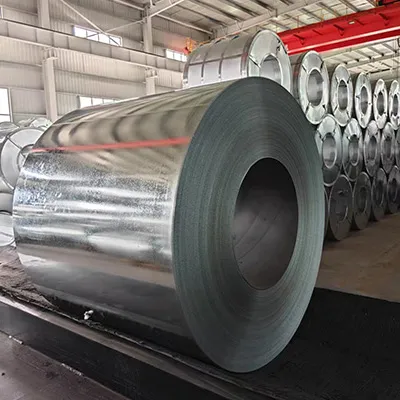
The zinc coating weight for PPGI typically ranges from 30 to 275 g/m². You select the coating weight based on your environment. A lighter coating like Z100 suits ordinary housing construction in standard environments. A heavier coating like Z275 handles highly corrosive conditions such as coastal areas and industrial regions.
The protection mechanism is electrochemical. Zinc is more active than steel. When a scratch or cut edge exposes the base metal, the zinc migrates toward that exposed area and forms a protective layer. This process, called cathodic protection, means the zinc corrodes first instead of your steel substrate. That sacrificial behavior is why PPGI handles cut edges and site damage without rapid rust formation.
Suitability for Standard Applications
For most standard building projects, pre-painted galvanized coils deliver reliable performance. You get good formability, consistent surface quality, and predictable behavior in roll forming. The zinc layer protects the steel effectively in normal atmospheric conditions. If your sandwich panels serve warehouses, factories, or commercial buildings away from aggressive environments, PPGI provides a cost-effective substrate that meets your requirements.
PPGL: Galvalume Steel Substrate
PPGL uses a different metallic coating altogether. Instead of pure zinc, you get an aluminum-zinc alloy that changes the corrosion dynamics completely.
Aluminum-Zinc Alloy Composition
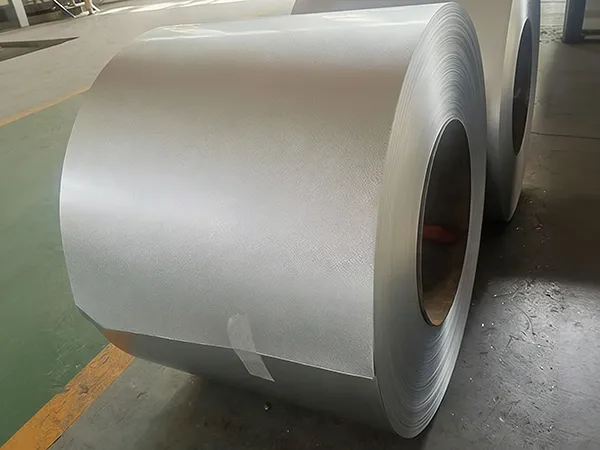
The galvalume coating follows a specific formula: approximately 55% aluminum, 43.4% zinc, and 1.6% silicon. This combination creates a coating with dual protection mechanisms. The aluminum forms a stable, passive barrier. The zinc still provides sacrificial protection at cut edges and scratches. The silicon improves adhesion between the coating and the steel base.
Superior Corrosion and Heat Resistance
The aluminum component forms a dense oxide film that blocks water and oxygen from reaching the steel. This passive protection lasts longer than sacrificial action alone. Under the same environmental conditions—particularly in coastal, industrial, or extreme heat areas—galvalume coils demonstrate corrosion resistance that lasts 1.5 to 2 times longer than PPGI. The alloy also handles higher temperatures without degrading, making PPGL a strong choice for panels exposed to intense sunlight or heat sources.
For your sandwich panel production, this means PPGL offers high corrosion resistance in demanding environments. The trade-off is a slightly higher material cost. You need to weigh that against the extended service life and reduced maintenance costs over the building’s lifetime.
Which Is Better for Sandwich Panel Forming?
The question of which material forms better comes up often. The answer is not a simple choice. Both PPGI and PPGL can form well for metal sandwich panels. The correct material depends on your panel design, your forming conditions, and the mechanical properties you need for the finished product.
Thickness Considerations for Forming
Your panel thickness affects how the material behaves on the roll former. Thinner coils run faster and create lighter panels. Thicker coils produce stronger panels but require more careful setup.
Thin Panels vs. Standard Wall Panels
For thin panels in the range of 0.4 to 0.6 mm, you want a material that bends easily without cracking. Both PPGI and PPGL in soft temper work well here. The thin gauge reduces the load on your roll former and allows higher line speeds. Standard wall panels typically use 0.5 to 0.8 mm steel. This thickness range offers a good balance between weight and strength. You can run either material at these gauges without changing your forming setup. The key is to match the coating weight to your environment, not to the thickness alone.
Roof Panels and Heavy-Duty Applications
Roof panels and structural sandwich panels need thicker material. You often see 0.8 mm to 1.2 mm for these applications. The higher thickness gives the panel better load-bearing capacity. For cold storage panels, the insulation core determines the thermal performance of the panel. PPGL is available in thicker gauges for heavy-duty structural panels, while PPGI typically covers most standard roof profiles. If your line produces cold storage panels or industrial roof panels, you might need the thicker gauge that PPGL provides. The heavier material slows your line speed slightly but delivers a stronger finished product.
Hardness and Yield Strength
The hardness of your coil directly affects how it forms on your line. You need to choose the right temper for your profile and your production speed.
Soft, Medium Hard, and Full Hard Coils
Soft coils offer the best formability. They bend easily around tight radii and handle complex profiles without cracking. Medium hard coils give you a balance between formability and strength. They work well for most standard panel profiles. Full hard coils provide the highest structural strength but require more careful forming. The roll former needs more power, and you must set the rollers precisely to avoid edge cracking. You can learn more about matching hardness to your line in the article How to Choose Steel Coil Hardness for Roll Forming.
Balancing Formability and Structural Performance
Your choice of hardness affects more than just the forming step. Soft coils form easily, but the finished panel might not meet the structural requirements. Full hard coils give you a strong panel, but the forming process becomes harder to control. The best approach is to match the hardness to the panel profile and the end use. A simple wall panel with gentle curves works well with soft or medium hard material. A complex roof profile with tight bends might need the formability of a soft coil. A structural panel that carries load needs the higher yield strength of a full hard coil. You must balance these factors for each project.
The coating and paint system also affect forming behavior. A thicker paint layer can crack when bent too sharply. You need to check the T-bend performance of your paint system against the forming requirements of your profile. This applies to both PPGI and PPGL equally.
PPGI vs PPGL for Metal Sandwich Panels: Application Guide
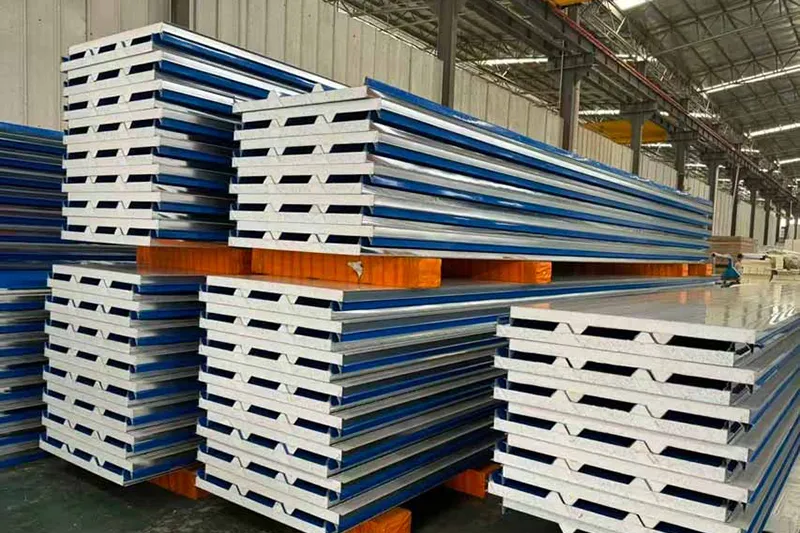
You cannot pick a substrate in isolation. The application environment and your production requirements should drive the decision. A material that performs well for a warehouse wall panel may fail prematurely on a coastal cold storage facility. The matrix below maps common sandwich panel applications to recommended materials and explains the reasoning.
Application Matrix for Sandwich Panels
| Application | Recommended Material | Why |
|---|---|---|
| Standard Wall Panel | PPGI / PPGL | Depends on local climate and exposure |
| Roof Sandwich Panel | PPGI / PPGL | Both work; consider heat reflection needs |
| Exterior Wall Panel | PPGL often worth considering | Better corrosion resistance outdoors |
| Cold Room Panel | PPGI / PPGL | Core insulation matters more than skin |
| PU/PIR Panel | PPGI / PPGL | Coating and forming behavior matter most |
| EPS Sandwich Panel | PPGI / PPGL | Specification dependent |
| Coastal Building | PPGL often preferred | Salt exposure demands higher protection |
| Industrial Building | PPGI / PPGL | Depends on chemical exposure levels |
Wall Panels and Roof Panels
Standard wall panels in inland areas perform well with PPGI. The zinc coating handles normal weather conditions, and you save on material cost. Roof panels face more UV radiation and temperature swings. You might consider PPGL for roof applications because the aluminum-zinc alloy reflects heat better and resists thermal degradation. However, a high-quality paint system on PPGI can also deliver acceptable roof performance. Your decision should factor in the building’s expected service life and maintenance budget.
Cold Storage and Insulated Panels
Cold room panels demand attention to the core material, not just the steel skin. The insulation layer determines the thermal insulation effect. Modern cold storage construction predominantly uses PIR chemistry due to its superior long-term thermal performance and fire resistance. The numbers confirm this choice:
| Core Material | Thermal Conductivity (W/m·K) |
|---|---|
| PIR | 0.018 (best) |
| PUR | 0.022–0.024 |
| Rock Wool | 0.033–0.040 |
| EPS | 0.033–0.038 |
| XPS | 0.030–0.035 |
Lower thermal conductivity means less refrigeration energy consumption over the facility’s lifespan. PIR also offers better fire resistance than PU. For most food-related cold rooms, PU and PIR are preferred, with PIR being the superior choice for long-term performance.
Panels are durable, especially PIR foam doesn’t settle or degrade easily. They offer high resistance against moisture and corrosion and demand less maintenance. If a panel gets damaged, you can replace just that section without disturbing the rest of the room.
Matching Material to Application
Interior vs. Exterior Use
Interior panels face minimal weather exposure. PPGI provides adequate corrosion protection and keeps costs down. You can use lighter zinc coatings for interior applications. Exterior panels need more robust protection. PPGL’s aluminum-zinc alloy creates a passive barrier that blocks oxygen and moisture more effectively than zinc alone. For exterior walls and roofs, evaluate PPGL seriously, especially if the building sits in a demanding environment.
Coastal and Industrial Environments
Coastal areas expose panels to salt spray and chloride corrosion. The aluminum in PPGL’s coating forms a stable oxide film that resists chloride attack better than pure zinc. Industrial environments may introduce chemical fumes that accelerate corrosion. PPGL often outperforms PPGI in these settings. However, you should not over-specify. A standard inland industrial building with moderate exposure may perform perfectly well with PPGI and a suitable paint system. Match the material to the actual risk level, not to a generic assumption about “industrial” meaning “harsh.”
The environment and production requirements should determine the substrate, not a one-size-fits-all answer. Evaluate each project on its own conditions.
How Does the Environment Affect Your Choice?
Your project location determines which substrate makes sense. A warehouse in a dry inland region faces different challenges than a cold storage facility near the coast. You must evaluate the local climate before selecting your steel coil.
Tropical and Humid Areas
High humidity creates persistent problems for building materials. Moisture penetrates panel joints, corrodes exposed edges, and degrades insulation performance over time. You need a strategy that addresses both the steel skin and the core material.
High Humidity and Condensation
Humid air carries moisture that condenses on cooler surfaces. This condensation collects inside your sandwich panels, especially when temperature differences exist between interior and exterior. The trapped moisture accelerates corrosion and promotes mold growth. Your choice of core material matters as much as your steel selection. EPS foam absorbs water and loses its insulating properties quickly in humid conditions. XPS and PU offer superior moisture resistance. Polyurethane with a high closed-cell rate prevents water absorption effectively. XPS with high density provides similar protection. These materials maintain their thermal performance even when exposed to persistent humidity.
Temperature Fluctuations
Tropical climates swing between hot days and cooler nights. This cycle creates expansion and contraction stress on your panels. The steel skin expands and contracts at a different rate than the insulation core. Over time, this movement can crack sealants and create gaps. You should use weather-resistant sealant at all joints and screw holes. Silicone or butyl tape works well for this purpose. You also need to reserve a suitable ventilation gap in enclosed spaces to reduce condensation buildup. Stainless steel or galvanized screws with waterproof gaskets prevent rust-induced moisture channels from forming.
Coastal Areas
Coastal environments present the harshest conditions for metal building materials. Salt spray and chloride exposure attack unprotected steel aggressively. You cannot ignore these factors when planning a coastal project.
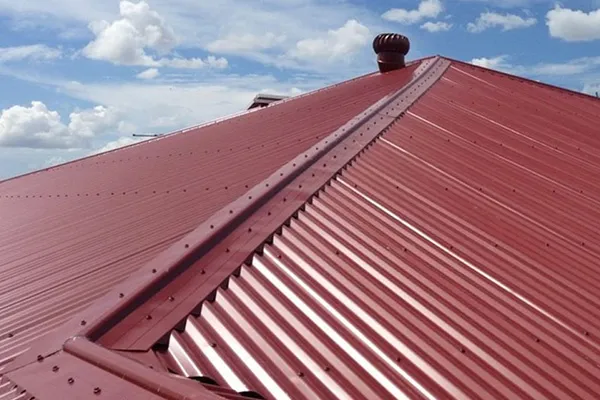
Salt Exposure and Chloride Corrosion
Salt particles in the air settle on panel surfaces. When combined with moisture, they create an electrolytic solution that accelerates corrosion. Chloride ions penetrate protective coatings and attack the underlying metal. This process happens faster than in inland environments. The zinc coating on PPGI provides sacrificial protection, but salt exposure depletes it more quickly. You will see rust formation at cut edges and scratches sooner than you would in a normal climate.
Why PPGL Is Often Preferred
The aluminum-zinc alloy on PPGL offers superior corrosion resistance in coastal settings. Aluminum forms a stable oxide layer that resists chloride attack better than pure zinc. This passive barrier blocks oxygen and moisture from reaching the steel substrate. Many manufacturers specify PPGL for coastal roofing and wall projects. You can read more about this in our article on Why Aluzinc Steel Sheet Is Trusted for Coastal Roofing Projects. The extended service life justifies the slightly higher material cost for buildings exposed to salt spray.
Inland and Normal Environments
Not every project demands premium corrosion protection. Standard inland locations with moderate weather allow you to make cost-effective choices without sacrificing performance.
Cost-Effective Solutions
PPGI serves most inland applications well. The zinc coating provides adequate protection against normal atmospheric conditions. You avoid paying extra for aluminum-zinc alloy when you do not need it. This approach keeps your material cost lower while still delivering reliable panel performance. For budget-conscious projects, PPGI with a suitable paint system offers the best value.
When PPGI Is Sufficient
PPGI provides adequate protection for many years in typical use scenarios. With a Z275 zinc coating, you can expect an extended service life in normal environments. The paint system also affects longevity. Polyester paint provides several years of protection. SMP extends that further. PVDF delivers the longest service life. These characteristics demonstrate that PPGI performs well in standard conditions. You should not over-specify the material if the application does not require it. Match your substrate and coating to the actual environmental risk level.
Paint System Matters as Much as the Substrate
Choosing between PPGI and PPGL is only the first step. The paint system on top of the steel substrate determines how your metal sandwich panels actually perform in the field. A premium substrate with a poor paint system will fail prematurely. A standard substrate with an excellent paint system can last for decades. You need to evaluate both together.
The paint system is not one layer. It includes a primer, a top coat, and a back coat. Each layer has a specific job. The primer bonds to the metal treatment and creates the foundation for paint adhesion. The top coat delivers color, UV resistance, and weather protection. The back coat protects the reverse side from condensation and corrosion, which helps maintain thermal insulation performance over time. Paint thickness also matters. Thicker layers offer more protection but may crack during forming. You need to balance paint thickness with the T-bend requirements of your panel profile.
Common Paint Systems for Sandwich Panels
WitopMaterial offers four main paint systems for your sandwich panel production. Each system targets different performance levels and budgets.
PE (Polyester)
Polyester is the standard entry-level paint system. It provides good color retention and gloss for normal interior applications. PE works well for standard wall panels in moderate climates. The cost is the lowest among all options. You get reliable performance for projects where extreme weather is not a concern.
SMP (Silicone Modified Polyester)
SMP adds silicone to the polyester resin. This modification improves weathering resistance and durability. SMP holds its color longer than PE under sunlight exposure. You should consider SMP for exterior panels in regions with moderate UV levels. The price sits between PE and the higher-end options.
HDP (High Durability Polyester)
HDP is a specially formulated polyester with enhanced durability. It offers better UV resistance and chalk resistance than standard PE or SMP. HDP suits exterior applications where you need longer service life without moving to the premium PVDF system. Many building projects specify HDP for its balance of performance and cost.
PVDF (Polyvinylidene Fluoride)
PVDF is the premium paint system. It contains a high percentage of PVDF resin, typically 70% or more. This chemistry delivers exceptional UV resistance, color retention, and chemical resistance. PVDF lasts for many years in direct sunlight, often exceeding a typical service life. You should specify PVDF for coastal buildings, high-profile projects, and any application where long-term appearance matters most.
How to Choose the Right Paint System
Your choice of paint system depends on the environment and the project budget. You must match the system to the actual exposure conditions.
Matching Paint to Application Environment
Interior panels can use PE paint. The environment is controlled, and UV exposure is minimal. Exterior panels need SMP or better. For standard outdoor conditions, SMP provides adequate protection. For high UV regions or coastal areas, HDP or PVDF is appropriate. The substrate also matters. PPGL with a PVDF coating offers the highest level of protection for demanding environments. PPGI with a good paint system handles standard conditions well.
Balancing Cost and Durability
You always face a trade-off between initial cost and long-term durability. PE costs less but requires replacement sooner. PVDF costs more but extends the service life significantly. You should calculate the total cost of ownership over the building’s expected life. A higher initial investment in the paint system often pays back through reduced maintenance and longer replacement intervals.
Paint adhesion and T-bend performance also affect your choice. A thicker paint layer improves durability but may crack during forming. You need to test your selected paint system on your actual profile to ensure acceptable forming performance. WitopMaterial works with partner brands like Nippon, Akzo Nobel, PPG, Beckers, and KCC to deliver consistent quality across all paint systems.
Thickness and Coil Weight: What Should You Buy?
You cannot order steel coil thickness by guessing. The right gauge depends on your panel design, the insulation core, your forming machine, and the structural demands of the finished building. A thickness that works for one profile may fail on another line.
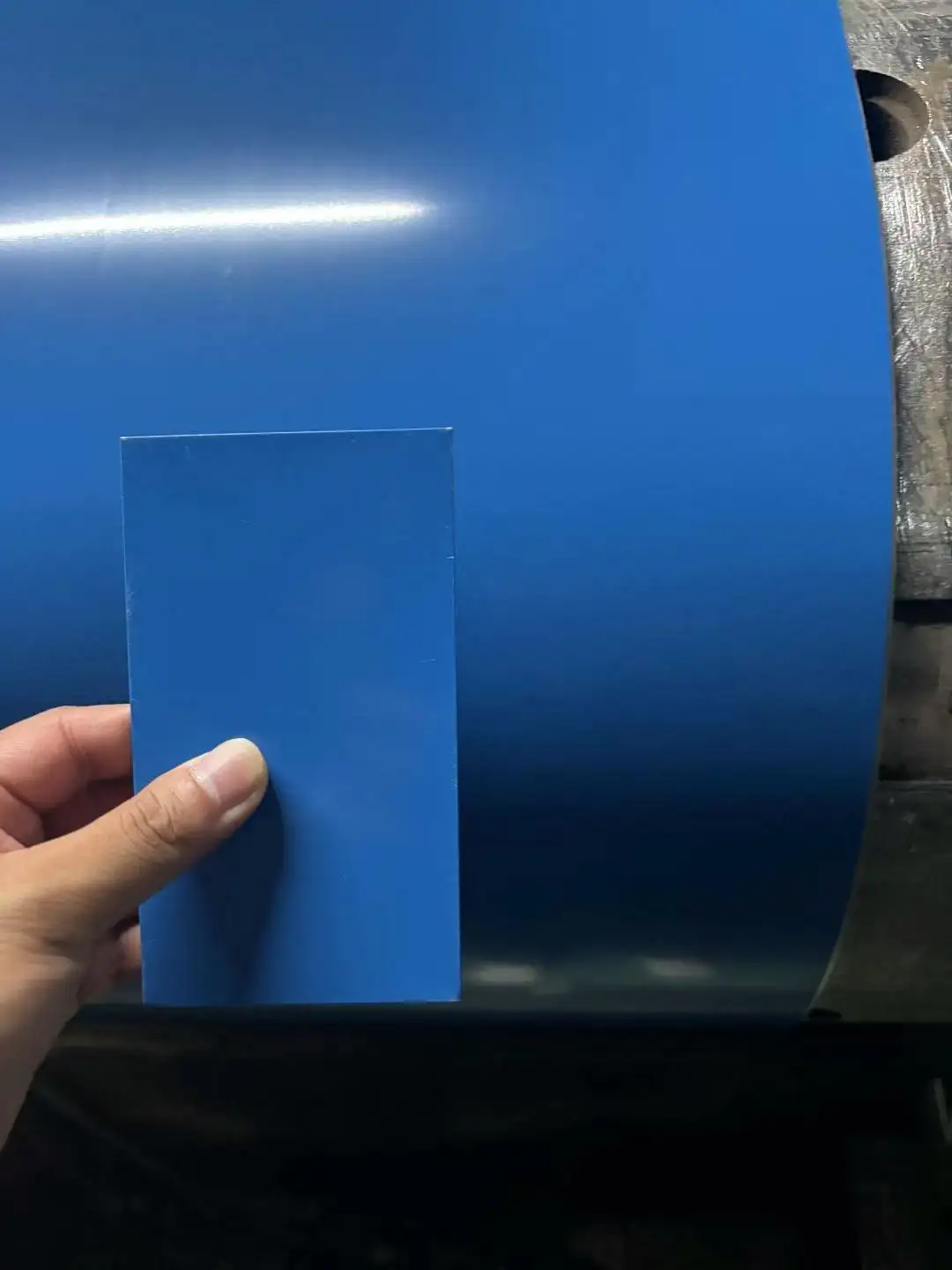
Determining the Right Steel Thickness
Panel Design and Insulation Material
Your panel design sets the minimum steel thickness. The insulation core determines how much load the panel carries. For example, a typical PUR/PIR roof panel specifies steel sheet thickness within a range based on the panel design and load requirements. This range applies across the available panel thicknesses, including the 100mm option. You select within that range based on the building’s span and wind load requirements.
The insulation material also affects your choice. Polyurethane and PIR cores bond tightly to the steel skin, adding rigidity. EPS cores offer less structural support, so you may need thicker steel to achieve the same panel strength. Rock wool panels behave differently again. You must match the steel gauge to the core’s mechanical contribution, not just the panel’s nominal thickness.
Forming Machine and Profile Requirements
Your roll former has limits. Each profile design requires a minimum material thickness to hold its shape. A shallow trapezoidal profile may form well at 0.4 mm. A deep ribbed profile needs 0.6 mm or more to maintain dimensional accuracy. The forming machine’s roller stations also have a working range. Running material too thin for your tooling causes fluttering and inconsistent bends. Running material too thick overloads the drive system and accelerates wear.
The end application matters too. Interior wall panels face minimal loads and can use thinner steel. Roof panels must handle snow, wind uplift, and maintenance traffic. Heavy-duty structural panels require the thickest material your line can handle. You should also check your customer’s specification. Many building projects specify a minimum steel thickness for warranty compliance.
WitopMaterial supplies PPGI from 0.12 mm to 1.5 mm and Galvalume steel in a range of thicknesses as needed. This range covers standard wall panels through heavy structural applications. You choose the thickness that matches your profile and project requirements.
Width and Coil Weight Considerations
Material Utilization and Slitting
Coil width directly affects your material yield. You need to match the coil width to your panel’s finished width plus the trim allowance. Ordering a coil too narrow forces you to run a narrower panel or waste material on edge trimming. Ordering too wide creates excess scrap. Many manufacturers slit master coils to their exact required width. This process adds cost but improves material utilization significantly. You should calculate your yield — good units divided by total units — to see whether slitting pays for itself.
Production Efficiency and Logistics
Coil weight influences how often you stop the line. An 8-ton coil runs longer than a 3-ton coil, reducing changeover downtime. Heavier coils also lower your shipping cost per ton. However, you need adequate crane capacity and storage space. Your uncoiler must handle the maximum coil weight you plan to order. Coil inner diameter matters too — 508 mm and 610 mm are standard options that fit most mandrels.
Transportation logistics also depend on coil weight. A truck carrying 25 tons of coils can hold fewer heavy coils than light ones. You must balance production efficiency against shipping constraints. For most sandwich panel lines, a coil weight between 3 and 8 tons offers a practical balance. You avoid frequent stops without overloading your handling equipment.
PPGI vs PPGL: Which One Should You Choose?
You now understand the technical differences between these two materials. The next step is applying that knowledge to your specific situation. This section gives you a clear decision framework based on your production environment, project requirements, and budget constraints.
When to Choose PPGI
PPGI remains the workhorse material for many sandwich panel manufacturers. It delivers reliable performance at a lower cost. You should evaluate PPGI first for standard projects before considering premium alternatives.
Standard Environments and Budget Projects
Choose PPGI when your panels serve buildings in normal inland conditions. These locations experience moderate rainfall, limited humidity, and no significant salt exposure. A warehouse in a suburban industrial park fits this profile. A commercial building in a dry climate also works well. In these environments, the zinc coating provides adequate corrosion resistance for decades of service. You avoid paying extra for aluminum-zinc alloy when the conditions do not demand it.
Budget constraints often drive material selection. PPGI costs less than PPGL for the same thickness and paint system. This cost difference matters when you quote competitive projects. You can pass the savings to your customer or improve your profit margin. For price-sensitive markets, PPGI gives you the flexibility to win orders without sacrificing quality. The key is matching the zinc coating weight to the actual environmental risk. A Z100 coating suits mild climates. A Z275 coating handles more demanding conditions. You select the coating weight based on the project location, not a generic default.
Optimized Production Lines
Your existing production line may already run optimally with PPGI. The material forms predictably, and your roll former settings are dialed in. Switching to PPGL requires adjusting your forming parameters and possibly your tooling. This change introduces risk and downtime. If your line produces standard wall panels efficiently with PPGI, you have little reason to change. The material’s consistent surface quality and predictable bending behavior keep your scrap rate low. Your operators know how the material responds to different profiles. This familiarity translates into higher throughput and fewer rejected panels.
PPGI also offers a wider range of hardness options that suit various forming requirements. You can order soft temper for complex profiles or full hard for structural panels. This flexibility lets you optimize each production run without changing your material supplier. When your production line is already optimized for galvanized substrate, PPGI keeps your operations smooth and cost-effective.
When to Consider PPGL
PPGL deserves serious consideration when your project faces demanding conditions. The aluminum-zinc alloy coating provides protection that pure zinc cannot match. You should evaluate PPGL for projects where premature failure would be costly.
Demanding Exterior Environments
Coastal areas expose panels to salt spray and chloride corrosion. The aluminum in PPGL’s coating forms a stable oxide layer that resists chloride attack better than zinc alone. This passive barrier blocks oxygen and moisture from reaching the steel substrate. Tropical regions with high humidity and frequent rain also benefit from PPGL’s superior corrosion resistance. The material handles condensation and moisture penetration better than PPGI in these conditions.
Industrial environments may introduce chemical fumes that accelerate corrosion. PPGL’s aluminum-zinc alloy withstands these aggressive exposures more effectively. If your panels serve chemical plants, food processing facilities, or other corrosive settings, PPGL extends the service life significantly. The higher initial cost pays back through reduced maintenance and fewer panel replacements over the building’s lifetime.
Long-Term Service Life Requirements
Some projects demand extended durability. A cold storage facility expected to operate for 30 years needs panels that last as long as the building. PPGL delivers this long-term performance. The aluminum-zinc coating provides corrosion resistance that lasts 1.5 to 2 times longer than PPGI under the same conditions. This extended lifespan reduces the total cost of ownership, even though the initial material cost is higher.
Heat resistance also matters for long-term performance. PPGL handles higher temperatures without degrading. Roof panels exposed to intense sunlight benefit from this property. The aluminum component reflects heat better than zinc, reducing thermal stress on the panel system. This characteristic also helps maintain the insulation performance of your sandwich panels over time. When your customer specifies a 25-year warranty or expects the building to serve multiple generations, PPGL becomes the prudent choice.
Neither material is universally better. The correct choice depends on substrate, coating, paint system, forming requirements, and service environment. Evaluate each project on its own conditions. Match the material to the actual risk level, not to a generic assumption. This approach ensures you deliver panels that perform reliably while keeping your costs competitive.
PPGI vs PPGL Buying Checklist for Sandwich Panel Manufacturers
A structured checklist prevents costly ordering mistakes. You need to confirm every specification before you place your purchase order. Missing one detail can delay your production line or force you to reject an entire shipment. Work through this checklist with your supplier to ensure your coils match your panel line exactly.
Key Specifications to Confirm Before Ordering
Mechanical and Coating Properties
Start with the steel grade. You must specify the base material standard, such as ASTM A755, JIS G3312, or EN 10169. Each standard defines different tolerances and testing methods. Your supplier needs to know which standard your customer requires.
Confirm the thickness and width precisely. Measure your panel profile’s required gauge and the exact coil width you need. Include the tolerance range in your order. A thickness tolerance of ±0.02 mm can affect your roll forming consistency. Width tolerance is typically specified in the order.
Specify the yield strength and tensile strength values. These mechanical properties determine how the steel behaves during forming. A lower yield strength material forms more easily. A higher yield strength material provides better structural performance. Your panel design dictates the correct balance.
Choose the hardness option: soft, medium hard, or full hard. Your roll former setup and profile complexity determine the right temper. Soft coils handle tight bends without cracking. Full hard coils deliver maximum strength but require careful forming parameters.
State the zinc or aluminum-zinc coating weight. For PPGI, specify the zinc coating in g/m², such as Z100 or Z275. For PPGL, confirm the aluminum-zinc alloy coating weight. The coating weight directly affects corrosion resistance and service life.
Paint and Surface Finish
Select the paint system: PE, SMP, HDP, or PVDF. Each system offers different durability and UV resistance levels. Match the paint system to your application environment, not just your budget.
Specify the paint thickness for both top coat and back coat. Top coat thickness typically ranges from 10 to 30 microns. Back coat thickness ranges from 5 to 20 microns. Thicker paint improves durability but may reduce formability.
Confirm the paint brand. WitopMaterial works with Nippon, Akzo Nobel, PPG, Beckers, and KCC. Each brand has its own quality standards and performance characteristics. Your customer may specify a particular brand for warranty compliance.
Provide the exact color or RAL number. Color consistency matters for building aesthetics. Request a color sample before mass production. Confirm the gloss level, typically between 40 and 80 gloss units. Surface finish options include smooth, matte, or textured patterns.
Logistics and Quality Assurance

Coil Weight, Packaging, and Shipping
Determine the coil weight you can handle. Standard options range from 3 to 8 tons. Heavier coils reduce changeover downtime but require adequate crane capacity. Confirm the coil inner diameter, either 508 mm or 610 mm, to match your uncoiler mandrel.
Specify the packaging requirements. Coils need proper wrapping to prevent moisture damage during ocean shipping. Confirm whether you need wooden pallets, steel frames, or waterproof paper wrapping. Discuss the loading method for containers or flat racks.
Documentation and Inspection
Request the Mill Test Certificate (MTC) with every shipment. This document certifies the chemical composition and mechanical properties of the steel. Your quality team needs this for incoming inspection and traceability.
Agree on inspection requirements before shipment. You can request third-party inspection or rely on the supplier’s quality control reports. Specify which tests you want performed: coating weight measurement, paint adhesion tests, T-bend tests, or hardness verification. Clear inspection criteria prevent disputes at the port.
Confirm the documentation package: commercial invoice, packing list, bill of lading, and certificate of origin. These documents ensure smooth customs clearance and payment processing.
Questions to Ask Your Steel Coil Supplier
When you evaluate a steel coil supplier for your sandwich production line, you need specific answers. Do not rely on general promises. Ask direct questions about material properties and quality control. Each question helps you avoid costly mismatches between your order and your production requirements. A thorough evaluation saves time, money, and production delays.
Essential Questions for Supplier Evaluation
Material and Coating Guarantees
Start with the substrate. Ask whether the coil uses galvanized or galvalume material. This question determines the base corrosion protection you get.
A galvanized coil performs well in standard environments. A galvalume coil offers better resistance in coastal areas. Request the exact coating weight in grams per square meter. A Z100 coating differs from a Z275 coating in performance and cost.
Your supplier should guarantee the minimum coating weight, not just the nominal value. Confirm the grade matches your forming requirements. Your roll former needs a specific yield strength range for consistent bending. Ask about hardness options. Soft, medium hard, or full hard — each affects how the material bends on your line.
The hardness directly affects how your roll former handles the coil. Discuss the paint system. You need to know the paint brand, the top coat thickness, and the back coat specification. PPGI and PPGL both accept the same paint systems. The substrate choice, however, affects long-term durability. Request the Mill Test Certificate (MTC) with every order. This document proves the chemical composition and mechanical properties match your specification. Without it, you cannot verify the material meets your standards.
Production and Quality Control Capabilities
Ask about inspection procedures. Does the supplier perform coating weight tests, paint adhesion tests, and T-bend tests before shipment? A supplier with rigorous testing procedures delivers consistent quality. These tests simulate real-world conditions and verify paint performance. You need assurance that the material will form correctly on your sandwich line. Confirm the supplier can match your exact RAL color.
Color variation between batches creates problems for building aesthetics. Request a color sample and a spectrophotometer reading before mass production. Discuss width tolerance. A typical tolerance is ±2 mm. A tighter tolerance reduces scrap and improves material utilization on your line. Ask what tolerance the supplier can guarantee. Ask how the supplier protects coils during ocean shipping. Proper packaging prevents moisture damage and edge corrosion during transit. The insulation layer of the panel relies on clean, undamaged surfaces for proper adhesion.
These questions separate reliable suppliers from those who cannot deliver consistent quality. WitopMaterial provides detailed information on its Quality Control procedures, Packaging standards, and Project Case studies. You can verify these capabilities before placing your order. Investing time in supplier evaluation ensures your production runs smoothly and your finished panels meet customer expectations.
PPGI vs PPGL for Sandwich Panel: Quick Decision Guide
You have worked through the technical details. Now you need a practical framework to make your final call. This section condenses everything into a simple decision table. Use it when you quote a project or plan your next coil order.
Quick Decision Table
The table below pairs common requirements with the material you should evaluate. It does not give you a single answer. It points you toward the right starting point for your analysis.
| Your Requirement | Consider |
|---|---|
| Standard indoor / normal environment | PPGI |
| Standard exterior panel | PPGI / PPGL |
| High humidity | PPGL worth considering |
| Coastal environment | PPGL often worth considering |
| Strong forming requirement | Evaluate grade + hardness |
| High UV requirement | Focus on paint system |
| Cost-sensitive application | Compare total cost |
| Long service-life requirement | Evaluate PPGL + suitable paint |
Environment-Based Recommendations
Start by defining your installation environment. This single step eliminates half of your options. An inland warehouse with moderate weather does not need premium corrosion resistance. PPGI handles this condition well and keeps your material cost low. A coastal building faces salt spray and chloride exposure. The aluminum-zinc alloy on PPGL resists these attacks far better than pure zinc. You should specify PPGL for any project within a few kilometers of the ocean.
Industrial environments present another challenge. Chemical fumes and airborne pollutants accelerate corrosion on standard galvanized steel. PPGL’s passive aluminum oxide layer blocks these aggressive agents more effectively. For high humidity regions, condensation becomes your enemy. Moisture collects on panel surfaces and seeps into joints. PPGL’s superior corrosion resistance gives you a longer service life in these conditions. You pay a premium over PPGI at equivalent specifications, but the extended durability often justifies that difference.
Performance-Based Recommendations
Your service life requirement shapes the decision more than any other factor. For temporary structures or products with a lifespan under 10 years, PPGI delivers adequate protection. You avoid overspending on material that outlives the building itself. For permanent structures designed to last 15–20 years, PPGL becomes the more cost-effective choice. The initial price difference disappears when you spread it across two decades of reliable performance.
Your fabrication process matters too. If your production involves heavy cutting, punching, or roll-forming, PPGI offers a genuine advantage. The zinc coating provides cathodic protection at cut edges. When a shear blade exposes bare steel, the surrounding zinc corrodes first, keeping the base metal intact. This sacrificial action protects your panels during fabrication and installation. PPGL relies more on passive protection, which works well on intact surfaces but offers less edge protection.
Your budget sets the final boundary. Compare total lifecycle cost, not just purchase price. A cheaper PPGI coil that fails after 10 years costs more than a PPGL coil that lasts 20 years. Factor in replacement labor, production downtime, and customer dissatisfaction. For high-UV environments, specify a high-durability or PVDF paint system regardless of your substrate choice. The paint system controls color retention and chalk resistance, while the substrate handles corrosion. Both PPGI and PPGL accept the same paint systems, so you can match your coating to the sun exposure without changing your material selection.
The quick decision table gives you a starting point. Your environment, service life, fabrication process, and budget refine that starting point into the right specification for your sandwich panel production.
The question from ppgi vs ppgl for sandwich panel production: which steel coil should you choose? does not have a single correct answer. The best material matches your design, forming process, service environment, and target service life. Evaluate your project’s specific environment, budget, and lifespan requirements carefully. Neither the cheapest option nor the most corrosion-resistant one automatically wins. The right choice balances all these factors for your unique situation.
Need help choosing the right material for your sandwich production? Provide your application, thickness, width, grade, coating requirement, paint system, and monthly consumption. Our team will give you a recommendation based on your specific needs and production requirements.
FAQ
Is PPGL better than PPGI for sandwich panels?
Neither material wins universally. PPGL offers superior corrosion resistance in coastal or humid environments. PPGI costs less and forms well in standard conditions. Your project environment and budget determine the right choice. Match the substrate to the actual exposure risk, not to a general preference.
Can PPGI be used for PU sandwich panels?
Yes. PPGI works well with polyurethane cores. The paint system and forming behavior matter more than the substrate for PU panels. Choose a paint system that withstands your environment. Ensure the steel thickness matches your panel profile and structural requirements.
What thickness of PPGI is used for sandwich panels?
Standard wall panels typically use a thin gauge, while roof panels often require a thicker gauge for structural strength. Your panel design, insulation core, and forming machine determine the exact gauge. WitopMaterial supplies PPGI from 0.12 to 1.5 mm.
What paint system is best for sandwich panels?
PE suits interior panels and budget projects. SMP handles moderate exterior conditions. HDP offers better UV resistance for demanding outdoor use. PVDF delivers the longest service life for coastal or high-sun areas. Match the paint system to your environment and expected building lifespan.
Is PPGL suitable for coastal sandwich panels?
Yes. The aluminum-zinc alloy coating resists chloride corrosion better than pure zinc. PPGL forms a passive oxide barrier that blocks salt and moisture. This protection extends panel service life significantly near the ocean. Consider PPGL for any coastal project.
Does steel hardness affect sandwich panel production?
Yes. Soft coils bend easily around tight profiles. Medium hard coils balance formability and strength. Full hard coils deliver maximum structural performance but require careful roll forming setup. Match hardness to your profile complexity and the finished panel’s load requirements.
How do I choose between PPGI and PPGL for my panel line?
Evaluate your environment first. Standard inland projects work well with PPGI. Coastal or high-humidity areas justify PPGL’s higher cost. Then consider your forming process and paint system. The question “ppgi vs ppgl for sandwich panel production: which steel coil should you choose?” has no single answer. Your specific conditions decide.