

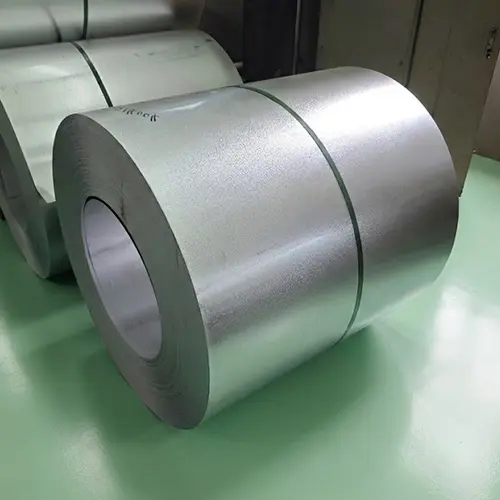
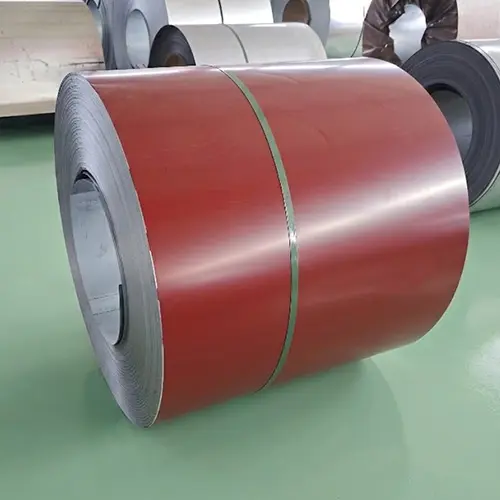

Accurate thickness in roofing sheets is crucial for achieving stable production and high quality, which is why understanding how thickness tolerance affects roofing sheet production stability is essential. By controlling material thickness, you enhance durability and performance. Automated quality control systems play a vital role in maintaining the recommended thickness ranges for roofing sheets. Consistent material thickness not only leads to reliable roofing solutions but also improves long-term performance and durability by adhering to standards like BS EN 12588 and keeping deviation within ±5%.
Moreover, consistent thickness enhances customer satisfaction. Proper thickness tolerance supports better design and installation. Ultimately, quality roofing sheets depend on accurate material selection and monitoring, highlighting the importance of thickness tolerance in the production process.

Key Takeaways
- Understanding thickness tolerance is essential for producing high-quality roofing sheets. It ensures durability and performance.
- Automated quality control systems help maintain consistent thickness, reducing waste and improving production efficiency.
- Selecting the right gauge of roofing sheets based on application is crucial. Thicker sheets offer better strength for industrial use.
- Regular training for operators enhances their ability to monitor thickness and maintain production quality.
- Implementing standard operating procedures (SOPs) ensures consistent practices and reduces errors in production.
- Conducting regular process audits helps identify and correct thickness tolerance issues before they escalate.
- Using real-time thickness measurement technologies, like ultrasonic and laser systems, improves accuracy and reduces scrap.
- Investing in quality materials with proper thickness tolerance leads to long-term savings and fewer maintenance costs.
Roofing Sheet Thickness and Tolerance

What Is Thickness Tolerance?
You need to understand thickness tolerance when working with roofing sheet thickness. Thickness tolerance refers to the acceptable range of variation in the thickness of roofing sheets during production. Manufacturers set this range to ensure each sheet meets quality standards. If you keep thickness tolerance within limits, you help maintain the strength and performance of the sheets. This control also supports consistent installation and long-term durability. When you use pre-painted metal sheets or unpainted metal sheets, thickness tolerance becomes even more important because it affects how the sheets fit and perform on the roof.
Recommended Roofing Sheet Thickness
Industry Standards
Industry guidelines provide clear recommendations for roofing sheet thickness. You can use the following table to compare common gauges and their suitable applications:
| Gauge | Thickness (inches) | Suitable Applications |
|---|---|---|
| 24 | 0.0223 | Industrial and commercial buildings |
| 26 | 0.0179 | Residential and light commercial buildings |
| 28 | 0.0149 | Budget-conscious projects or minimal exposure areas |
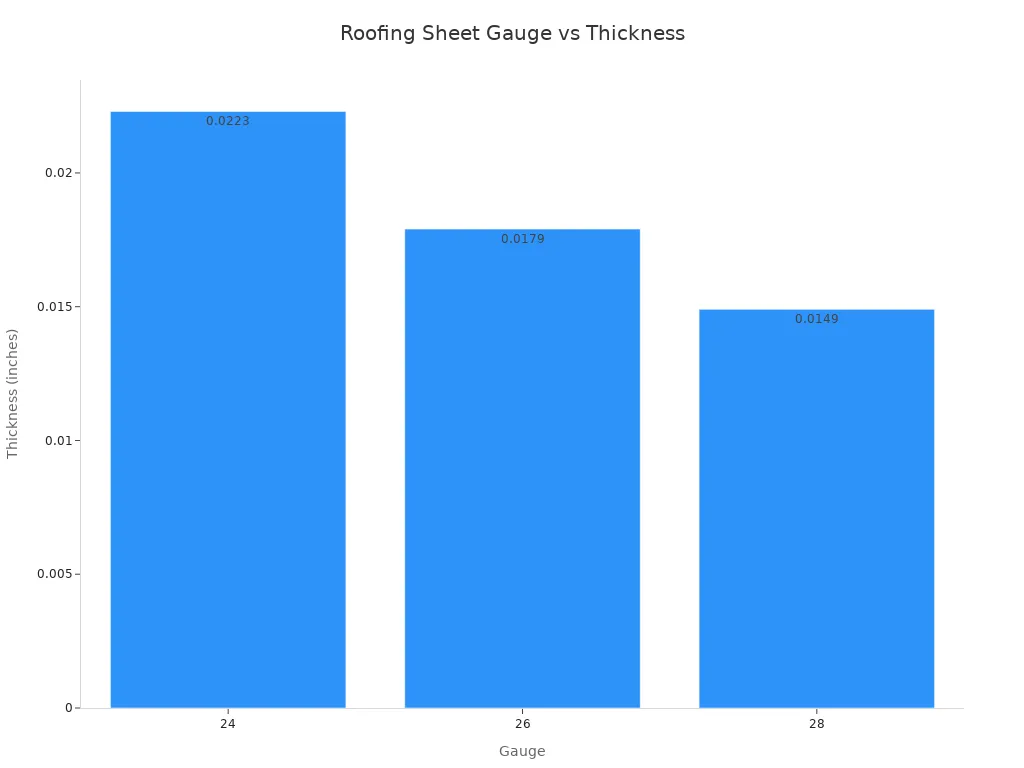
You should select the right gauge based on the building type and the expected wind resistance. Thicker sheets, such as 24 gauge, offer more strength for industrial settings. Thinner sheets, like 28 gauge, work well for areas with less exposure.
Performance Factors
Roofing sheet thickness and application go hand in hand. Thicker sheets provide better durability and wind resistance. Thinner sheets may suit projects where flexibility or cost savings matter more. The performance of pre-painted metal sheets depends on both thickness and application. You should always check material certification to confirm that the sheets meet industry standards. This step ensures you get quality roofing sheets that last longer and perform well under different conditions.
Material Selection for Quality Roofing Sheets
When you choose roofing materials, you must consider both the type of material and its thickness tolerance. Common options include:
- Steel and profiled metal roofing sheets for large-span roofs and efficient installation.
- Built-up bitumen systems for robust applications and refurbishment projects.
- Liquid-applied waterproofing for complex roofs with many penetrations.
- Composite roof panels and fibre-cement sheets for specific performance needs.
Material selection affects thickness tolerance because each material has a different strength-to-weight ratio and flexibility. For example, pre-painted metal sheets often require precise thickness control to maintain color and coating quality. Thicker materials may be necessary for areas with high stress or heavy loads. Environmental factors, such as temperature changes and moisture, also influence your choice of roofing sheet thickness and application. Always look for quality roofing sheets that match your project’s needs and meet all certification requirements.
How Thickness Tolerance Affects Roofing Sheet Production Stability
Impact on Manufacturing Efficiency
You need to control thickness tolerance to keep your roofing sheet production stable. When you manage thickness well, you reduce waste and keep your machines running smoothly. If you let thickness vary too much, you will see more scrap material and more downtime. This can slow down your entire operation and increase costs.
Here is a table that shows how thickness variation affects your factory:
| Impact Type | Description |
|---|---|
| Increased Scrap Rates | Thickness variation leads to higher scrap material due to misfolds. |
| Production Downtime | Unplanned downtime is reduced with improved handling and tighter tolerances. |
| Cost Control | Lower scrap rates contribute to overall cost efficiency in production. |
You can see that tighter thickness tolerance helps you avoid mistakes during forming and cutting. This means you spend less time fixing errors and more time making quality roofing sheets. You also save money because you use less material and reduce the number of rejected products. When you focus on how thickness tolerance affects roofing sheet production stability, you improve your factory’s output and keep your customers happy.
Effects on Profile Geometry and Surface Quality
You must pay attention to thickness if you want your roofing sheets to have the right shape and a smooth surface. Thickness tolerance plays a big role in how well the sheets hold their profile. If you use thicker sheets with consistent thickness, you get better profile accuracy and fewer defects. This leads to improved roof performance because the sheets fit together well and create a tight seal.
When thickness varies, you may see problems like uneven edges, warping, or surface marks. These issues can make installation harder and reduce the overall look of the roof. Thicker sheets with stable thickness help you avoid these problems. You get clean lines and a uniform appearance, which boosts the value of your finished product. You also make sure that the sheets provide good resistance to weather and mechanical stress. This is another way how thickness tolerance affects roofing sheet production stability and ensures long-term performance.
Durability and Strength of Roofing Sheets
You want your roofing sheets to last a long time and stand up to tough conditions. Thicker sheets with proper thickness tolerance give you better durability and strength. Laboratory tests show that as you increase the thickness of roofing sheets, you reduce the loss in tensile strength. This means your sheets perform better over time and resist damage from UV rays and weather.
- The loss in tensile strength is reduced as the thickness of the roofing sheets increases, indicating improved performance.
- Increased thickness results in reduced percentage loss in mechanical performance, suggesting better resistance to UV degradation.
- Thicker HPS products demonstrate improved performance under testing conditions.
When you use thicker sheets, you get higher resistance to bending, impact, and corrosion. This leads to better roof performance and fewer repairs. You also improve the strength of the roof structure, which is important for safety and long-term value. By understanding how thickness tolerance affects roofing sheet production stability, you make smart choices that protect your investment and deliver reliable results.
Economic Benefits of Proper Thickness
You gain several economic advantages when you maintain proper thickness tolerance in roofing sheet production. Accurate thickness control helps you reduce material waste and improve profitability. CNC press brakes bend sheet metal precisely, so you use resources efficiently and minimize scrap. This process allows you to test new designs quickly, optimize blank sizes, and keep waste low.
Choosing quality roofing sheets with consistent thickness leads to lower total lifecycle costs. You spend less on maintenance and repairs because durable materials resist damage and wear. The right roofing solution can significantly reduce expenses over the roof’s lifespan. You avoid unexpected repairs and structural issues, which saves money and keeps your project on budget.
Tip: Investing in high-quality roofing sheets with proper thickness tolerance may cost more upfront, but you benefit from long-term savings and fewer warranty claims.
Here is a table that shows the main economic benefits you receive:
| Economic Benefit | Description |
|---|---|
| Reduced Maintenance Costs | High-quality roofing materials require less maintenance, lowering costs over time. |
| Fewer Repairs | Durable materials minimize unexpected repairs and reduce costs from damage. |
| Long-term Cost Savings | Higher initial investment leads to savings from reduced maintenance and repairs. |
You also see increased profitability when you keep thickness tolerance tight. Efficient use of materials means you produce more roofing sheets with less waste. You control costs and improve your bottom line. Proper thickness tolerance supports durability, so you deliver reliable roofing solutions that last longer and perform better.
- You reduce material waste by using CNC press brakes for accurate bending.
- Efficient resource use leads to cost savings in roofing sheet production.
- Quick testing and optimized designs help you minimize scrap and maximize output.
When you focus on proper thickness tolerance, you make smart financial decisions. You protect your investment, improve customer satisfaction, and ensure your roofing sheets provide lasting value.
Quality Control in Roofing Sheet Production
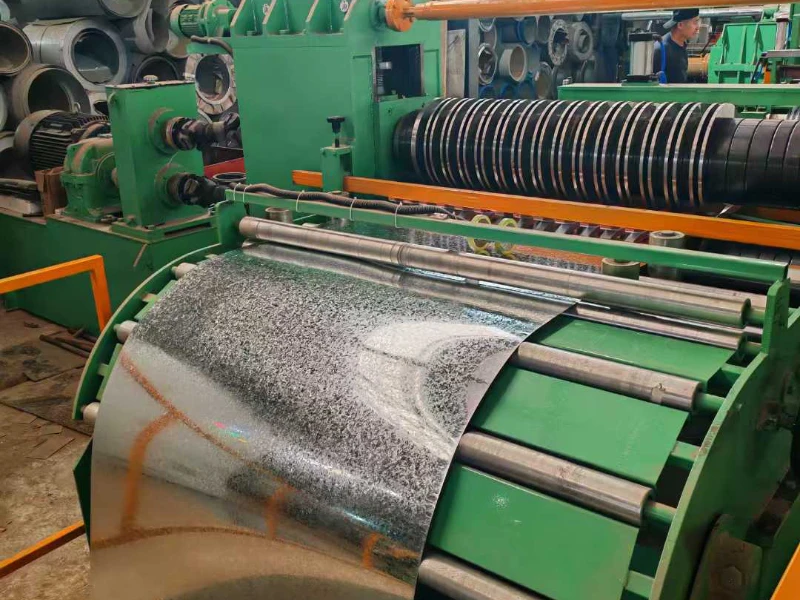
Automated Quality Checks
You can improve roofing sheet production by using automated quality checks. These systems inspect sheets continuously during manufacturing. They detect defects early, such as thickness variations or surface flaws. Automated checks help you maintain consistent quality without slowing down production. You reduce human error and catch problems before they affect the final product. This approach saves time and lowers costs by preventing scrap and rework. When you rely on automated quality evaluation, you ensure that every sheet meets your standards.
Real-Time Thickness Measurement
Real-time thickness measurement plays a key role in quality control. These systems measure the thickness and basis weight of roofing sheets instantly as they move through production. You get precise data that helps you keep thickness within the desired tolerance. This accuracy improves product consistency and reduces material waste. When thickness stays stable, you avoid costly errors and maintain the strength and durability of your roofing sheets.
Ultrasonic and Laser Systems
Two common technologies for real-time thickness measurement are ultrasonic and laser systems. Ultrasonic sensors send sound waves through the material and measure the time it takes to return. This method works well for metals and coated sheets. Laser systems use light beams to scan the sheet surface and calculate thickness based on reflection. Both systems provide fast, non-contact measurements that do not interrupt production.
You can choose the best system based on your material type and production speed. Ultrasonic systems excel with thicker or coated sheets, while laser systems offer high precision for thin materials. Using these technologies helps you maintain tight thickness control and improve overall roofing sheet quality.
Calibration and Maintenance
To keep your quality control systems accurate, you must perform regular calibration and maintenance. Calibration ensures that measurement devices give correct readings. You should schedule calibration checks according to manufacturer guidelines or production demands. Maintenance includes cleaning sensors, checking connections, and updating software.
Neglecting calibration or maintenance can lead to incorrect thickness readings. This mistake causes poor quality evaluation and increases scrap rates. By staying proactive, you protect your investment in quality control equipment. You also guarantee that your roofing sheets meet thickness specifications consistently.
Tip: Establish a routine calibration and maintenance plan to avoid unexpected downtime and maintain high-quality roofing sheets.
By combining automated quality checks, real-time thickness measurement, and proper calibration, you create a robust quality control system. This system helps you produce roofing sheets with consistent thickness and excellent material properties. You improve customer satisfaction and reduce production costs by minimizing waste and defects.
Ensuring Consistent Roofing Sheet Thickness
Operator Training
You play a key role in maintaining consistent thickness during roofing projects. Proper training helps you understand how to monitor and adjust production settings. You learn to spot early signs of variation and take action before problems grow. Training programs teach you how to use measurement tools and automated systems. You gain skills in reading thickness data and interpreting quality reports. When you know how to handle equipment, you improve the quality of roofing sheets and boost durability. You also reduce mistakes and keep production stable.
Tip: Regular refresher courses help you stay updated on new technology and best practices for roofing projects.
Standard Operating Procedures
You need clear standard operating procedures to ensure consistent thickness in roofing projects. SOPs outline step-by-step actions for every stage of production. You follow these instructions to set up machines, check material quality, and measure thickness. SOPs guide you on how to respond when you see deviations. You use checklists to confirm that each process meets quality standards. Well-written SOPs help you avoid confusion and keep production efficient.
Here is a sample checklist for maintaining thickness in roofing projects:
| Step | Action |
|---|---|
| Machine Setup | Adjust settings for target thickness |
| Material Inspection | Check material quality before production |
| Measurement | Use tools to verify thickness regularly |
| Documentation | Record results and report any deviations |
You rely on SOPs to maintain quality and consistency. You also protect your investment by reducing waste and preventing costly errors.
Process Audits
You conduct process audits to check if production meets thickness requirements. Audits involve reviewing records, inspecting equipment, and observing operations. You identify areas where quality may slip and suggest improvements. Audits help you catch small issues before they become big problems. You use audit results to update SOPs and training programs. This cycle keeps roofing projects running smoothly and ensures sheets meet durability standards.
- You schedule audits at regular intervals.
- You involve both operators and supervisors in the review.
- You track corrective actions and measure their impact.
Note: Consistent audits support long-term investment benefits by maintaining high quality and reducing repair costs in roofing projects.
You build a strong foundation for quality roofing by combining operator training, SOPs, and process audits. You ensure that thickness stays within tolerance, which leads to reliable roofing sheets and successful roofing projects.
Troubleshooting Thickness Tolerance Issues
Identifying Root Causes
You need to find the reasons behind thickness tolerance problems to keep your roofing sheet production stable. Start by checking your data from the manufacturing process. Look for patterns that show where errors happen most often. Use gauge instruments to measure uniformity in thickness and dimensions. Compare results from different batches to spot material variability. This helps you see if changes in manufacturing affect mechanical properties and consistency.
| Key Metrics | Description |
|---|---|
| Installation Precision | Utilization of gauge instruments to measure uniformity in thickness and dimensions. |
| Material Variability | Differences in manufacturing processes affecting mechanical properties and consistency. |
You can use this table to track key metrics and find recurring issues. When you analyze these numbers, you get a clear picture of what needs improvement. You also learn which steps in your process cause the most variation.
Corrective Actions
Once you know the root causes, you must take action to fix them. Adjust your machine settings to improve thickness control. Replace worn parts that affect sheet uniformity. Train your team to follow standard procedures and use measurement tools correctly. If you see a problem with material variability, work with your supplier to get more consistent materials.
Tip: Keep a log of all corrective actions. Review it regularly to see which solutions work best.
You can also run small tests to check if your changes improve sheet quality. Use feedback from these tests to refine your process. This approach helps you solve problems quickly and keeps your production stable.
Preventive Measures
You protect your roofing sheet factory from future thickness tolerance issues by using preventive strategies. Implement planned maintenance programs and conduct regular inspections. These practices help you find minor issues before they become major problems. You reduce the risk of thickness variation by keeping your machines in good condition and checking them often.
Set up a schedule for maintenance and inspections. Make sure your team knows how to spot early signs of trouble. Use checklists to confirm that every step meets quality standards. When you stay proactive, you avoid costly repairs and keep your roofing sheets reliable.
Note: Preventive measures save time and money by stopping problems before they affect your production.
You build a strong foundation for quality by identifying root causes, taking corrective actions, and using preventive measures. This approach ensures your roofing sheets meet thickness requirements and deliver lasting performance.
You can achieve stable roofing production when you manage thickness tolerance carefully. Automated quality control helps you spot issues early. Material selection and consistent monitoring improve the strength of roofing sheets. Proactive management leads to better durability and performance. You also gain economic benefits by reducing waste and avoiding costly repairs.
- Automated systems boost reliability.
- Careful material choices support long-lasting roofing.
Tip: Regular checks help you maintain high standards and protect your investment.
FAQ
What is thickness tolerance in roofing sheet production?
Thickness tolerance means the allowed variation in sheet thickness during manufacturing. You must keep this range tight to ensure quality and durability.
Why does thickness tolerance matter for roofing sheets?
You need proper thickness tolerance to prevent weak spots and defects. Accurate thickness helps your roofing sheets last longer and perform better.
How can you measure roofing sheet thickness accurately?
You can use ultrasonic or laser systems for real-time measurement. These tools give you precise data and help you maintain consistent thickness.
What happens if roofing sheets fall outside thickness tolerance?
You may see increased waste, poor roof performance, and higher repair costs. Sheets that do not meet tolerance often fail industry standards.
How often should you calibrate thickness measurement equipment?
You should follow manufacturer guidelines and schedule regular calibration. Frequent checks keep your measurements accurate and your production stable.
Can you improve thickness consistency with operator training?
Yes. Training helps you spot early signs of variation and use measurement tools correctly. Well-trained operators keep your roofing sheets within tolerance.