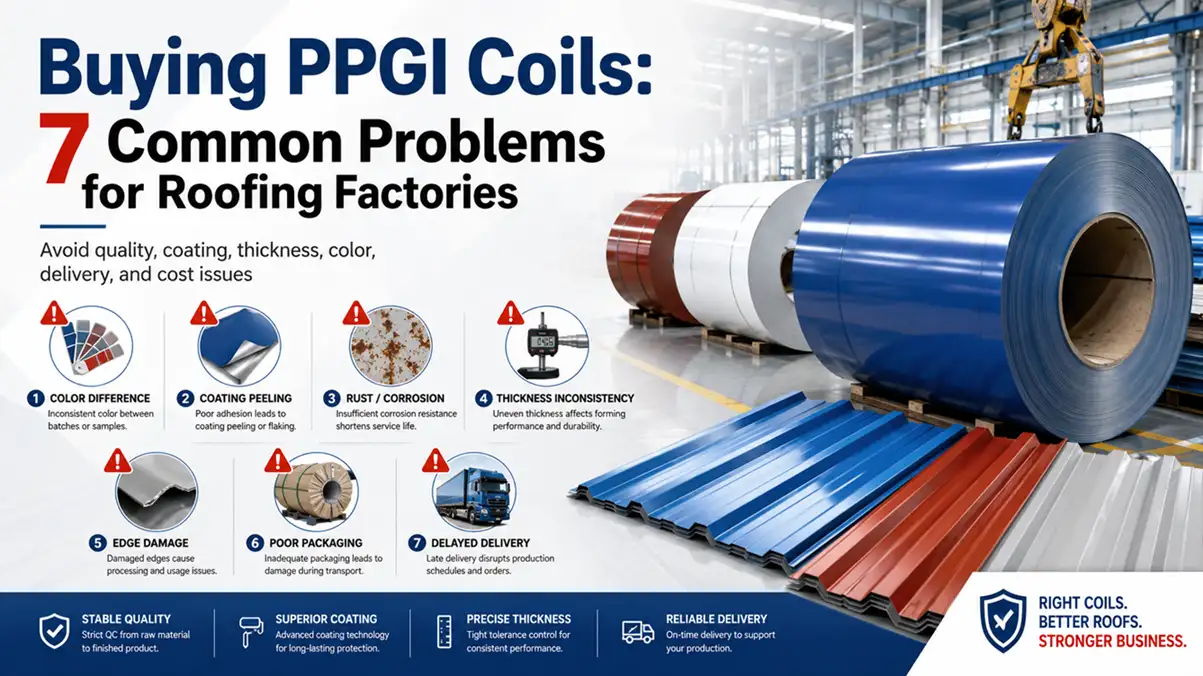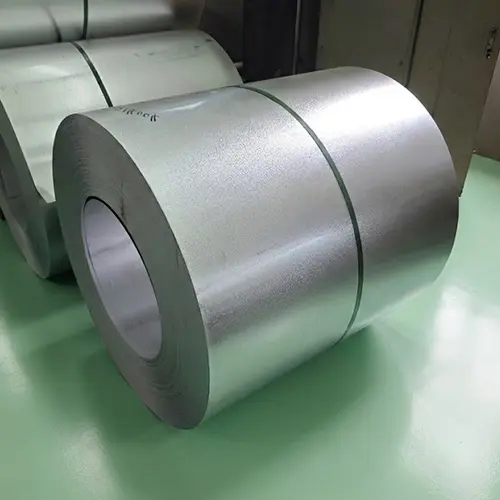
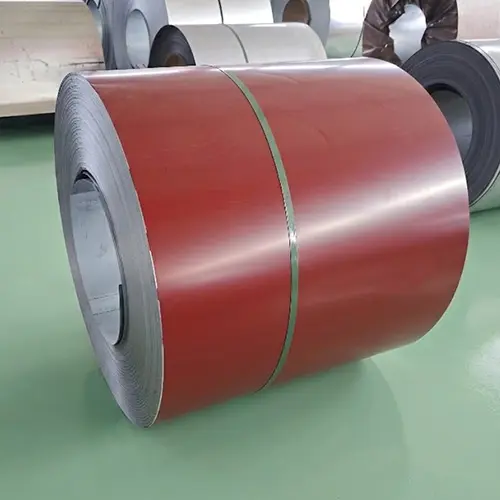

You often face challenges when buying PPGI coils for your roofing factory. The 7 Common Problems Roofing Factories Face When Buying PPGI Coils can disrupt your production and lower your product quality. Recognizing these issues helps you improve quality control and boost efficiency. Common problems include uneven coating, surface defects like bubbles or scratches, and insufficient strength. These issues can cause poor corrosion resistance, weak durability, and a shorter lifespan for your products. Think about your own experience with coil procurement and see if you have noticed similar problems.
Key Takeaways
- Scuffing and scratching can damage the protective coating on buying PPGI coils, leading to rust. Handle coils carefully to avoid these issues.
- Poor coating adhesion can cause paint to peel, exposing steel to moisture. Ensure proper surface preparation and coating processes.
- Missed coating areas create entry points for moisture, leading to corrosion. Inspect coils thoroughly before installation.
- Color differences can affect the visual appeal of roofing products. Always request color samples and check them under natural light.
- Edge wave can complicate installation and lead to leaks. Inspect coil edges for flatness before use.
- Shrinkage cavities weaken the protective layer of coils. Reject any coils with visible cratering to maintain quality.
- Vague specifications can lead to misunderstandings with suppliers. Use clear, precise terms in written orders to avoid errors.
- Building strong partnerships with reliable suppliers can help manage logistics and reduce delays. Communicate regularly to ensure smooth operations.
7 Common Problems Roofing Factories Face When Buying PPGI Coils
Scuffing and Scratching

Causes of Surface Damage
You often see scuffing and scratching as one of the 7 common problems roofing factories face when buying ppgi coil. These metal roofing problems usually happen during handling, transportation, or installation. Installers sometimes scratch the surface while moving the coils. Even minor scratches can become major problems. Scratches that penetrate the paint layer allow moisture to reach the steel. This leads to rust and weakens the roofing.
- Scratches that penetrate the paint can lead to rust formation.
- Even minor scratches can affect the visual appeal and serve as potential corrosion entry points.
- Installers are noted as a common source of scratches during the handling and installation of PPGI coils.
Effects on Roofing Quality
Scuffing and scratching can significantly impact the performance and lifespan of roofing products made from PPGI coils by damaging the protective coating, which can lead to corrosion and reduced durability. Improper handling during manufacturing, transportation, or installation can result in surface-level damage that compromises the integrity of the roofing material.
You must pay attention to these problems because they reduce the value of your roofing. Damaged surfaces make your products look less attractive. These metal roofing problems also create weak spots that allow water to enter. Over time, corrosion spreads and shortens the lifespan of your roofing. You need to address these common issues to maintain high quality.
Poor Coating Adhesion
Why Adhesion Fails
Poor coating adhesion stands out as another of the 7 common problems roofing factories face when buying ppgi coils. You may notice the paint layer peeling or flaking off. This happens when the surface preparation is not thorough. Sometimes, the coating process uses the wrong temperature or chemicals. These problems cause the paint to lose grip on the steel. You see metal roofing problems when the paint does not stick well.
Impact on Durability
When the coating fails to adhere, your roofing faces serious problems. The paint layer protects the steel from moisture and chemicals. If the paint peels, the steel becomes exposed. Corrosion starts quickly and spreads. You lose durability and must replace roofing sooner. These metal roofing problems increase your costs and reduce customer satisfaction. You need to check for proper adhesion to avoid these problems.
Missed Coating Areas
Uncoated Spots and Corrosion
Missed coating areas are among the 7 common problems roofing factories face when buying ppgi coils. You sometimes find spots where the paint did not cover the steel. These uncoated areas become entry points for moisture. Corrosion starts at these spots and spreads across the roofing. You see metal roofing problems when rust appears and weakens the structure.
Prevention Methods
You can prevent these problems by inspecting the coils before installation. Use quality control checks to spot missed coating areas. Train your staff to handle coils carefully and avoid damaging the paint. Work with suppliers who follow strict coating standards. These steps help you avoid metal roofing problems and keep your products strong. You must address these common issues to protect your roofing and reputation.
Color Differences
Causes of Color Variation
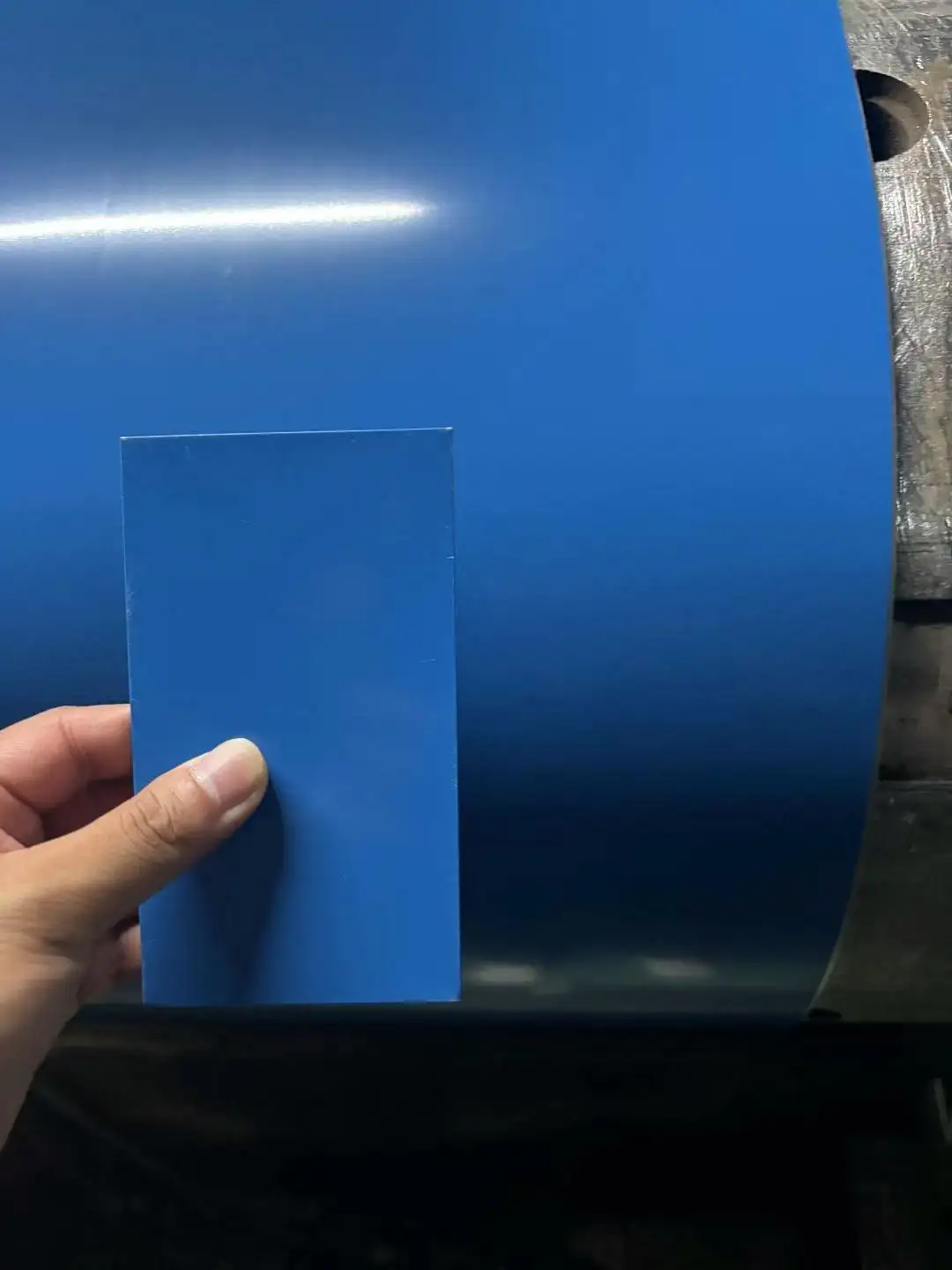
You often notice color differences as one of the 7 common problems roofing factories face when buying ppgi coils. These variations can appear when suppliers use inconsistent paint batches or fail to control the coating process. Sometimes, the paint formula changes without warning. You may also see color shifts if the curing temperature varies during production. Even small changes in the environment, such as humidity or dust, can affect the final color.
- Inconsistent paint batches lead to visible color mismatches.
- Changes in curing temperature cause uneven shades.
- Environmental factors like dust or humidity impact color uniformity.
Tip: Always request color samples from your supplier and compare them under natural light. This helps you spot differences before installation.
Aesthetic and Functional Impact
Color differences affect more than just appearance. You want your roofing to look uniform and professional. When colors do not match, your customers may complain about the finished product. These mismatches can lower the perceived value of your roofing panels. In some cases, color variations signal deeper quality issues, such as poor coating adhesion or improper curing.
| Impact Area | Description |
|---|---|
| Visual Appeal | Uneven color reduces attractiveness |
| Customer Satisfaction | Complaints increase |
| Quality Perception | Mismatches suggest poor quality |
You need to check every coil for color consistency. This protects your reputation and ensures your roofing meets customer expectations.
Edge Wave
Uneven Edges
Edge wave is another of the 7 common problems roofing factories face when buying ppgi coils. You see this issue when the edges of the coil do not stay flat. Uneven edges often result from improper tension during rolling or cutting. Sometimes, the steel expands or contracts unevenly during the coating process. You notice wavy edges when you unroll the coil for installation.
- Improper tension during rolling causes edge wave.
- Uneven expansion or contraction during coating leads to wavy edges.
- Poor cutting methods create irregular edges.
Note: You should inspect the coil edges before installation. Flat edges make your roofing easier to handle and install.
Installation Challenges
Uneven edges create problems during installation. You struggle to align panels with wavy edges. This slows down your work and increases waste. Roofing panels with edge wave may not fit together tightly, leaving gaps that allow water to enter. You risk leaks and structural weakness if you ignore this problem.
- Difficult alignment increases installation time.
- Gaps between panels lead to water leaks.
- Structural integrity suffers when panels do not fit properly.
You must demand strict quality control from your supplier. This ensures you receive coils with flat, even edges.
Shrinkage Cavities
Cratering Issues
Shrinkage cavities, also known as cratering, are among the 7 common problems roofing factories face when buying ppgi coils. You see these defects as small holes or depressions on the coil surface. Cratering happens when the paint or coating does not spread evenly. Sometimes, air bubbles form during the curing process and leave behind cavities. You spot these issues during inspection or after installation.
- Uneven paint application causes shrinkage cavities.
- Air bubbles during curing create craters.
- Poor surface preparation increases the risk of defects.
Alert: Shrinkage cavities weaken the protective layer. You should reject coils with visible cratering.
Material Integrity
Shrinkage cavities threaten the integrity of your roofing material. These defects expose the steel to moisture and chemicals. You face faster corrosion and reduced durability. Roofing panels with cratering may fail sooner, leading to costly repairs or replacements. You need to inspect every coil for shrinkage cavities to protect your products.
| Problem | Effect on Material |
|---|---|
| Shrinkage Cavities | Reduced corrosion resistance |
| Cratering | Shorter product lifespan |
You must work with suppliers who use advanced coating techniques. This reduces the risk of shrinkage cavities and keeps your roofing strong.
Vague Specifications
Vague specifications create confusion when you buying PPGI coils. You often see this as one of the 7 common problems roofing factories face when buying ppgi coils. Clear specifications help you get the right product. Unclear details lead to mistakes and wasted resources.
Misunderstandings with Suppliers
You need to communicate your requirements clearly. If you use vague terms, your supplier may misunderstand what you want. For example, you might ask for “standard thickness” or “regular color,” but these phrases mean different things to different people. You must specify exact measurements, color codes, and coating types.
Tip: Always use written documents with precise numbers and industry standards. This prevents confusion and sets clear expectations.
Common misunderstandings include:
- Thickness tolerance not matching your needs
- Coating type or grade not specified
- Color shade not defined by a recognized code
- Surface finish left open to interpretation
You can avoid these problems by creating a checklist for every order. This helps you confirm all details before you send them to your supplier.
Receiving Incorrect Products
When you use vague specifications, you risk receiving the wrong products. You might get coils with the wrong thickness, color, or coating. This forces you to delay production or reject the shipment. You lose time and money.
| Mistake | Possible Result |
|---|---|
| Wrong thickness | Panels do not fit or fail strength tests |
| Incorrect color | Roofing looks inconsistent |
| Unsuitable coating | Poor corrosion resistance |
| Unclear finish | Surface defects or mismatches |
You must inspect every delivery against your order specifications. If you find mistakes, contact your supplier immediately. You should keep records of all communications and product details. This helps you resolve disputes and improve future orders.
Note: Precise specifications protect your factory from costly errors. You build trust with your supplier and ensure you get the right PPGI coils every time.
Quality Issues in Pre-Painted Galvanized Steel Coils
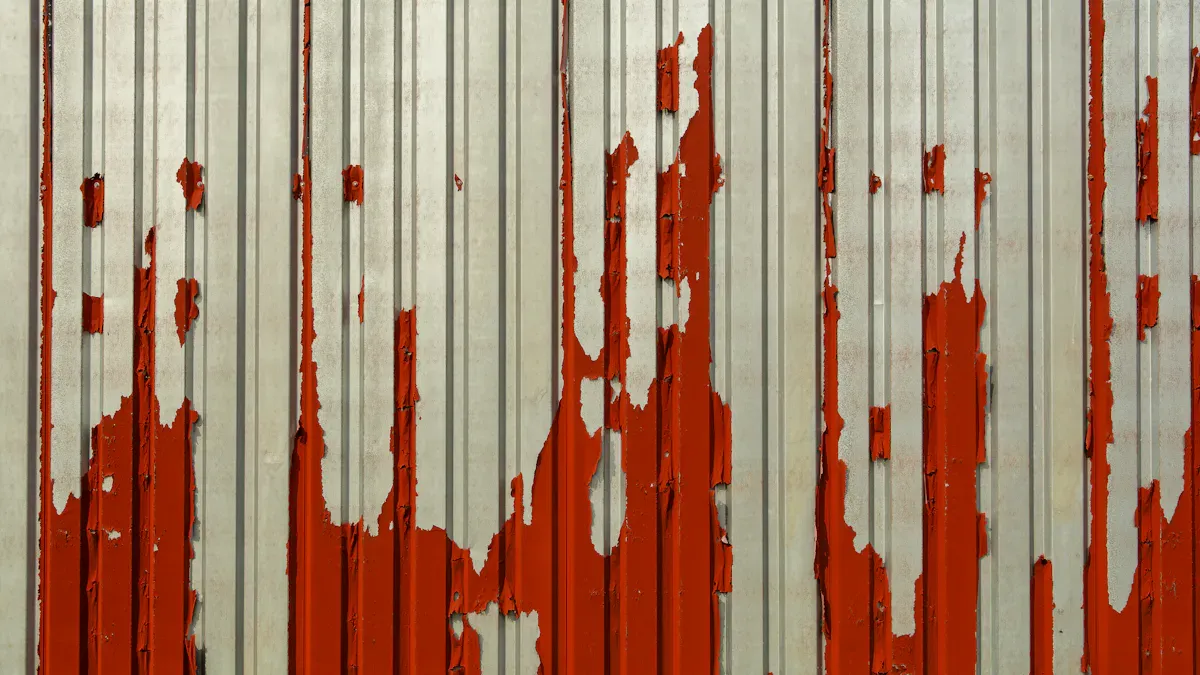
When you focus on buying pre-painted galvanized steel coils, you need to understand the main quality issues that can affect your roofing products. These issues can impact both the appearance and the performance of your finished roofs. Paying attention to quality before shipment helps you avoid costly problems later.
Surface Defects
Types of Defects
You may notice several types of surface defects when you inspect pre-painted galvanized steel coils. Common defects include pinholes, blisters, scratches, and dents. Sometimes, you see streaks or uneven gloss on the surface. These flaws often result from poor handling, improper cleaning, or mistakes during the coating process. If you do not check for these defects, you risk using coils that do not meet your quality standards.
- Pinholes: Small holes that weaken the protective layer.
- Blisters: Raised spots caused by trapped air or moisture.
- Scratches: Marks that expose the steel to corrosion.
- Dents: Indentations that affect the flatness of the coil.
Impact on Performance
Surface defects lower the quality of your roofing panels. Pinholes and blisters can let water reach the steel, causing rust. Scratches and dents make the panels look bad and reduce their strength. If you use coils with these defects, your roofs may fail sooner than expected. Always inspect the coils for surface defects to maintain high quality before shipment.
Coating Thickness Variations
Causes and Effects
You may find that the coating thickness is not always even on pre-painted galvanized steel coils. This problem often happens when the coating machine does not work correctly or when the steel moves too fast or too slow during production. Uneven thickness can lead to weak spots where the steel is not well protected. Thicker areas may crack or peel, while thinner areas may rust quickly. When you buy pre-painted galvanized steel coils, always ask your supplier about their thickness control methods. Checking the quality before shipment helps you avoid these problems.
Color Fading and Peeling
Long-Term Appearance
Color fading and peeling are serious quality concerns for pre-painted galvanized steel coils. Over time, sunlight, rain, and pollution can cause the color to fade or the paint to peel away.
This not only makes your roof look old and unattractive, but it also signals deeper problems. When the color fades or peels, it may mean the coating is failing, which can lead to rust and leaks. The deterioration of a roof’s color through fading and peeling not only diminishes its visual appeal but also signals potential underlying issues that could threaten the roof’s structural integrity.
This degradation can lead to a perception of neglect, making the property appear outdated and less desirable to potential buyers, ultimately affecting its market value.
You should always check the color and adhesion of the coating when buying pre-painted galvanized steel coils. Ask your supplier for samples and test them under real conditions. This step ensures you get the best quality and helps protect your reputation.
Tip: Always request a sample panel and expose it to sunlight for a few days. This simple test can reveal early signs of fading or peeling.
By understanding these quality issues, you can make better decisions when buying PPGI coils (pre-painted galvanized steel coils). Careful inspection and attention to quality before shipment will help you deliver strong, attractive, and long-lasting roofing products.
Supplier and Logistics Challenges
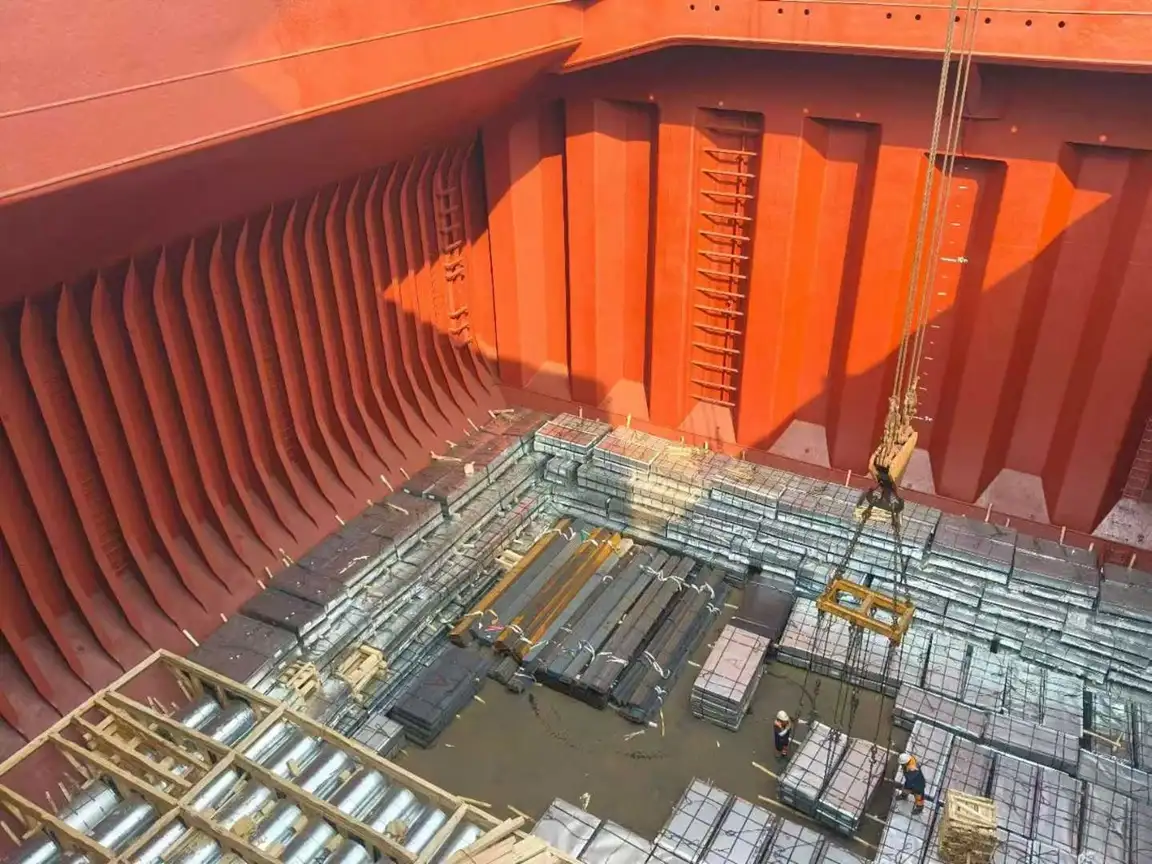
When you buying PPGI coils for your roofing factory, you face more than just quality issues. Supplier and logistics challenges can disrupt your entire operation. You need to understand how these problems affect your business and what you can do to avoid them.
Unreliable Suppliers
A reliable supplier is the backbone of your supply chain. If your supplier fails to deliver on time or does not communicate clearly, your production suffers. You may find that some suppliers overpromise and underdeliver. They might not have enough stock or may lack the resources to meet your deadlines. This leads to uncertainty and forces you to adjust your plans.
Supply Schedule Issues
Supply schedule issues often start with poor planning from your supplier. If your supplier cannot stick to agreed timelines, you risk running out of materials. Sometimes, suppliers face their own delays due to factory closures or raw material shortages. You need to ask your supplier for regular updates and clear schedules. This helps you plan your production and avoid last-minute surprises.
Delivery Delays
Delivery delays can cause major headaches for your roofing factory. When your supplier cannot ship coils on time, your production line may stop. These delays often happen because of external factors like weather, port congestion, or workforce shortages. Events such as the Chinese New Year can also lead to factory closures and slow down order fulfillment.
Production Disruption
Delivery delays disrupt your production in several ways:
- You may have to pause manufacturing while waiting for materials.
- Extended delays increase your costs as you pay workers and utilities without making products.
- Port congestion and workforce shortages during peak seasons can stretch your timelines even further.
Note: Always build extra time into your schedule to handle unexpected delays. This keeps your projects on track and reduces stress.
Transportation Damage
Even if your supplier ships on time, transportation damage can ruin your coils before they reach your factory. You need to make sure your supplier uses proper packing methods to protect the coils during transit.
Preventing Coil Damage
You can prevent transportation damage by working closely with your supplier. Ask your supplier about their packing standards and request photos of packed coils. The most effective strategies include:
- Careful packing to prevent friction and rust during transportation.
- Using protective materials to shield coils from moisture and impact.
- Ensuring that coils remain undamaged even during long shipments.
A good supplier will take these steps seriously. You should inspect every delivery for signs of damage and report any issues right away. This helps you maintain high standards and avoid costly repairs.
Tip: Keep a checklist for each delivery. This helps you track the condition of coils and ensures your supplier meets your expectations.
By choosing the right supplier and managing logistics carefully, you can avoid many common problems and keep your roofing factory running smoothly.
Solutions and Best Practices
Choosing Certified Suppliers

Supplier Selection Criteria
Choosing certified suppliers plays a key role in avoiding common mistakes buyers make when purchasing PPGI coils. Certified suppliers often hold important quality management certifications like ISO 9001 and ISO 14001. These certifications show that the supplier follows strict standards for quality and environmental management. When you select a supplier with these credentials, you reduce risks related to product defects and delivery issues.
Look for suppliers who demonstrate strong production capabilities. They should use advanced equipment and modern technology to ensure consistent quality. You can ask about their production process to understand how they control each stage, from raw materials to final coating. This knowledge helps you assess whether the supplier meets your quality expectations.
Research the supplier’s reputation and experience in the industry. Customer reviews and case studies provide insight into their reliability and product performance. A supplier with a solid track record usually delivers better results and fewer surprises.
Tip: Create a checklist that includes certifications, production technology, reputation, and quality control methods. Use this list to evaluate potential suppliers before making a decision.
Quality Control Measures
Inspection and Testing
You must implement strict inspection and testing procedures to maintain high quality when buying PPGI coils. Even certified suppliers can have occasional issues, so your quality control acts as a safety net.
Inspect the surface appearance carefully. Look for scratches, color differences, or coating defects. Measure coating thickness to ensure it meets your specifications. Test mechanical properties like tensile strength and flexibility to confirm the coil’s durability. Also, check corrosion resistance through salt spray or other relevant tests.
Note: Regular inspections help you catch problems early and avoid costly rejections or repairs later.
Understanding the production process helps you design better quality checks. When you know how the coils are made, you can identify critical points where defects might occur. This insight allows you to focus your inspections on the most vulnerable areas.
Clear Specification Communication
Avoiding Misunderstandings
Clear communication of your specifications prevents many common mistakes buyers make. Vague or incomplete details often cause suppliers to deliver incorrect products. You should provide exact measurements, color codes, coating types, and surface finishes in writing.
Use industry standards and recognized codes whenever possible. This approach reduces confusion and sets clear expectations. Confirm all details with your supplier before placing an order. A checklist or formal document can help you avoid misunderstandings.
| Common Mistakes Buyers Make | How to Avoid Them |
|---|---|
| Vague thickness requirements | Specify exact thickness and tolerance |
| Unclear color descriptions | Use standardized color codes |
| Missing coating details | Define coating type and thickness |
| Ambiguous surface finish | Describe finish clearly |
Tip: Keep records of all communications and order confirmations. This practice helps resolve disputes quickly and improves future orders.
By choosing certified suppliers, applying thorough quality control, and communicating specifications clearly, you protect your roofing factory from many common problems. These best practices build trust with your suppliers and ensure you receive the right buying PPGI coils every time.
Managing Logistics
Supply Chain Partnerships
You need strong supply chain partnerships to manage logistics when buying PPGI coils. Good partnerships help you avoid delays, reduce costs, and keep your production running smoothly. You should not treat your suppliers as just vendors. Instead, see them as partners who share your goals for quality and reliability.
Why Supply Chain Partnerships Matter
A strong partnership with your supplier gives you many advantages:
- Better communication about order status and delivery times
- Faster problem-solving when issues arise
- More flexibility during busy seasons or unexpected events
- Improved trust, which leads to better service and support
You can build these partnerships by being open and honest with your suppliers. Share your production plans and let them know about your needs in advance. This helps them prepare and deliver on time.
Tip: Schedule regular meetings or calls with your suppliers. Use these meetings to review performance, discuss challenges, and plan for the future.
How to Build Effective Partnerships
You can take several steps to create strong supply chain partnerships:
- Choose Reliable Partners
Select suppliers with a good track record. Check their delivery history and ask for references from other customers. - Set Clear Expectations
Write down your requirements for quality, delivery times, and packaging. Share these with your supplier before you place an order. - Monitor Performance
Keep records of each delivery. Track on-time arrivals, product quality, and any issues. Use this data to discuss improvements with your supplier. - Work Together on Solutions
If problems happen, solve them together. Ask your supplier for ideas to prevent future issues. Offer feedback and listen to their suggestions.
Benefits of Strong Supply Chain Partnerships
| Benefit | Description |
|---|---|
| Fewer Delays | Partners help you avoid late shipments |
| Lower Costs | Good planning reduces extra shipping fees |
| Higher Quality | Suppliers focus on meeting your standards |
| Better Flexibility | Partners adjust quickly to changes in demand |
Note: Strong partnerships do not happen overnight. You need to invest time and effort, but the results will help your business grow.
You can also use technology to improve your supply chain. Many factories use software to track orders and shipments. This gives you real-time updates and helps you spot problems early.
Building strong supply chain partnerships is one of the best ways to manage logistics. You gain more control over your materials, reduce risks, and keep your roofing factory running at its best.
You face seven common problems when buying PPGI coils: scuffing, poor adhesion, missed coating, color differences, edge wave, shrinkage cavities, and vague specifications. These issues affect your roofing quality and durability. Taking proactive steps, like choosing certified suppliers and clear communication, helps you avoid costly mistakes.
Tip: Implement best practices and share your experiences with peers to improve your procurement process continuously.
Start applying these strategies today to ensure your roofing factory receives the best buying PPGI coils and maintains high standards.
FAQ
What is a PPGI coil?
A PPGI coil is a pre-painted galvanized steel coil. You use it for roofing and construction. The coil has a zinc coating and a layer of paint that protects against rust and weather.
How can you check the quality of buying PPGI coils?
You can inspect the surface for scratches, dents, or color differences. Measure the coating thickness. Test for adhesion and flexibility. Ask your supplier for quality certificates.
Why do color differences occur in buying PPGI coils?
Color differences happen when paint batches change or curing temperatures vary. You may also see mismatches from environmental factors like humidity or dust during production.
What should you do if you receive damaged coils?
You should document the damage with photos. Contact your supplier immediately. Keep records of your communication. Request a replacement or compensation for the damaged coils.
How can you avoid vague specifications when ordering?
You can use written documents with exact measurements, color codes, and coating types. Always confirm details with your supplier. Create a checklist for every order.
What certifications should you look for in a supplier?
Look for ISO 9001 and ISO 14001 certifications. These show your supplier follows strict quality and environmental standards. Certified suppliers usually deliver better products.