

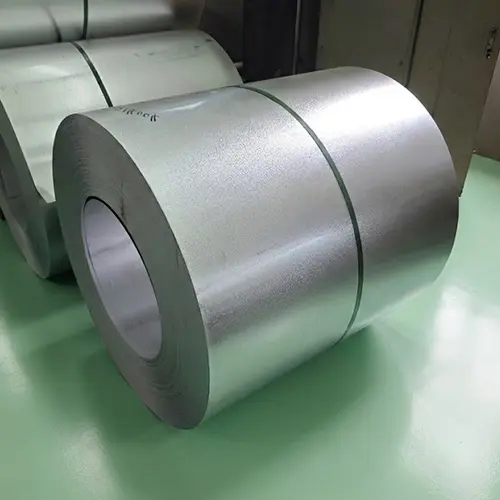
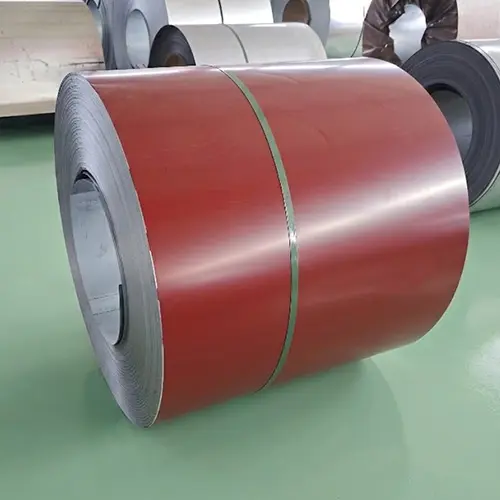


You may notice that paint cracking during roll forming happens often in roofing sheet factories. This problem usually comes from mechanical stress on the metal or using the wrong paint or process. When paint cracks, your metal roofing loses both its appearance and its waterproofing ability. If you understand the technical reasons behind why roofing sheet factories face paint cracking during roll forming, you can protect your products from damage and keep your customers satisfied.
Key Takeaways
- Understand that mechanical stress during roll forming can cause paint to crack. Choose flexible paints that can stretch with the metal.
- Pay attention to the bend radius. Using a radius that is too tight increases the risk of paint cracking.
- Select high-quality, flexible coatings like polyurethane. These coatings resist cracking and improve waterproofing.
- Always clean and prepare surfaces before painting. Dirt and contaminants can weaken paint adhesion and lead to early failure.
- Monitor roll forming settings such as speed and pressure. Adjust these factors to reduce stress on the paint layer.
- Implement a strong quality control system. Regular inspections during and after production help catch issues early.
- Train staff to recognize signs of paint cracking. Quick action can save time and reduce costs.
- Learn from past mistakes. Analyze incidents of paint cracking to improve processes and prevent future issues.
Why Roofing Sheet Factories Face Paint Cracking During Roll Forming
Mechanical Stress in Roll Forming
You see paint cracking most often when the metal sheet passes through the roll forming machine. The rollers bend and shape the sheet, but this process puts a lot of stress on both the metal and the paint layer. If you use a paint that cannot stretch or flex, it will crack under this pressure. The main reason why roofing sheet factories face paint cracking during roll forming is that the paint cannot handle the repeated bending and stretching. When you use high forming speeds or apply too much pressure, the risk of cracking increases. You need to understand that every time the sheet bends, the paint must move with the metal. If it cannot, cracks will appear.
Strain at Tension Bends
Tension bends are another key reason why roofing sheet factories face paint cracking during roll forming. When you bend the sheet sharply, the outer surface stretches more than the inner surface. This stretching, called tensile strain, can break the paint layer if it is not flexible enough. You can see the effect of bend radius and material type in the table below:
| Material Type | Minimum Bend Radius | Effect on Paint Cracking |
|---|---|---|
| Polyester paint on steel | 3.2 mm | Minimizes cracking and crazing of the paint. |
| Hot dip galvanized sheet | 6.4 mm | Prevents zinc coating from cracking with sharper bends. |
If you use a bend radius smaller than recommended, you will likely see more cracks. Paint curing at high temperatures can also make the steel sheet stretch in ways that show up as visible lines or cracks after forming. You can avoid these problems by following good shop practices and choosing the right bend radius for your material.
- High temperatures during paint curing can cause the steel to stretch.
- Later, when you form the sheet, you may see lines or cracks from this stretching.
- Careful control of the forming process helps reduce these issues.
Sharp Edges and Ribs
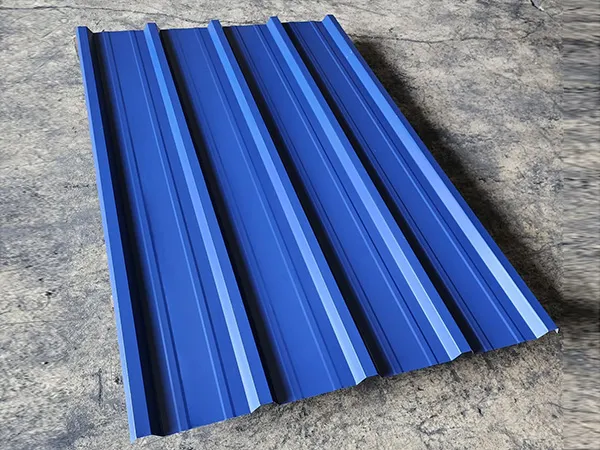
Design features like sharp edges and deep ribs also explain why roofing sheet factories face paint cracking during roll forming. When you add sharp corners or tight ribs, you force the paint to stretch even more. The paint layer may not survive these extreme shapes. You should check your tooling and sheet design to make sure you do not create areas with too much strain. If you see cracks along ribs or edges, you may need to adjust your design or use a more flexible paint. Paying attention to these details helps you understand why roofing sheet factories face paint cracking during roll forming and gives you a chance to fix the problem before it affects your products.
Tip: Always review your sheet profiles and forming tools. Small changes in design can make a big difference in paint performance.
You can prevent many issues if you know why roofing sheet factories face paint cracking during roll forming. Focus on the stress from forming, the strain at bends, and the design of your sheets. This knowledge helps you produce better roofing products and keep your customers happy.
Causes of Paint Cracking in Metal Roofing
Paint Type and Quality
Flexibility and Adhesion
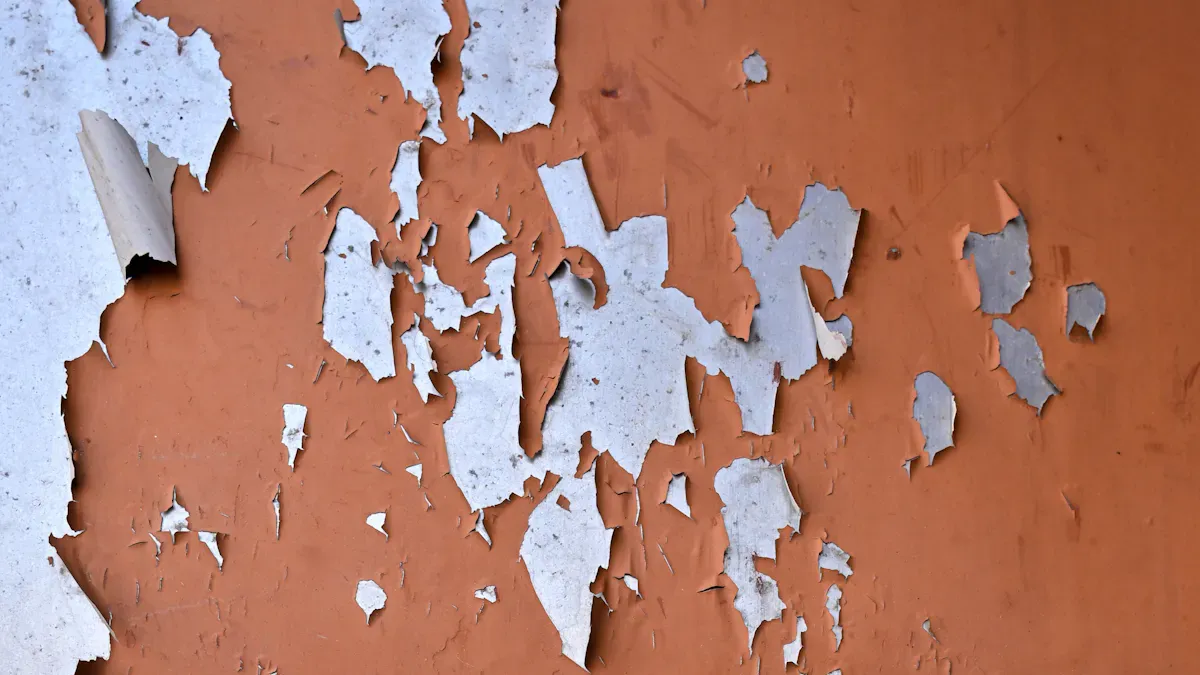
You need to pay close attention to the type of paint you use on your roofing sheets. Some paints do not stretch well when the metal bends. If you choose a coating that lacks flexibility, it will crack during roll forming. Silicone Modified Polyester (SMP) coatings are especially prone to this problem. These coatings often develop micro-fractures when you bend the sheet tightly. Once these tiny cracks form, moisture can get inside and start rusting the metal. You may also see tension bend staining, which happens when the paint cracks at sharp bends.
- SMP coatings are more likely to crack because they are brittle.
- Micro-fractures in SMP paint let water in, which leads to rust.
- Tension bend staining often appears with SMP coatings during forming.
You should always test how well your paint sticks to the metal. Good adhesion helps the paint move with the sheet during bending. If the paint does not stick well, it will peel or flake off, especially in high-stress areas.
Compatibility with Metal
Paint must match the type of metal you use. If the paint and metal do not work well together, you will see more cracking and peeling. Zinc coatings, for example, can develop micro-cracks during roll forming. These cracks lower the roof’s resistance to corrosion and shorten its lifespan. You will notice more problems in areas with tight bends or deep ribs.
- Zinc micro-cracking reduces the durability of your roofing panels.
- Most micro-cracks appear in high-strain zones, such as bends and rib transitions.
Sheet Material Properties
Ductility and Thickness
The properties of the metal sheet also affect paint performance. If you use a metal that does not bend easily, the paint will crack more often. Thicker sheets can handle more stress, but they may need special paints that can stretch without breaking. You should match the paint’s flexibility to the metal’s ductility.
Coating Interactions
You must consider how the paint and metal interact with the environment. Moisture and humidity can cause the paint to peel. Extreme temperatures may lead to blisters. Rainwater can get trapped between layers, and UV rays can heat the surface, causing the paint to bubble. Ice and snow make the paint expand and contract, which can lead to cracks.
When water gets under the paint, it can dissolve materials beneath the coating. This creates an osmotic cell, which draws in more water. The trapped water forms blisters and lifts the paint from the metal. You will see these blisters as raised spots on the roof.
Roll Forming Parameters
Bend Radius and Pressure
The way you set up your roll forming machine has a big impact on paint cracking. If you use a tight bend radius, you create more strain on the paint. High pressure during forming also increases the risk of cracks. The design of each pass through the rollers matters too. Aggressive shaping can stretch the paint unevenly and cause it to fail. Proper lubrication helps reduce friction and stress on the coating.
| Parameter | Effect on Paint Cracking Rates |
|---|---|
| Bend Radius | Tight bends increase surface strain and micro-cracking risk. |
| Applied Pressure | High force raises coating strain and deformation risk. |
| Pass Design | Aggressive shaping causes uneven stretching and stress. |
| Lubrication | Good lubrication reduces friction and protects the coating. |
| Environmental Conditions | Cold weather increases micro-cracking risk, especially with high speed and tight bends. |
Temperature Effects
You should also watch the temperature during roll forming. Cold weather makes the paint less flexible and more likely to crack. High-speed forming in low temperatures can cause even more micro-cracks, especially at tight bends. Always monitor your process conditions to keep paint performance at its best.
Tip: Choose paints and process settings that match your material and climate. This helps prevent cracking and keeps your roofing sheets strong.
Surface Preparation
Cleaning and Pretreatment
You must start with proper cleaning and pretreatment if you want to prevent paint cracking during roll forming. Dirt, rust, and old paint can weaken the bond between the metal and the new coating. When you remove these problems, you give the paint a better chance to stick and flex with the metal.
You can use several methods to prepare your roofing sheets:
- Use a high-pressure wash to clean the area before you apply any treatment. This step removes loose dirt and debris.
- Remove any loose paint or corrosion by hand grinding or wire brushing. This action helps you reach bare metal and get rid of weak spots.
- Clean away rust stains, swarf (small metal particles), and dust. You want a bright metallic surface, not a dull or dirty one.
- Work to Swedish Standard ST3 if you need to clean back corrosion. This standard means you remove all loose material and leave a solid, metallic finish.
- Make sure the surface is not polished. The remaining coating edges should be firm and well feathered so the new paint can grip the metal.
- Check that the area is free from oil, grease, ice, or frost. These substances can block the paint from sticking.
- Wipe down the sheet with a special cleaner, such as Giromax® Panel Wipe. This step removes dirt, mold, oil, and grease.
Tip: Never skip cleaning and pretreatment. Even small amounts of dirt or oil can lead to big problems later.
Residual Contaminants
You may not see all the contaminants on your metal sheets, but they can still cause trouble. Dust, grease, oil, and wax often stay behind after poor cleaning. These substances stop the paint from sticking well. When the paint cannot bond, it cracks or flakes during roll forming.
If you apply water-thinned paints over glossy or oily surfaces, you might see a problem called “cissing.” This defect looks like small holes or bare spots where the paint pulls away. You can avoid cissing by making sure the surface is clean and dull, not shiny or greasy.
Here are some common issues caused by leftover contaminants:
- Poor adhesion leads to flaking and cracking.
- Paint may lift or blister, especially in high-stress areas.
- Moisture can get under the paint, causing rust and more cracking.
You should always check your cleaning process. Proper surface preparation removes hidden contaminants and gives your paint the best chance to last. When you take these steps, you protect your roofing sheets from early failure and costly repairs.
Effects on Product Quality and Waterproofing
Impact on Metal Roofing Durability
You want your metal roofing to last for many years. Paint cracks can change that. When you see cracks in the paint, you lose the first line of defense. The paint protects the metal roofing from rain, sun, and wind. If the paint cracks, water can reach the metal. This water starts the corrosion process. Corrosion weakens the metal roofing and shortens its life. You may notice rust spots, holes, or even panels that break. The durability of metal roofing depends on the quality of the paint and the waterproofing. If you keep the paint layer strong, you keep your metal roofing strong.
Tip: Inspect your metal roofing often. Look for cracks and signs of corrosion. Early action helps you protect your investment.
Waterproofing Failures
Waterproofing is the most important feature of metal roofing. If you lose waterproofing, you risk leaks and damage inside your building. Paint cracks let water pass through the protective layer. Water gets trapped in these cracks and starts corrosion. The waterproofing fails when the paint cannot keep water out. You see leaks, stains, and mold inside the building. The table below shows how paint cracks affect waterproofing in metal roofing:
| Consequence | Description |
|---|---|
| Traps moisture | Micro-cracks can trap moisture, leading to corrosion initiation. |
| Allows corrosion initiation | The presence of moisture can start the corrosion process. |
| Weakens coating protection | Micro-cracking reduces the effectiveness of the protective coating. |
| Accelerates environmental degradation | Environmental factors can worsen the effects of micro-cracking. |
| Problematic environments | Particularly severe in coastal areas, agricultural buildings, chemical exposure zones, and humid climates. |
You must keep the paint layer intact to maintain waterproofing. If you see cracks, you need to repair them quickly. Waterproofing protects your building from rain, snow, and humidity. Without waterproofing, your metal roofing cannot do its job.
- Paint cracks lead to leaks.
- Leaks cause damage to insulation and ceilings.
- Mold grows in damp areas.
- Waterproofing failures increase repair costs.
Customer Complaints and Costs
You want your customers to trust your metal roofing products. Paint cracks and waterproofing failures lead to complaints. Customers notice leaks and rust. They call you to fix the problem. You spend money on repairs and replacements. Your reputation suffers. You lose future sales. Waterproofing is the key to customer satisfaction. If you keep your metal roofing waterproof, you avoid complaints and extra costs.
Note: Good waterproofing saves you money. It keeps your customers happy and protects your business.
You must focus on paint quality, waterproofing, and regular inspections. These steps help you avoid cracks, leaks, and unhappy customers. Strong waterproofing means strong metal roofing.
Preventing Paint Cracking During Roll Forming
Selecting the Right Paint
Flexible Coatings
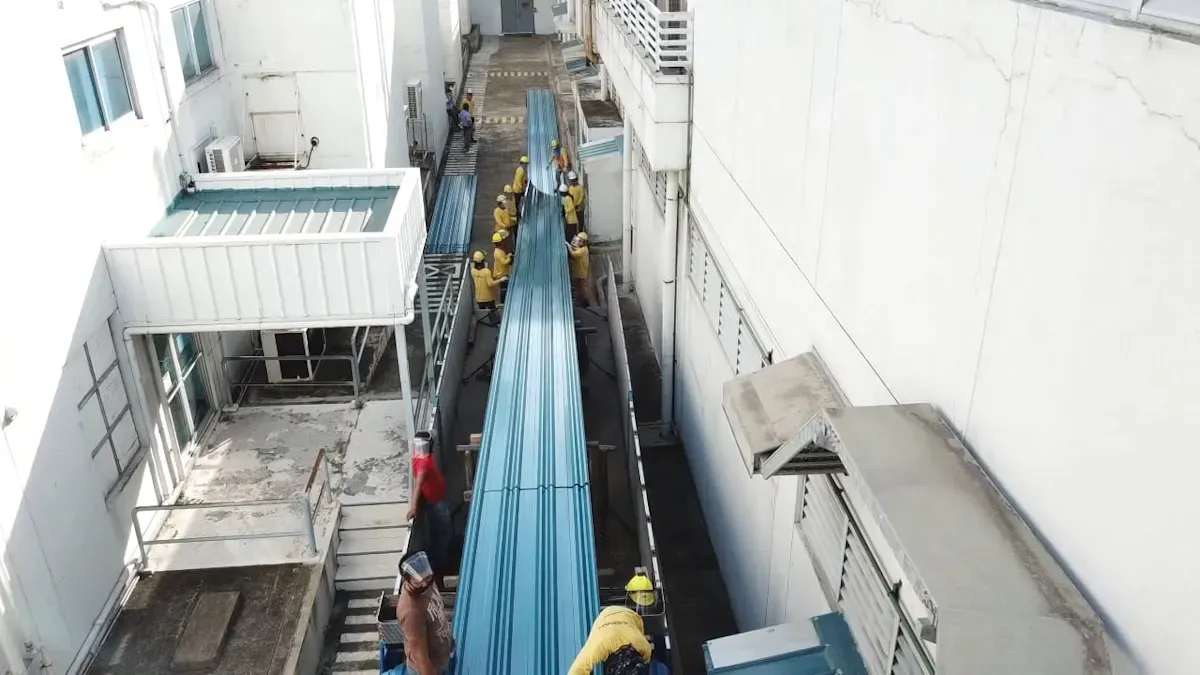
You need to choose coatings that can handle the movement and stress of roll forming. Flexible coatings stretch with the metal instead of breaking. These coatings are UV-stable, so they last longer under sunlight. You get better protection for your roofing sheets because flexible coatings adapt to small shifts and changes in the metal. This flexibility helps stop cracks from forming during production and after installation. When you use polyurethane, you boost the resistance of your roofing sheets to both weather and mechanical stress. Polyurethane coatings work well for waterproofing applications because they create a strong barrier against moisture. You can also use polyurethane as part of your waterproofing methods to improve the durability of your membranes.
Tip: Always check if your coatings are designed for movement and outdoor exposure. This step gives you the best protection and extends the life of your roofing sheets.
Adhesion Testing
You should test how well your coatings stick to the metal before you start roll forming. Adhesion testing helps you find out if the paint will stay in place during bending and shaping. If the paint does not stick well, it will crack or peel, which reduces the resistance to moisture and weakens the waterproofing membrane. You can use simple tape tests or more advanced pull-off tests to check adhesion. Good adhesion means your coatings will move with the metal and keep their protective qualities. Polyurethane also improves adhesion, making it a top choice for waterproofing chemicals and membranes. When you combine flexible coatings with strong adhesion, you get the best results for waterproofing methods and long-term protection.
Optimizing Roll Forming Settings
Speed, Pressure, and Bend Radius
You can prevent paint cracking by adjusting your roll forming machine settings. The speed, pressure, and bend radius all affect how the coatings perform. If you use a tight bend radius, you increase the risk of micro-fractures in the paint. You should avoid sharp bends and use a larger radius to protect the coatings and membranes. Lower forming speeds and moderate pressure help reduce stress on the paint layer. Polyurethane coatings show better resistance to cracking when you use gentle forming settings.
Here is a table with recommended settings for roll forming:
| Setting | Recommendation |
|---|---|
| Temperature | Warm forming at 120°F to 170°F |
| Coating Type | Use Silicone Modified Polyester (SMP) |
| Bend Radius | Avoid tight radius bends to reduce micro-fractures |
| Forming Process | Implement warm roll forming to improve flexibility and reduce tension-bend cracking |
You should always monitor your machine settings and adjust them for each batch. This practice helps you maintain the quality of your waterproofing membrane and coatings.
Temperature Control
You need to control the temperature during roll forming to keep your coatings flexible. Warm forming, between 120°F and 170°F, makes the paint less likely to crack. Polyurethane works well at these temperatures and keeps its resistance to moisture. If you form sheets in cold conditions, the coatings become brittle and crack more easily. You should also check the temperature of your waterproofing chemicals before application. Proper temperature control helps you get the best performance from your membranes and polyurethane coatings. This step also improves the overall protection and waterproofing of your roofing sheets.
Note: Always check the temperature in your production area. Small changes can make a big difference in the resistance of your coatings and the success of your waterproofing applications.
Improving Surface Preparation
Cleaning Methods
You must clean your metal sheets before applying any coatings or waterproofing chemicals. Dirt, oil, and rust stop the coatings from sticking well. Use a high-pressure wash to remove loose debris. For tough stains, use a wire brush or grinder. Polyurethane needs a clean surface to bond well and provide strong protection. If you skip cleaning, you risk poor adhesion and early failure of your waterproofing membrane. Cleaning also removes moisture, which can cause blisters and cracks in the coatings.
- Wash with water and detergent to remove grease.
- Dry the surface completely before applying polyurethane or other waterproofing chemicals.
- Inspect for any remaining contaminants.
Pretreatment Techniques
You should use pretreatment techniques to improve the bond between the metal and the coatings. Apply a primer that works with polyurethane to increase resistance to moisture and corrosion. Some factories use chemical treatments to create a rough surface, which helps the coatings grip better. You can also use special waterproofing chemicals as a base layer before adding the main coatings or membranes. These steps make your waterproofing methods more effective and extend the life of your roofing sheets.
Tip: Always follow the manufacturer’s instructions for pretreatment. This practice ensures the best results for your polyurethane coatings and waterproofing membrane.
When you combine proper cleaning, pretreatment, and the right coatings, you get strong resistance to moisture and long-lasting protection. Polyurethane and other waterproofing chemicals help you create durable membranes that keep your roofing sheets safe from leaks and damage.
Quality Control
You must set up a strong quality control system to stop paint cracking during roll forming. Quality control helps you catch problems early and fix them before they reach your customers. You need to check your roofing sheets at every stage of production. This process includes both in-process inspection and post-forming testing.
In-Process Inspection
You should inspect your roofing sheets while they move through the roll forming line. In-process inspection lets you spot paint cracks, surface defects, or other issues right away. You can stop the line and fix problems before they get worse.
Here are some steps you can follow for in-process inspection:
- Check the paint surface after each forming pass. Look for small cracks, chips, or peeling.
- Use bright lights and magnifiers. These tools help you see tiny defects that you might miss with your eyes alone.
- Monitor machine settings. Watch the speed, pressure, and temperature. If you see changes in the paint, adjust the settings right away.
- Record your findings. Keep a log of any defects and the actions you take. This record helps you spot patterns and prevent future problems.
Tip: Train your staff to recognize early signs of paint cracking. Quick action saves time and money.
You can also use simple tests during production. For example, you can use a tape test to check if the paint sticks well. Press a piece of tape on the painted surface and pull it off quickly. If paint comes off with the tape, you may have an adhesion problem.
Post-Forming Testing
After you finish roll forming, you need to test your roofing sheets again. Post-forming testing checks the final quality before you ship products to your customers. This step makes sure your roofing sheets meet your standards for durability and waterproofing.
You can use these common post-forming tests:
| Test Name | What It Checks For | How To Do It |
|---|---|---|
| Bend Test | Paint flexibility and cracking | Bend a sample to a set radius and look for cracks |
| Cross Hatch Test | Paint adhesion | Cut a grid in the paint, apply tape, and check for flaking |
| Visual Inspection | Surface defects | Look for blisters, chips, or color changes |
| Water Spray Test | Waterproofing | Spray water on the sheet and check for leaks or paint lifting |
You should keep records of all test results. If you find any defects, you need to investigate the cause and fix it before sending out the product.
Note: Regular post-forming testing builds trust with your customers. They know you care about quality and stand behind your roofing sheets.
Quality control is not just about catching mistakes. It helps you improve your process, train your team, and deliver better products. When you focus on in-process inspection and post-forming testing, you protect your business and your reputation.
Common Mistakes and Troubleshooting
Overlooking Paint Specs
One of the biggest mistakes you can make is ignoring the paint specifications. Every paint type has limits on flexibility, adhesion, and temperature resistance. If you use a paint that does not match your metal or forming process, cracks will appear quickly. For example, some paints cannot stretch enough for tight bends. Others may not stick well to galvanized steel. Always check the technical data sheets before choosing a coating. Look for key specs like:
- Minimum bend radius
- Adhesion strength
- UV resistance
- Temperature tolerance
⚠️ Tip: Never assume all paints behave the same. Test your paint under real forming conditions before full production.
Failing to follow paint specs leads to early cracking, peeling, and costly rework. You should also avoid mixing incompatible paints and primers. Stick to products recommended by your supplier for your specific metal and forming method.
Ignoring Equipment Maintenance
Your roll forming machine needs regular care to keep paint cracking at bay. Worn rollers, misaligned tooling, or dirty surfaces increase stress on the paint. These issues cause uneven bending and sharp edges that damage coatings. You must schedule routine inspections and maintenance. Check for:
- Roller wear or damage
- Proper alignment of forming tools
- Cleanliness of rollers and guides
- Lubrication levels
If you skip maintenance, you risk producing sheets with cracks or scratches. These defects hurt your product quality and customer satisfaction. Keep a maintenance log and train your team to spot early signs of equipment problems.
🔧 Reminder: Well-maintained machines reduce mechanical stress and protect your paint layers.
Not Monitoring Process Variables
Process variables like speed, pressure, and temperature affect paint performance during roll forming. If you do not monitor these factors, you cannot control paint cracking. High speed or pressure increases strain on the coating. Cold temperatures make paint brittle and prone to fractures. You should:
- Track forming speed and adjust for material and paint type
- Control pressure to avoid excessive force on the sheet
- Maintain proper temperature in the forming area
- Record process data for each batch
Using sensors or manual checks helps you catch deviations early. When you monitor variables closely, you can tweak settings to prevent cracks before they form. This practice saves time and reduces waste.
📊 Pro Tip: Use data logs to identify trends and improve your roll forming process continuously.
By avoiding these common mistakes, you improve your roofing sheets’ quality and durability. Pay attention to paint specs, keep your equipment in top shape, and watch your process variables carefully. These steps help you stop paint cracking and deliver strong, waterproof roofing products.
Case Studies
Prevention Success Stories
You can learn a lot from factories that have solved paint cracking problems. One factory in the Midwest faced frequent paint cracks on their steel roofing sheets. The production team decided to switch to a more flexible polyurethane coating. They also adjusted the roll forming speed and increased the bend radius. These changes reduced paint cracking by over 80%. The factory also trained workers to inspect sheets after each forming pass. This step helped them catch small cracks early.
Another factory in a coastal city struggled with paint peeling and rust. The managers improved their cleaning process. They used high-pressure washing and made sure every sheet was dry before painting. They also started using a primer that matched their metal type. These steps stopped most paint failures. Customers noticed the difference. Complaints about leaks dropped, and the factory’s reputation improved.
You can see that small changes make a big impact. When you choose the right paint, control your machine settings, and clean surfaces well, you protect your roofing sheets. You also save money on repairs and keep your customers happy.
Success comes from attention to detail. Review your process often and make improvements where you see problems.
Lessons from Paint Cracking Incidents
You can avoid many problems by learning from past mistakes. Factories that ignored paint specs or skipped surface cleaning saw more cracks and leaks. Some used coatings that could not handle temperature changes or UV rays. These coatings became brittle and peeled off after a few years. Other factories did not allow for thermal movement. Their paint cracked when the metal expanded and contracted.
You should focus on three critical functions when choosing treatments for your roofing sheets. The table below shows what you need to consider:
| Critical Function | Description |
|---|---|
| Stop corrosion from worsening | Treatments must let vapor escape but block liquid water. This step prevents further rust. |
| UV and temperature stability | Coatings must stay flexible and stick well, even as they age or face harsh weather. |
| Flexibility | Treatments should move with the metal and keep working for the life of the building. |
If you use coatings that meet these needs, you avoid most cracking problems. You also protect your roofing sheets from rust and leaks. Always test your coatings for flexibility and adhesion. Make sure they can handle the climate where you install the roof.
Remember: The best way to prevent paint cracking is to plan ahead. Choose quality materials, follow good practices, and check your work at every step.
You can prevent paint cracking during roll forming by focusing on three key areas: paint selection, process control, and quality assurance.
- Choose paints that match your membrane material, such as polyurethane for polyurethane membranes or acrylic for most liquid-applied roofs.
- Use proper application techniques and monitor environmental conditions to improve coating performance.
- Set up quality control steps like material testing and post-completion inspections.
These actions help you protect your metal roofing and maintain strong waterproofing.
FAQ
What causes paint to crack during roll forming?
You see paint crack when it cannot stretch with the metal. High stress, sharp bends, or using the wrong paint type often lead to this problem. Always match your paint to your process and material.
How can you prevent paint cracking on roofing sheets?
You can prevent cracking by choosing flexible coatings, adjusting roll forming settings, and cleaning surfaces well. Test your paint for adhesion and flexibility before starting production.
Does temperature affect paint cracking?
Yes, temperature plays a big role. Cold conditions make paint brittle and more likely to crack. Warm forming temperatures help paint stay flexible and resist cracking.
Why is surface preparation important?
Surface preparation removes dirt, oil, and rust. Clean surfaces help paint stick better and flex with the metal. Skipping this step leads to poor adhesion and early cracking.
What type of paint works best for roll forming?
Flexible paints like polyurethane or high-quality polyester work best. These coatings stretch with the metal and resist cracking during forming and installation.
How do you check for paint cracks after forming?
You should inspect sheets visually and use simple tests like tape pulls or bend tests. Look for small cracks, chips, or peeling, especially near bends and edges.
Can you repair cracked paint on roofing sheets?
Yes, you can repair small cracks. Clean the area, remove loose paint, and apply a compatible touch-up coating. For large areas, consider recoating or replacing the sheet.
What happens if you ignore paint cracks?
Ignoring cracks leads to leaks, rust, and costly repairs. Water gets under the paint, causing corrosion and weakening your roofing sheets. Always fix cracks quickly to protect your roof.