

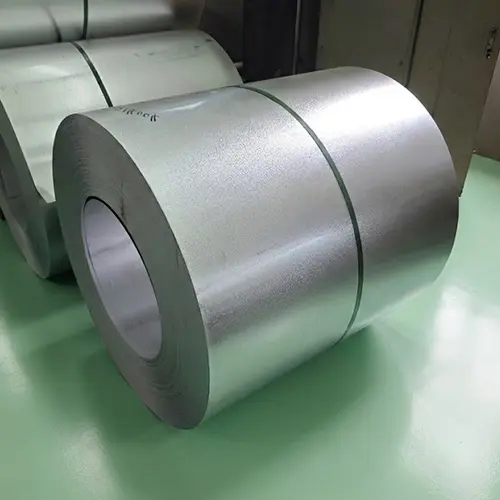
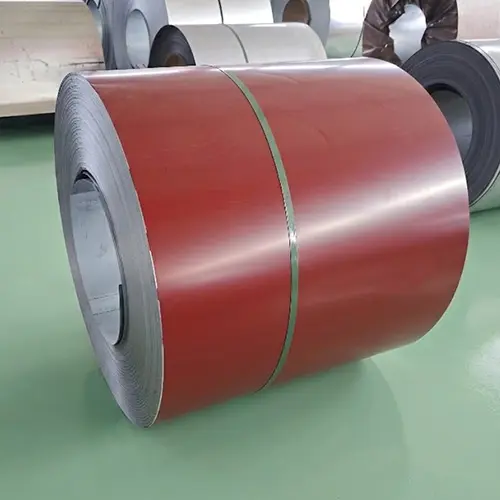

You may wonder about the main differences in the ppgi vs ppgl debate. PPGI stands for pre-painted galvanized iron, while PPGL means pre-painted galvalume. Their coatings set them apart—ppgi uses zinc, and ppgl uses an aluminum-zinc alloy. This difference affects how long each material lasts and how much maintenance you need. PPGL often lasts twice as long in coastal areas, reducing replacement needs. You can expect higher durability and lower long-term costs with ppgl, especially in harsh environments.
- Choose ppgl for projects that demand a longer lifespan.
- Consider ppgi for standard applications where cost matters most.
Key Takeaways
- PPGI uses a zinc coating, while PPGL features an aluminum-zinc alloy, affecting their durability and corrosion resistance.
- Choose PPGL for projects in harsh environments, as it lasts longer and requires less maintenance than PPGI.
- PPGI is more affordable upfront, making it suitable for standard applications where cost is a priority.
- Both materials require regular maintenance, such as cleaning and inspecting for damage, to maximize their lifespan.
- PPGL offers better heat tolerance, making it ideal for roofing and structures exposed to high temperatures.
- Consider the environment when selecting materials; PPGL performs better in coastal and industrial areas.
- Both PPGI and PPGL are recyclable, supporting sustainable building practices and reducing waste.
- Consult with suppliers for warranties and support options to ensure a reliable investment in your building materials.
What Are PPGI and PPGL?

PPGI Overview
You may see the term ppgi when searching for steel products. PPGI stands for pre-painted galvanized iron. Manufacturers create ppgi by coating a steel coil with a layer of zinc. This zinc coating protects the steel from rust and corrosion. After the zinc layer, they apply a colored paint finish. You get a product that looks attractive and resists weather damage. Many people use ppgi for roofing, wall panels, and appliances. The zinc layer gives you reliable protection in most environments.

PPGL Overview
PPGL means pre-painted galvalume. In ppgl, the steel coil receives a galvalume coating instead of pure zinc. Galvalume is a mix of aluminum, zinc, and a small amount of silicon. This combination gives ppgl better resistance to corrosion, especially in harsh or coastal areas. The aluminum in galvalume forms a barrier that slows down rust. After the galvalume layer, manufacturers add a paint finish, just like with ppgi. You will notice that ppgl lasts longer in tough conditions. Many builders choose ppgl for projects that need extra durability.
Manufacturing Process
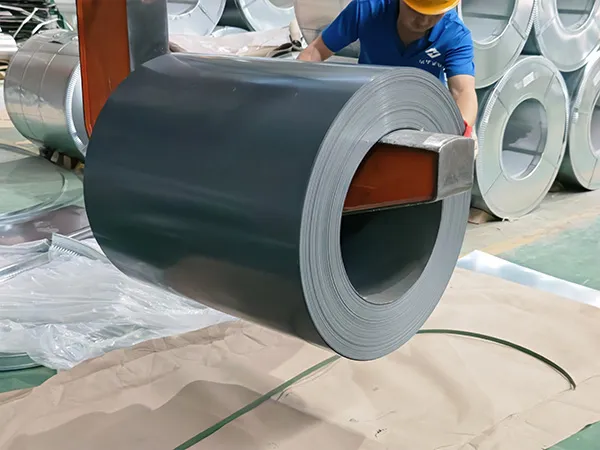
You should understand how ppgi and ppgl are made before making a choice. Both products start with a steel coil. The manufacturing process for each type includes several steps. First, the steel coil goes through hot rolling and cold rolling to reach the right thickness. For ppgi, the next step is a hot-dip galvanizing process, where the coil gets coated with zinc. For ppgl, the coil goes through hot-dip galvanization with a galvalume bath, adding aluminum-zinc alloy to the surface.
After coating, both ppgi and ppgl move to the pre-painting stage. Here, manufacturers apply organic coatings, such as polyester or PVDF, to the surface. The coil then enters a baking oven for high-temperature curing. This step ensures the paint sticks well and lasts longer. Finally, the steel coil is cut, packaged, and prepared for delivery.
Tip: The main difference in the manufacturing process is the type of coating—zinc for ppgi and aluminum-zinc alloy for ppgl. This difference affects how each product performs in different environments.
Here is a simple table to help you compare the steps:
| Process Step | PPGI | PPGL |
|---|---|---|
| Steel Sheet Production | Hot rolling and cold rolling | Similar initial steps as PPGI |
| Coating | Zinc via hot-dip galvanizing | Aluminum-zinc alloy via hot-dip galvanization |
| Pre-Painting | Organic coatings (polyester, PVDF, etc.) | Organic coatings applied on galvalume layer |
| Baking | High-temperature curing | Ensures adhesion and durability |
| Final Processing | Cutting and packaging | Cutting, packaging, and preparation for delivery |
You can see that both pre-painted galvanized steel sheets and pre-painted galvalume go through similar steps. The key difference lies in the coating material. This choice will impact the lifespan and performance of your steel coil.
PPGI vs PPGL: Key Differences
Coating Composition
You need to understand the coating system when comparing ppgi vs ppgl. The main difference comes from the type of coating each product uses. PPGI uses a pure zinc layer on cold-rolled steel. This zinc coating protects the steel from corrosion. PPGL, on the other hand, uses an aluminum-zinc alloy coated steel base. The galvalume coating contains about 55% aluminum, 43.4% zinc, and 1.6% silicon. This blend gives ppgl a unique advantage in many environments.
Here is a simple table to show you the chemical makeup:
| Component | PPGI (Galvanized) | PPGL (Galvalume) |
|---|---|---|
| Steel Base | Cold-rolled steel | Cold-rolled steel |
| Coating System | Pure Zinc | 55% Aluminum, 43.4% Zinc, 1.6% Silicon |
| Pre-Painted Finish | Polyester, PVDF | Polyester, PVDF |
You will find that both ppgi and ppgl use organic paints like polyester or PVDF for the top finish. These paints add color and extra protection. The key differences in the coating system affect how each product performs over time.
Note: The aluminum-zinc alloy coated steel in ppgl gives it a stronger barrier against rust compared to the zinc-only layer in ppgi.
Corrosion Resistance
Corrosion resistance is one of the most important factors in the ppgi vs ppgl debate. You want your steel sheets to last as long as possible, especially in tough environments. PPGI offers good protection against rust in normal conditions. The zinc coating acts as a shield, stopping moisture from reaching the steel.
PPGL takes corrosion resistance to the next level. The aluminum-zinc alloy coated steel forms a tight barrier that slows down rust, even in coastal or industrial areas. The aluminum in the coating reflects heat and blocks chemicals that cause corrosion. This makes ppgl a better choice for places with high humidity, salt, or pollution.
Manufacturers test both ppgi and ppgl using salt spray testing (ASTM B117 standard). This test checks how well each product stands up to harsh conditions. Results show that ppgl lasts longer in extreme environments.
Here is a table to help you compare typical lifespans:
| Material | Typical Lifespan (Years) | Environment Conditions |
|---|---|---|
| PPGI | 10 to 15 | Normal circumstances |
| PPGL | 15 to 25 | Extreme conditions |
You can see that ppgl outperforms ppgi in terms of corrosion resistance, especially in challenging locations. If you need a product for coastal or industrial projects, ppgl is the better option.
Heat Tolerance
Heat tolerance is another key difference between ppgi and ppgl. You should consider how much heat your project will face. PPGI can handle temperatures up to 250°C. This makes it suitable for appliances, interior panels, ducts, and light structures.
PPGL stands out with superior corrosion and heat resistance. It can tolerate temperatures up to 350°C. This higher limit makes ppgl ideal for roofing, cladding, farm buildings, and solar mounts. The aluminum-zinc alloy coated steel helps ppgl keep its strength and shape, even under intense heat.
The table below shows the temperature limits for each material:
| Material | Temperature Tolerance | Common Applications |
|---|---|---|
| PPGI | Up to 250°C | Appliances, interior panels, ducts |
| PPGL | Up to 350°C | Roofing, cladding, farm buildings, solar mounts |
Both ppgi and ppgl use UV-stabilized coatings. These coatings help the steel keep its color and gloss for many years. Tests show that both materials can retain up to 90% of their gloss after more than 20 years. PVDF coatings also help prevent chalking and fading.
When you compare ppgi vs ppgl, you see that ppgl offers better performance in high-heat and harsh environments. You should choose ppgl if your project faces extreme temperatures or needs extra durability.
Surface and Physical Properties
When you compare PPGI and PPGL, you notice clear differences in how each material looks and feels. These differences affect how you use them in real projects.
Surface Finish
PPGI gives you a good-looking finish with standard gloss. The paint layer creates a smooth surface that works well for most building needs. PPGL takes the surface finish a step further. You get a brighter gloss, deeper color, and better resistance to fading from sunlight. The aluminum-zinc alloy in PPGL reflects more light, which helps the color stay vibrant for years. If you want your project to look sharp and last longer, PPGL offers a clear advantage.
Hardness
You should also think about how hard the surface is. PPGI uses a polyester coating, which gives you a softer finish. This makes it easier to bend and shape the steel without cracking the paint. PPGL uses an acrylic resin coating. This coating makes the surface harder and more scratch-resistant. You get better protection against dents and damage during installation or daily use.
Flexibility
Flexibility matters when you need to bend or roll-form steel sheets. PPGI has good ductility, which means you can shape it easily for complex designs. It stretches more than 8% before breaking. PPGL has a stronger bond and higher durability. The harder surface means it may not bend as easily as PPGI, but it stands up better to wear and tear.
Here is a table to help you compare these features:
| Feature | PPGI (Pre-Painted Galvanized Iron) | PPGL (Pre-Painted Galvalume) |
|---|---|---|
| Surface Finish | Good aesthetic finish with standard gloss | Superior gloss, color depth, UV resistance, and superior surface hardness |
| Hardness | Lower hardness due to polyester coating | Higher hardness due to acrylic resin coating |
| Flexibility | Good ductility (>8% elongation), suitable for bending and roll-forming | Stronger bond and durability, may imply slightly less flexibility but higher hardness and durability |
Tip: Choose PPGI if you need to shape the steel into complex forms. Pick PPGL if you want a tougher surface that resists scratches and keeps its color longer.
You should match the surface and physical properties to your project needs. If you want easy shaping and a good look, PPGI works well. If you need a surface that stays bright and resists damage, PPGL is the better choice.
Durability and Lifespan
Service Life Comparison
You want your building materials to last as long as possible. The expected service life of ppgi and ppgl depends on their coatings and the environment. Ppgi usually lasts 10 to 15 years in most outdoor settings. Ppgl offers a longer service life, often reaching 15 to 25 years or more. In some cases, ppgl roofing in homes can last 20 to 30 years. This longer service life means you will not need to replace your roof or panels as often.
Here is a table that shows the average lifespan for each material:
| Material | Average Lifespan (Years) |
|---|---|
| PPGI | 10–15 |
| PPGL | 15–25+ |
You can see that ppgl provides superior durability, especially in harsh or coastal environments. If you want your project to match the expected lifespan of the building, ppgl is a strong choice.
Maintenance Needs
You can extend the expected lifespan of your steel sheets with simple maintenance. Both ppgi and ppgl need regular care to keep their coatings in good shape. You should rinse the surface with clean water and use mild detergent for tough stains. Annual inspections help you spot scratches or damage early. If you find any scratches, touch them up with matching paint to stop corrosion. Avoid using strong acids or solvents, as these can harm the coating. Good drainage and ventilation also prevent moisture buildup, which protects the steel from rust.
Here are some easy maintenance tips:
- Rinse panels with water to remove dirt.
- Check for damage every year, especially after storms.
- Repair scratches right away.
- Keep chemicals away from the surface.
- Make sure water drains off the roof or wall.
Following these steps helps you get the most long-term durability from your ppgi or ppgl sheets.
Factors Affecting Longevity
Many things can change the expected service life of your steel sheets. Coating thickness plays a big role. Thicker coatings give better corrosion resistance and longer service life, especially outdoors. The environment matters too. High humidity, heat, and pollution can speed up corrosion if the coating is thin or damaged. Proper installation and surface preparation also make a difference. If you install the sheets carefully and seal all edges, you help prevent rust and leaks.
Here is a table that compares key factors:
| Factor | PPGI (Pre-Painted Galvanized Iron) | PPGL (Pre-Painted Galvalume) | Best Application Environment |
|---|---|---|---|
| Corrosion Resistance | Good (standard environments) | Excellent (coastal, industrial) | PPGL recommended near oceans or factories |
| Lifespan (Outdoor Exposure) | 10–15 years | 20–30+ years | Long-term projects favor PPGL |
Tip: Choose ppgl for projects in coastal or industrial areas. Pick ppgi for standard environments where cost is a bigger concern.
You can get a longer service life and long-term durability by picking the right material, using proper installation, and following a simple maintenance plan.
Cost of PPGI vs PPGL Steel Sheets
Material Costs
When you compare ppgi vs ppgl steel sheets, you will notice a clear price difference. Ppgi usually costs less than ppgl. This lower price makes ppgi a popular choice for projects with tight budgets or for buildings that will not need to last for decades. You can use ppgi for warehouses, sheds, or temporary structures. The zinc coating on ppgi keeps costs down while still offering good protection in dry or mild climates.
Ppgl costs more at the start. The aluminum-zinc alloy coating adds to the price. You pay more for ppgl because it offers better performance in harsh environments. If you build near the coast or in an area with high pollution, ppgl gives you extra value. The higher cost comes from the longer lifespan and better resistance to rust and heat.
Here is a simple table to help you compare roofing materials:
| Roofing Material | Initial Cost | Maintenance Cost | Lifespan |
|---|---|---|---|
| PPGI/PPGL Sheets | Low to Moderate | Very Low | 15–30 years |
| Concrete Tiles | Moderate to High | Low | 30–50 years |
| Asphalt Shingles | Low | Moderate | 15–20 years |
| Clay Tiles | High | Low | 50+ years |
| Wood Shakes | Moderate | High | 20–30 years |
Note: Ppgi and ppgl both offer a good balance of cost and durability compared to other roofing options.
Installation and Long-Term Value
You should think about more than just the initial price when choosing between ppgi and ppgl. Installation costs for both types are similar. You can use the same tools and methods for each. The main difference comes from how long each material lasts and how much you spend on maintenance.
Ppgi works well for dry inland regions and short-term buildings. You save money at first, but you may need to replace or repair the sheets sooner if you face harsh weather. Ppgl costs more up front, but you get better long-term value. The aluminum-zinc alloy coating means you spend less on repairs and replacements. In aggressive environments, ppgl can last twice as long as ppgi. You avoid frequent maintenance and enjoy peace of mind.
Here are some points to help you decide:
- Choose ppgi for projects with a short lifespan or where cost is the main concern.
- Pick ppgl for buildings in coastal, industrial, or high-heat areas.
- Think about the total cost over the life of your project, not just the starting price.
Tip: Paying a little more for ppgl at the start can save you money and effort in the long run, especially if you want your roof or wall to last for many years.
When you look at the big picture, ppgi vs ppgl steel sheets offer different strengths. Ppgi gives you a lower initial cost, while ppgl provides better value over time in tough conditions.
Applications of PPGI and PPGL
Roofing Uses
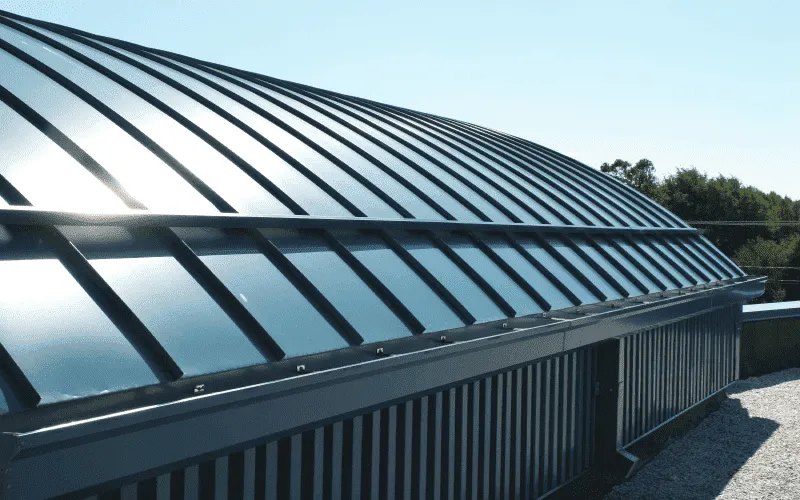
You will see ppgi and ppgl used in many roofing systems around the world. Both materials offer weather resistance and a clean, modern look. Homeowners and builders choose ppgi for residential roofs because it provides good protection at a lower cost. You can use ppgi for sheds, garages, and warehouses where budget matters most. PPGL stands out in places with harsh weather, salt air, or strong sunlight. The aluminum-zinc alloy in ppgl helps roofs last longer, even with long-term outdoor exposure. If you want long-term roofing investments, ppgl gives you peace of mind in coastal or industrial areas.
Tip: Choose ppgi for standard roofs in mild climates. Pick ppgl for durability-focused applications in tough environments.
Construction Uses
You can use ppgi and ppgl for many construction projects. These materials work well for wall cladding, false ceilings, sandwich panels, and prefabricated structures. Wall cladding with ppgi gives you a cost-effective solution for offices, schools, and shops. PPGL offers better performance for factories and buildings near the ocean. The table below shows how you can decide between ppgi and ppgl for wall cladding:
| Selection Factor | PPGI (Galvanized) | PPGL (Galvalume) | Best Use Case |
|---|---|---|---|
| Corrosion Resistance | Good (5–10 years in mild climates) | Excellent (15–25 years in harsh conditions) | PPGL for coastal/industrial areas |
| Heat Reflectivity | Moderate | High (due to aluminum content) | PPGL for hot climates |
| Cost | Lower (cost-effective) | Higher (premium investment) | PPGI for budget projects |
| Lifespan | 8–12 years (standard coating) | 15–30 years (heavy-duty coating) | PPGL for long-term durability |
You will also find ppgi and ppgl in fencing, gates, rolling shutters, garage doors, soffits, fascia boards, and ducting for HVAC systems. These uses show how flexible and reliable these materials are for long-term outdoor projects and buildings that need low maintenance.
Other Common Applications
You can find ppgi and ppgl in many products outside of construction. In the automotive industry, manufacturers use these materials for interior trims, underbody panels, and HVAC enclosures. Truck trailers, cargo boxes, and camper bodies use ppgi and ppgl for lightweight strength and corrosion resistance. In household appliances, you will see these materials in refrigerator cabinets, washing machine drums, oven enclosures, and air conditioner casings. The smooth finish makes cleaning easy and helps appliances look modern. You can also find ppgi and ppgl in commercial vehicle exteriors and decorative interior panels. These materials give you color stability, thermal efficiency, and a wide range of design options.
Note: When you choose ppgi or ppgl, you get a product that works well for both construction and non-construction needs. You can trust these materials for projects that require long-term outdoor use and durability.
How to Choose: PPGI or PPGL?
Project Requirements
You should start by looking at your project’s needs. Every building or renovation has unique demands. If you want a roof or wall that lasts over 25 years with little maintenance, ppgl is a smart choice. You get strong corrosion resistance and a modern finish. If your project needs vibrant colors or you plan to shape the steel into complex forms, ppgi works well. You can use ppgi for standard buildings, schools, or shops where cost matters most.
Industry experts recommend matching your material to your goals. Here is a table to help you decide:
| Criteria | Recommendation |
|---|---|
| Analyze the Environment | Choose ppgl for coastal, industrial, or highly humid projects. |
| Define the Budget | Choose ppgi if initial cost is the most limiting factor. |
| Consider Long-Term Value | Invest in ppgl for structures meant to last 25+ years with minimal upkeep. |
| Check Aesthetic Needs | ppgi offers vibrant colors; ppgl provides a modern matte finish. |
| Review Thermal Needs | ppgl is better for applications requiring heat reflection. |
Tip: Write down your project’s main goals before you select ppgi vs ppgl steel sheets.
Environmental Factors
You need to think about the environment where you will install the steel sheets. Humidity, salinity, and pollution can change how long your material lasts. In coastal areas, saltwater speeds up corrosion. Industrial zones have chemicals that damage steel. Rural areas have humidity and farm chemicals.
Here is a table that shows how ppgi and ppgl perform in different environments:
| Environment Type | PPGI Performance | PPGL Performance |
|---|---|---|
| Urban and Industrial Environments | Adequate in moderate pollution levels | Superior resistance to industrial chemicals |
| Coastal and Marine Environments | Corrodes faster due to saltwater exposure | Better corrosion resistance against salinity |
| Rural and Agricultural Environments | Resilient but less than ppgl | Enhanced resistance to humidity and chemicals |
You should choose ppgl for harsh environments. If your project is in a mild climate, ppgi gives you good value.
Budget Considerations
Budget plays a big role in the ppgi vs ppgl decision. You want to balance cost with performance. ppgi is more affordable, so you can use it for standard building needs. You save money at the start. ppgl costs more, but you spend less on repairs and replacements. Over time, ppgl gives you long-term savings.
Here is a table that compares costs:
| Material | Cost Range | Impact on Material Selection |
|---|---|---|
| PPGI | More affordable | Suitable for standard building needs |
| PPGL | Slightly more expensive | Offers long-term cost savings due to durability and corrosion resistance |
- ppgi is generally more affordable than ppgl.
- ppgi is suitable for standard building needs.
- ppgl, while more expensive, provides long-term cost savings through reduced maintenance.
Note: You should ask your supplier for recommendations based on your project’s location, expected lifespan, and budget.
You can make the right choice by considering your project requirements, environment, and budget. If you need help, consult a trusted supplier. They can guide you to the best option for your needs.
Buyer Concerns and Advice
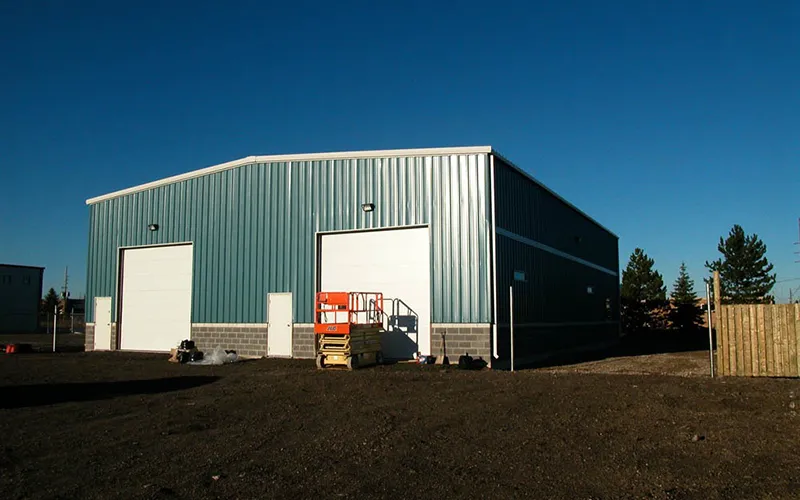
Maintenance Tips
You want your ppgi and ppgl steel sheets to last as long as possible. Regular care helps you protect your investment and avoid costly repairs. Start by understanding what affects roofing sheet durability. Climate, installation quality, metal type, and maintenance frequency all play a role. You should inspect your steel sheets at least twice a year. Early detection of damage prevents bigger problems. Clean the surfaces once a year to remove dirt, salt, and other contaminants. Use mild soap and water. Avoid harsh chemicals that can damage the coating. Protect the surface from scratches and dents during installation and routine maintenance. These steps help you maximize the lifespan of your ppgi and ppgl products.
Sustainability
You may care about the environmental impact of your building materials. Both ppgi and ppgl support sustainable building practices. Their reflective surfaces help reduce urban heat island effects. You can lower cooling energy consumption by 20–30% in well-insulated structures. At the end of their service life, you can recycle both materials. This supports circular economy goals and reduces waste. Manufacturers use precision coil coating to minimize waste during production. You make an environmentally responsible choice when you select ppgi or ppgl for green construction projects.
Tip: Choosing recyclable materials like ppgi and ppgl helps you build a greener future. ♻️
Warranty and Support
You want peace of mind when you buy steel sheets. Leading manufacturers offer warranties that protect your purchase. You can find warranty periods ranging from 15 to 20 years. The table below shows typical warranty periods from trusted sources:
| Warranty Period | Source |
|---|---|
| 15 years | HK Rogo Steel |
| 20 years | Younger Parts |
Manufacturers also provide improved product quality and enhanced after-sales service. You benefit from a shortened product development cycle, which means you get the latest innovations faster. Ask your supplier about available warranties and support options. Reliable after-sales service ensures you get help if you face any issues with your ppgi or ppgl sheets.
Note: Always check the warranty details before you buy. Good support makes your investment safer and easier to manage.
Common Buyer Concerns:
- Durability in harsh environments
- Cost-effectiveness over time
- Quality assurance through standards and certifications
You can address these concerns by choosing the right material, following maintenance tips, and checking warranty options.
You now understand the main differences in the ppgi vs ppgl comparison. The table below highlights key features:
| Feature | PPGI | PPGL |
|---|---|---|
| Metal Coating | Zinc | 55% Al-Zn-Si Alloy |
| Corrosion Resistance | Good | Excellent |
| Lifespan (Coastal) | 10–15 years | 20–30 years |
| Cost | Lower | 10–30% higher |
For the best results:
- Match your choice to your project’s environment and lifespan needs.
- Request samples and check supplier quality.
- Consult experts for personalized advice.
- Weigh both short-term costs and long-term value.
FAQ
What is the main difference between PPGI and PPGL?
You will find that PPGI uses a zinc coating, while PPGL uses an aluminum-zinc alloy. This difference changes how each material resists corrosion and heat.
Can you use PPGI and PPGL for the same projects?
You can use both for roofing and wall panels. PPGL works better in coastal or industrial areas. PPGI fits standard environments where cost matters most.
How do you maintain PPGI and PPGL sheets?
You should clean the surface with water and mild soap once a year. Inspect for scratches or damage. Touch up any exposed areas with matching paint to prevent rust.
Is PPGL always more expensive than PPGI?
PPGL usually costs 10–30% more than PPGI. You pay more for better corrosion resistance and a longer lifespan. The higher price often means lower maintenance costs over time.
Which material is better for hot climates?
PPGL handles higher temperatures, up to 350°C. The aluminum-zinc alloy reflects more heat. You should choose PPGL if your project faces strong sunlight or high temperatures.
Are PPGI and PPGL sheets recyclable?
Yes, you can recycle both PPGI and PPGL sheets. Recycling helps reduce waste and supports green building practices. ♻️