


Project Overview
For roofing sheet manufacturers, receiving protected Prepainted steel coils in dry and rust-free condition is essential for maintaining production efficiency and finished-product quality. Even when the steel itself meets the required specifications, moisture entering the container during transportation can cause oxidation, surface staining, packaging damage, and production delays.

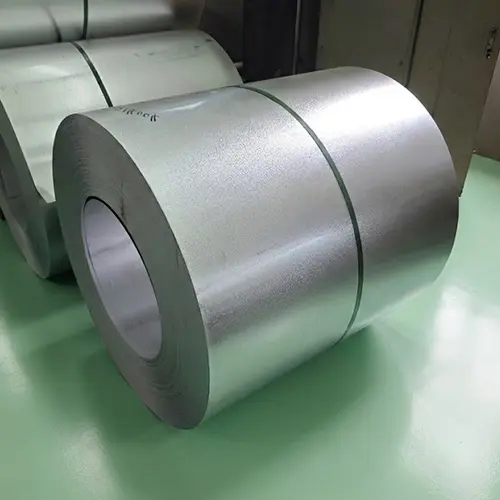
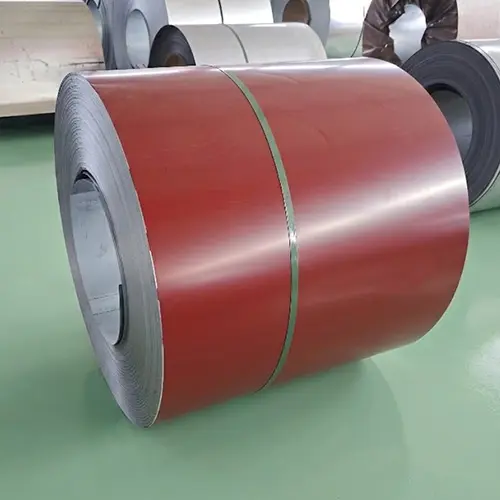
This project involved a roofing sheet manufacturer in Nigeria that ordered prepainted galvanized steel coils for corrugated roofing sheet production.
The main specifications included:
- Thickness: 0.16 mm and 0.18 mm
- Width: 1,200 mm
- Colors: white, green, blue, and red
- Application: corrugated and trapezoidal roofing sheet production
- Destination market: Nigeria
- Transportation method: ocean container shipping
Because Nigeria has a hot and humid tropical climate, the customer was particularly concerned about moisture damage during long-distance transportation. Thin-gauge prepainted steel coils require careful handling because moisture can affect the coil edges, inner layers, packaging materials, and painted surface.
Our task was not only to manufacture the coils according to the customer’s thickness, width, and color requirements, but also to develop a practical moisture-protection solution for the entire shipping process.
The Customer’s Main Concern
The customer had experience purchasing steel coils from overseas suppliers and understood that ocean transportation could expose the cargo to several moisture-related risks.
The main concerns included:
- Seawater entering a damaged container
- Condensation forming on the inner walls and roof of the container
- Rainwater reaching the cargo during loading or inland transportation
- Moisture penetrating damaged or insufficient packaging
- Rust developing on coil edges or unprotected metal packaging
- Water stains affecting the surface appearance of the prepainted steel
For a roofing sheet factory, these problems can create more than a cosmetic issue.
If the coil edges begin to oxidize, the affected material may need to be removed before production. If moisture reaches the painted surface, the customer may experience staining, coating damage, adhesion problems, or inconsistent finished roofing sheets.
For thin steel coils such as 0.16 mm and 0.18 mm, even a small amount of material loss can affect production yield and increase the cost per finished sheet.
The customer therefore needed a supplier that could consider both product quality and transportation risk.
Why Steel Coils Become Wet Inside Containers

Many buyers assume that cargo becomes wet only when seawater or rainwater directly enters the container. In practice, container condensation is another major cause of moisture damage.
During ocean transportation, the temperature inside the container changes repeatedly.
Containers may be exposed to strong sunlight during the day, causing the air and cargo inside to become warmer. At night, the outside temperature can drop. When warm, moisture-containing air comes into contact with the cooler metal walls and roof of the container, water droplets can form.
This phenomenon is commonly called container condensation or container rain.
The droplets may collect on the inner roof and walls before falling onto the cargo. Even when the container has no obvious holes, condensation can still create a humid environment around the steel coils.
For shipments to tropical countries such as Nigeria, the risk can increase because of:
- High outdoor temperatures
- High relative humidity
- Significant temperature differences between day and night
- Long ocean transit times
- Port storage under direct sunlight
- Repeated changes between coastal, inland, and warehouse environments
In addition to condensation, a container with damaged door seals, small holes, corrosion, or poor structural condition may allow rainwater or seawater to enter.
This is why moisture protection must begin before the cargo is loaded.
Our Moisture-Protection Solution
After reviewing the product specifications, destination climate, transportation route, and customer concerns, we implemented a multi-step moisture-control plan.
The solution focused on three main areas:
- Container condition
- Moisture absorption
- Physical rain and water protection
1. Inspecting the Container Before Loading
Before loading the steel coils, our team carefully inspected the container.
The inspection included checking:
- Container roof and side walls
- Floor condition
- Door seals
- Locking bars
- Visible holes or cracks
- Corrosion damage
- Signs of previous water leakage
- Cleanliness and dryness inside the container
- Unusual odors or chemical contamination
A light test can also help identify small holes. When the container doors are closed, visible light entering through the roof or walls may indicate damage.
The container floor must be dry before loading. If the floor contains moisture, the humidity inside the container may increase during transportation.
We rejected unsuitable containers and selected a unit with good sealing performance and no visible water-entry points.
This step reduced the risk of external rainwater or seawater reaching the coils.
2. Placing Desiccants Inside the Container
After confirming that the container was clean and dry, we placed container desiccants inside.
The purpose of the desiccants was to absorb moisture from the air and reduce the amount of water available for condensation.
The desiccants were positioned securely so that they would not fall onto the coils or interfere with unloading.
The quantity and placement were considered according to:
- Container size
- Estimated transportation time
- Destination climate
- Cargo type
- Expected humidity level
Desiccants cannot replace proper packaging or container inspection. However, they provide an additional layer of protection by helping control the internal humidity during transportation.
For shipments to humid tropical regions, this is an important preventive measure.
3. Covering the Steel Coils with a PVC Rainproof Tarpaulin
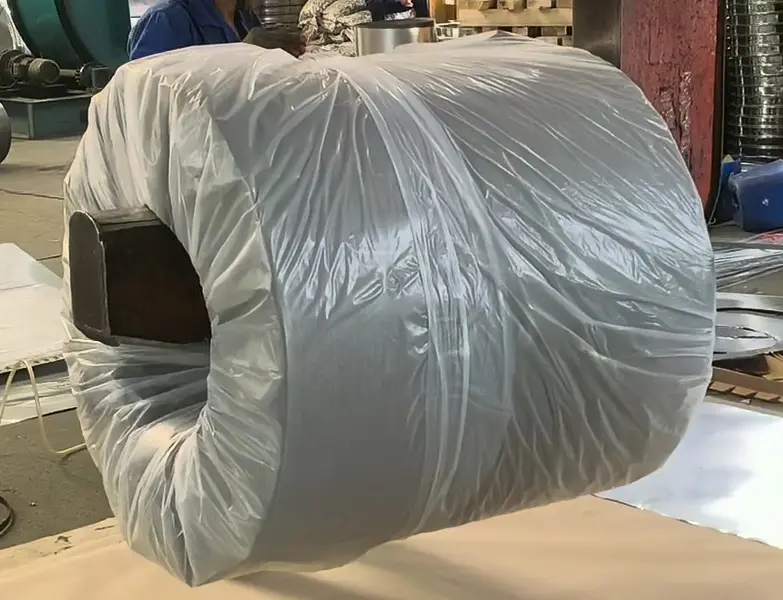
During loading and inland transportation to the port, weather conditions can change quickly. Rain may reach the cargo before the container doors are closed, especially when loading is carried out outdoors.
To reduce this risk, we covered the steel coils with a PVC rainproof tarpaulin.
The PVC cover helped protect the cargo from:
- Rain during truck transportation
- Water splashes
- Temporary outdoor storage
- Unexpected weather during loading
- Water dripping from surrounding equipment or structures
The tarpaulin was positioned to cover the upper and exposed areas of the coils while avoiding sharp tension points that could tear the material.
This measure was especially important because the order included white, green, blue, and red prepainted coils. The painted surface needed to remain clean and free from water marks before reaching the customer’s roofing sheet production line.
Packaging Considerations for Thin Prepainted Steel Coils
The ordered coils had thicknesses of 0.16 mm and 0.18 mm. Thin-gauge materials require additional attention during packaging and handling.
If the coil is not properly supported, excessive pressure, impact, or movement may cause:
- Edge deformation
- Telescoping
- Surface scratches
- Coil collapse
- Packaging breakage
- Damage during unloading
Moisture protection therefore had to work together with mechanical protection.
The coils were packed to reduce direct exposure to humid air and transportation conditions. Packaging materials were checked before loading to ensure that they were complete and undamaged.
The steel coils were also secured inside the container to reduce movement during ocean transportation.
Stable cargo positioning is important because movement can damage the outer packaging. Once the protective packaging is torn, moisture may enter more easily.
Color and Surface Quality Control
The customer ordered four colors: white, green, blue, and red.
Before packaging, we checked the coils for:
- Color consistency
- Surface cleanliness
- Coating appearance
- Visible scratches
- Edge condition
- Coil shape
- Width and thickness
- Packaging condition
For roofing sheet manufacturers, color consistency is especially important when several coils are used for the same market or project.
A visible color difference between production batches can affect the appearance of completed roofs. For this reason, product inspection and proper identification were completed before shipment.
Labels were used to distinguish the different colors and specifications, helping the customer organize production after the cargo arrived.
Benefits for the Nigerian Roofing Sheet Manufacturer
The moisture-control plan provided several practical benefits for the customer.
Reduced Risk of Rust and Oxidation
By checking the container condition, using desiccants, and adding a PVC rainproof cover, the risk of water reaching the steel coils was reduced.
This was particularly important for the coil edges, packaging joints, and exposed metallic areas.
Better Protection of the Painted Surface
The prepainted surface was protected from rainwater, condensation droplets, dirt, and water stains.
This helped the customer maintain the required appearance of the finished white, green, blue, and red roofing sheets.
Lower Material Waste
Moisture-damaged material may need to be cut away before production. Preventing moisture exposure helped reduce potential coil waste and improve material utilization.
For 0.16 mm and 0.18 mm coils, improving yield is important because the customer produces a large number of roofing sheets from each coil.
More Stable Production Planning
When coils arrive in usable condition, the roofing factory can move them into production without additional drying, cleaning, inspection, or reprocessing.
This helps reduce downtime and allows the customer to plan production more accurately.
Lower Claim and Replacement Risk
A complete moisture-protection process helps reduce disputes related to rust, water damage, and packaging failure.
It also gives both the supplier and the customer clearer quality-control records before shipment.
Practical Recommendations for Importers in Tropical Markets
Based on this project, roofing sheet manufacturers and steel importers in tropical countries should consider the following measures when purchasing steel coils:
- Request container inspection before loading
- Avoid containers with holes, damaged seals, or wet floors
- Use suitable container desiccants
- Protect coils from rain during truck transportation and loading
- Use waterproof and moisture-resistant packaging
- Check all packaging for damage before container loading
- Secure the coils properly to prevent movement
- Keep loading records and photographs
- Inspect the cargo promptly after arrival
- Store coils in a dry, ventilated warehouse
Moisture protection should not be treated as a single packaging step. It is a complete process involving production, packaging, inland transportation, container selection, loading, ocean shipping, unloading, and warehouse storage.
Project Result
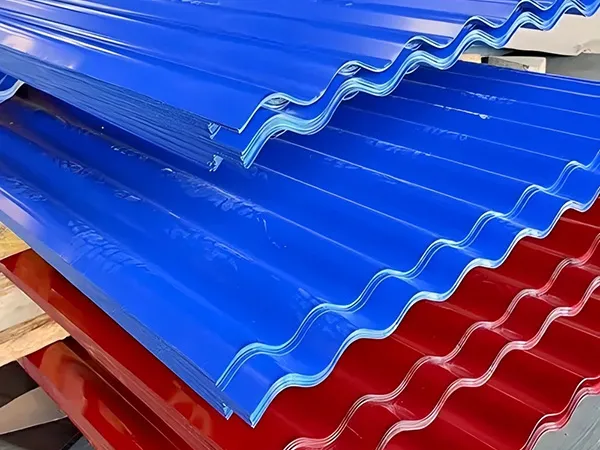
For this Nigerian roofing sheet customer, we developed a shipment solution based on the actual climate and transportation risks of the destination market.
The 0.16 × 1,200 mm and 0.18 × 1,200 mm prepainted steel coils were prepared in white, green, blue, and red for roofing sheet production.
Before loading, the container was inspected to confirm that it was dry, clean, structurally sound, and properly sealed. Desiccants were placed inside the container to help control humidity. A PVC rainproof tarpaulin was used to protect the coils during loading and transportation to the port.
These measures created multiple layers of protection against seawater entry, rainwater exposure, container condensation, and moisture penetration.
Conclusion
Keeping steel coils dry during container transportation requires more than wrapping the cargo and closing the container doors.
For shipments to Nigeria and other tropical markets, suppliers must consider temperature changes, humidity, condensation, rain exposure, container condition, and packaging integrity.
In this project, our solution combined:
- Strict container inspection
- Container desiccants
- PVC rainproof covering
- Packaging condition checks
- Secure loading
- Surface and specification inspection
By managing these risks before shipment, we helped the customer reduce the possibility of rust, coating damage, material waste, and production delays.
At WITOP Material, we believe that a reliable steel coil supplier should not only provide the correct thickness, width, color, and coating. The supplier should also consider how the material will be transported, received, stored, and used at the customer’s factory.
For roofing sheet manufacturers importing prepainted steel coils into Nigeria or other hot and humid markets, a well-designed moisture-protection plan can make a significant difference in product quality and total purchasing cost.