

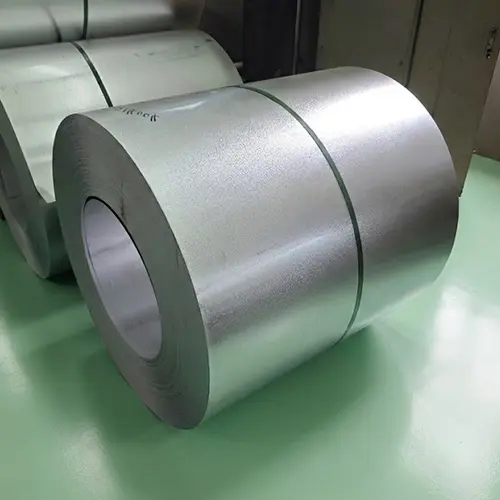
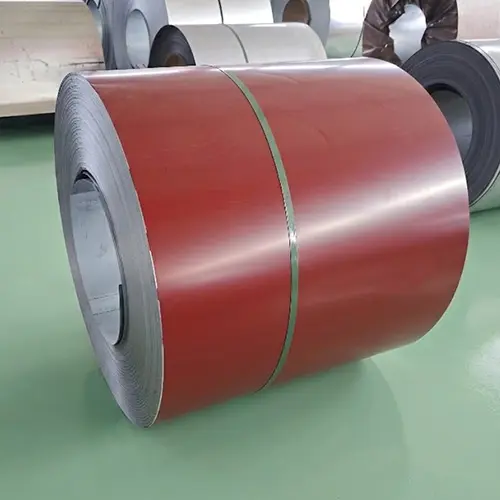

You face harsh conditions in coastal areas, where salt, humidity, and strong winds can quickly damage ordinary roofing. Aluzinc stands out as the best choice because it resists corrosion better than other materials and keeps its quality for 25 to 40 years. Salt spray and high humidity speed up the breakdown of most metals, but aluzinc’s advanced coating protects your roof from these threats. You get a roofing solution that offers proven quality, low maintenance, and long-lasting performance. That is Why Aluzinc Steel Sheet Performs Better in Coastal Areas.
Key Takeaways
- Aluzinc steel sheets resist corrosion better than other materials, making them ideal for coastal roofing.
- The unique aluminum-zinc coating protects against salt, humidity, and harsh weather, ensuring longevity.
- Expect Aluzinc roofing to last 25 to 40 years, significantly longer than traditional galvanized steel.
- Low maintenance needs mean you save time and money on repairs, allowing for peace of mind.
- Aluzinc steel sheets outperform galvanized steel in corrosion resistance, lasting 2 to 6 times longer.
- Choose Aluzinc for its strength, durability, and cost-effectiveness in coastal environments.
- Installation is straightforward, reducing labor costs and time on site due to the lightweight nature of the sheets.
- Aluzinc roofing is environmentally friendly, as it lasts longer and is fully recyclable, lowering your carbon footprint.
What Is Aluzinc Steel Coil?
When you look for a roofing material that can handle tough coastal conditions, you want something strong and reliable. Aluzinc steel coil gives you that confidence. This material stands out because of its unique composition, structure, and manufacturing process. You will see why so many builders and homeowners trust aluzinc steel coil for their projects.

Composition and Structure
Aluzinc steel coil combines three main elements. Each one plays a key role in making the product last longer and perform better.
Aluminum-Zinc Alloy Coating
The special coating on aluzinc steel coil protects your roof from harsh weather. This coating uses a mix of aluminum, zinc, and silicon. The aluminum makes up most of the coating and gives strong anti-corrosive protection. Zinc acts as a barrier to keep the steel safe. Silicon helps the coating stick firmly to the steel core. Here is a table that shows the exact composition:
| Element | Percentage |
|---|---|
| Aluminium | 55% |
| Zinc | 43.4% |
| Silicon | 1.6% |
You can also see the breakdown in this chart:
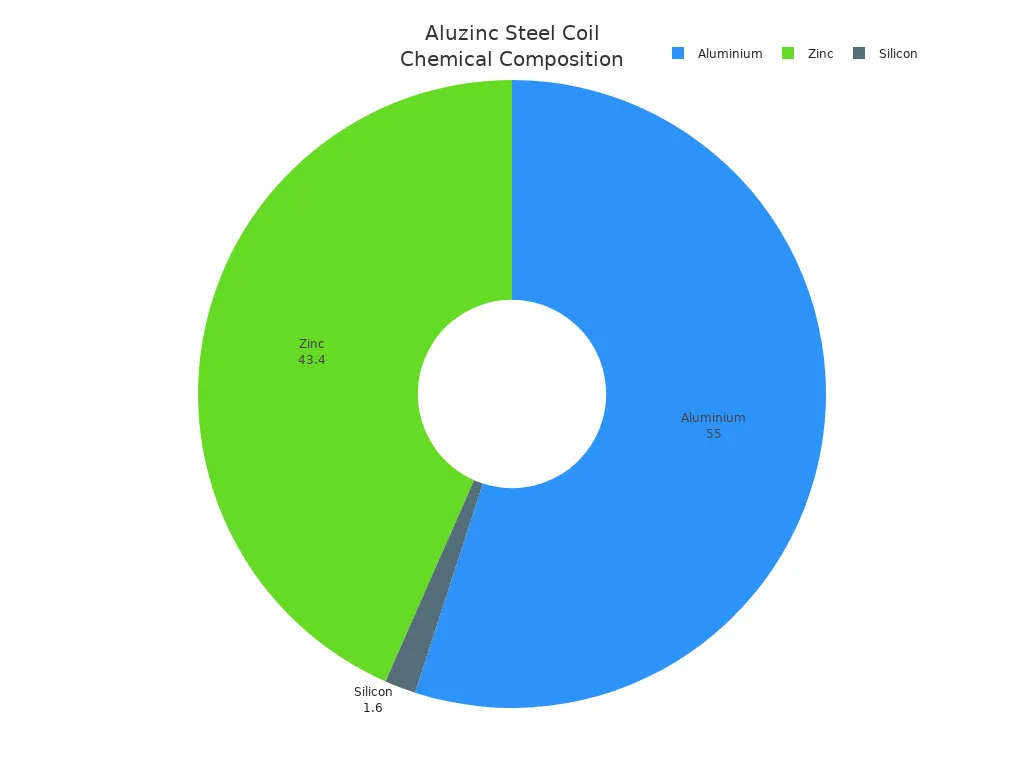
This special coating forms a shield that keeps salt, moisture, and chemicals away from the steel. You get a roof that stands up to the elements year after year.
Steel Core
At the heart of every aluzinc steel coil, you find a strong steel core. This core gives the coil its strength and shape. The steel supports the special coating, making sure your roof stays sturdy even in high winds or storms. You can trust the steel core to hold up under pressure.
Manufacturing Process
Manufacturers create aluzinc steel coil using a continuous hot-dip process. They dip the steel sheet into a bath of molten aluminum, zinc, and silicon. This process covers the steel with a uniform special coating. The result is a smooth, even layer that bonds tightly to the steel core. You get a product that resists peeling, flaking, and rusting. This process also ensures that every inch of the coil gets the same level of protection.
Why Aluzinc Is Unique
You will notice that aluzinc steel coil stands apart from other roofing materials. The special coating gives it superior corrosion resistance. This means your roof can last 25 to 40 years, even in salty, humid air. Galvanized steel, by comparison, usually lasts only 10 to 20 years. The unique blend of aluminum, zinc, and silicon in the special coating offers both chemical and mechanical protection. You get a roof that needs less maintenance and gives you peace of mind.
Tip: If you want a roofing material that combines strength, durability, and long-term value, aluzinc steel coil is the smart choice for coastal projects.
Aluzinc steel coil is not just another metal sheet. You get a product designed for performance, built to last, and trusted by professionals everywhere.
Why Aluzinc Steel Sheet Performs Better in Coastal Areas
Corrosion Resistance in Coastal Areas
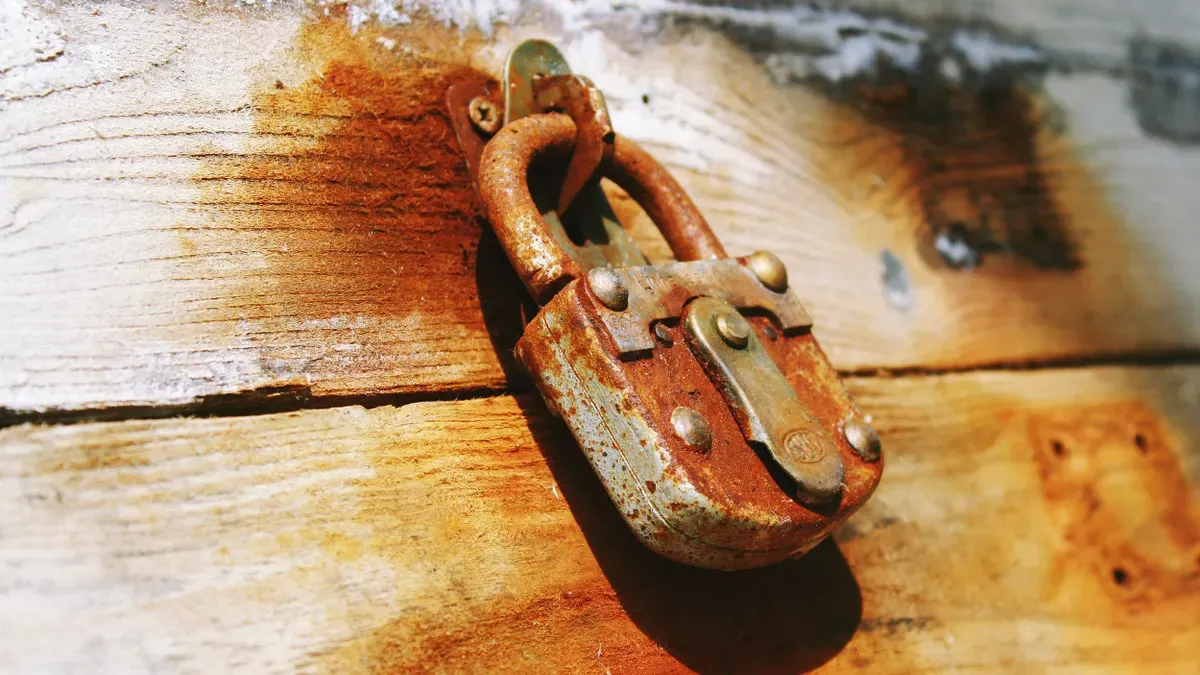
When you choose roofing for coastal areas, you need strong protection against rust and corrosion. Aluzinc gives you a superior protective layer that stands up to salt, humidity, and harsh weather. The coating on aluzinc steel sheet contains 55% aluminum, 43.4% zinc, and 1.6% silicon. This blend creates a shield that blocks moisture and chemicals from reaching the steel core. You see why aluzinc steel sheet performs better in coastal areas when you compare its corrosion resistance to other materials.
Salt Spray Protection
Salt in the air attacks most metals and causes rust. Aluzinc steel sheet offers strong protection against rust because of its unique coating. Laboratory tests show that aluzinc steel sheets last over 2000 hours in neutral salt spray conditions. This performance is more than twice that of ordinary galvanized steel plates. You get a roof that stays strong and rust-free, even in high-rainfall zones near the ocean.
- Aluzinc steel sheet resists salt spray for over 2000 hours.
- The coating prevents salt from causing corrosion and rust.
- You enjoy longer-lasting roofing with less maintenance.
Humidity and Chemical Resistance
Humidity speeds up corrosion and rust. Aluzinc steel sheet performs better in coastal areas because its coating blocks moisture and chemicals. The aluminum in the coating forms a barrier that stops water from reaching the steel. Zinc adds extra protection against rust. Silicon helps the coating stick tightly, so it does not peel or flake. You get high resistance to oxidation and corrosion, even when your roof faces constant humidity.
Note: Aluzinc steel sheet gives you reliable protection in coastal areas where humidity and salt threaten ordinary roofing.
Longevity and Durability
You want roofing that lasts for decades. Aluzinc delivers durability and longevity that outperforms other materials. The special coating keeps rust away and protects your roof from harsh weather.
Lifespan Compared to Galvanized Steel
Aluzinc steel sheet performs better in coastal areas because it lasts much longer than galvanized steel. You can see the difference in this table:
| Material Type | Corrosion Resistance Level | Composition |
|---|---|---|
| Aluzinc Steel | 2 to 6 times greater | 55% aluminum, 43.4% zinc, 1.6% silicon |
| Ordinary Galvanized Steel | Baseline | Standard galvanized steel |
- Aluzinc steel sheets last 20 to 30 years in coastal areas with minimal maintenance.
- Traditional galvanized iron sheets last only 4 to 6 years in similar environments.
- Aluzinc outperforms plain galvanized steel by 3 to 6 times in corrosion resistance.
You get roofing that stays strong and rust-free for decades. This durability means you spend less time and money on repairs.
Resistance to Rust and Oxidation
Aluzinc steel sheet gives you strong protection against rust and high resistance to oxidation. The alloy coating, cured at high temperatures, blocks moisture and salt from causing corrosion. You see excellent weather performance in marine environments. The coating keeps your roof safe from rust, even when exposed to salt and humidity every day.
Low Maintenance Needs
You want roofing that does not need constant care. Aluzinc steel sheet performs better in coastal areas because it requires low maintenance. The coating protects your roof from rust and corrosion, so you do not have to worry about frequent repairs. You save time and money because the superior protective layer keeps your roof in good shape.
- Aluzinc steel sheet needs minimal maintenance.
- The coating prevents rust and corrosion, reducing repair costs.
- You enjoy peace of mind with roofing that stays strong for years.
Tip: Choose aluzinc steel sheet for coastal areas if you want roofing that combines durability, strong protection against rust, and low maintenance.
You see why aluzinc steel sheet performs better in coastal areas. The coating gives you unmatched corrosion resistance, strong protection against rust, and durability. You get roofing that lasts longer, needs less maintenance, and stands up to salt, humidity, and harsh weather.
Performance Comparison with Other Materials
Aluzinc vs. Galvanized Steel
You want your roofing to last in coastal environments. Aluzinc gives you a clear advantage over galvanized steel. Galvanized steel uses a zinc coating that protects the steel, but salt and humidity can break down this layer quickly. Aluzinc uses a blend of aluminum and zinc, which forms a stronger barrier. You see a difference in lifespan. Aluzinc roofing can last 25 to 40 years, while galvanized steel often needs replacement after 10 to 20 years. You spend less time worrying about rust and more time enjoying reliable protection.
- Aluzinc resists corrosion 2 to 6 times better than galvanized steel.
- Galvanized steel needs frequent maintenance in coastal areas.
- Aluzinc roofing offers longer service life and lower repair costs.
Tip: Choose aluzinc for coastal projects if you want a roof that stands up to salt and humidity.
Aluzinc vs. Aluminum Roofing
You may consider aluminum roofing for coastal areas. Aluminum resists corrosion well, but it lacks the strength of steel. Aluzinc combines the best features of both metals. You get the corrosion resistance of aluminum and the strength of steel. Aluzinc roofing stays strong during storms and high winds. Aluminum roofing can dent or deform more easily. You also notice that aluzinc costs less than pure aluminum roofing, making it a smart choice for budget-conscious homeowners.
- Aluzinc provides strong protection and durability.
- Aluminum roofing resists rust but may not handle heavy impacts.
- Aluzinc offers better value for coastal roofing projects.
Note: Aluzinc gives you a balance of strength, corrosion resistance, and affordability.
Aluzinc vs. Traditional Materials
You see many traditional materials used for roofing, such as clay tiles, asphalt shingles, and galvanized steel. These materials often require coatings or treatments to resist corrosion. Aluzinc steel sheets do not need extra coatings. The alloy layer protects your roof from rust and weather damage. You get superior durability and corrosion resistance compared to traditional options.
Here is a comparison table:
| Material | Durability | Corrosion Resistance |
|---|---|---|
| Aluzinc Steel Sheets | Superior | Highly resistant to rust |
| Traditional Materials | Varies (e.g., galvanized steel requires coatings) | Requires coatings for protection |
- Aluzinc roofing lasts longer and needs less maintenance.
- Traditional materials may fail faster in coastal climates.
- You enjoy peace of mind with aluzinc, knowing your roof stays strong.
Callout: Aluzinc steel sheets outperform traditional roofing materials in both durability and resistance to corrosion.
You make a smart investment when you choose aluzinc for your roofing. You get a roof that stands up to coastal challenges, lasts for decades, and saves you money on repairs.
Practical Considerations
Cost and Value
You want to make a smart investment when you choose roofing for coastal areas. Aluzinc offers a balance between price and performance. You pay between £27.25 and £38.50 for each sheet, excluding VAT. This price range gives you access to a material that lasts longer and needs less maintenance than many alternatives. You save money over time because you avoid frequent repairs and replacements. Aluzinc roofing stands up to harsh weather, so you protect your home and your wallet.
- Aluzinc costs less than pure aluminum roofing.
- You get a longer lifespan compared to traditional materials.
- The low maintenance needs help you save on upkeep.
Tip: When you compare the initial cost to the long-term savings, aluzinc proves to be a wise investment for coastal projects.
Installation
You need to consider how easy it is to install your roofing. Aluzinc makes the process straightforward for builders and homeowners. The special coating protects the steel and helps the sheets stay strong during installation. You benefit from a material that resists damage and keeps its shape.
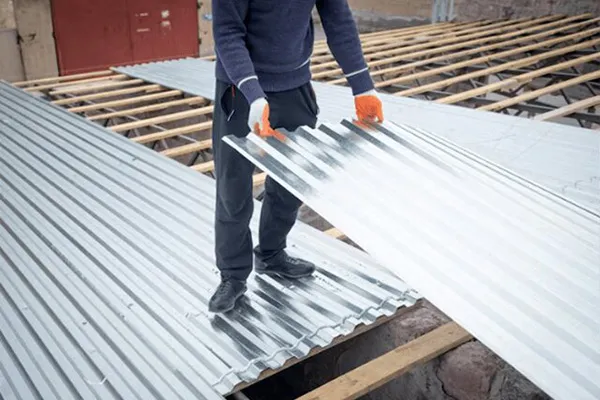
Here is a table that shows the key factors influencing the installation process:
| Property | Description |
|---|---|
| Coating Composition | An alloy of aluminium, zinc, and silicon providing anti-corrosion protection. |
| Oxide Film Formation | Aluminum creates a dense oxide film that blocks oxygen and moisture, delaying rusting. |
| Cathodic Protection | Zinc offers preferential corrosion, protecting the steel substrate from erosion. |
| Environmental Suitability | Effective in humid coastal areas and regions with severe industrial pollution, ensuring longevity. |
You can install aluzinc roofing quickly because the sheets are lightweight and easy to handle. The strong coating prevents scratches and dents, so you get a clean finish. You spend less time on site, and you reduce labor costs.
Note: Aluzinc roofing adapts well to different roof shapes and sizes, making it a flexible choice for many projects.
Environmental Impact
You want to protect the environment while making a good investment in your home. Aluzinc roofing supports sustainability because it lasts longer and reduces waste. The alloy coating helps prevent rust, so you do not need to replace your roof as often. You use fewer resources over time, and you lower your carbon footprint.
Aluzinc sheets can be recycled at the end of their service life. You help conserve natural resources and support eco-friendly building practices. The durability of aluzinc means you avoid the environmental impact of frequent repairs and replacements.
Callout: Choosing aluzinc roofing helps you protect your home and the planet. You make a responsible investment that benefits both your family and the environment.
Applications in Coastal Areas
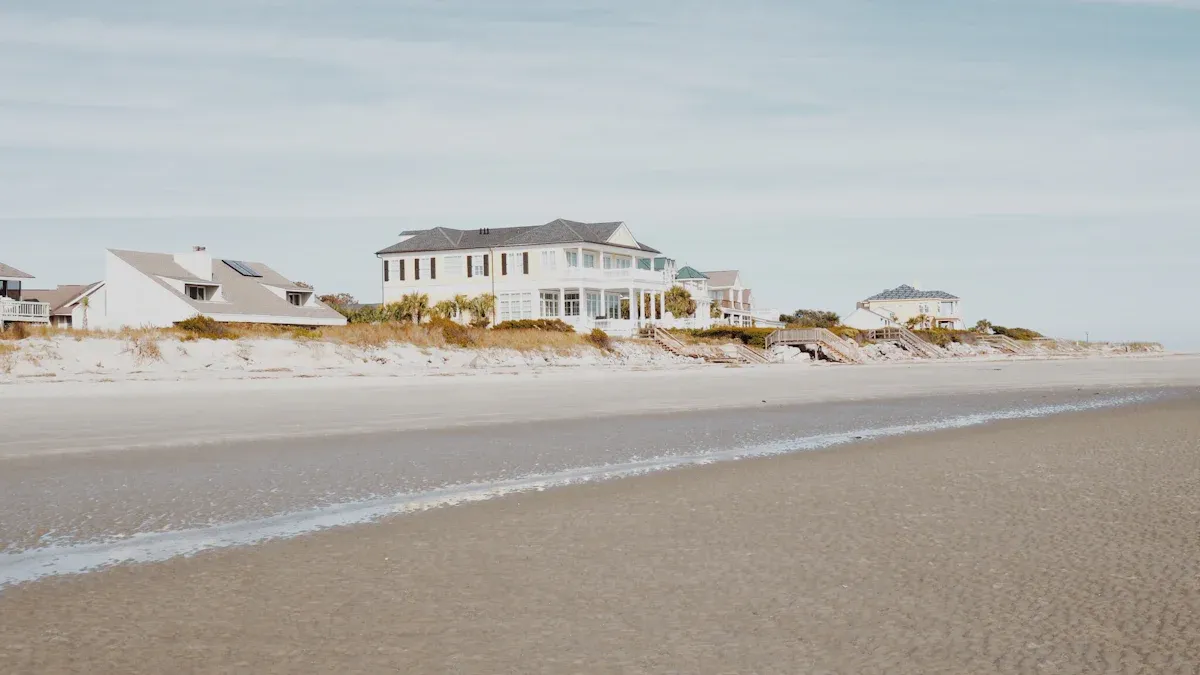
Residential Roofing
You want your home to stay safe and strong, especially near the coast. Salt, wind, and humidity can damage ordinary roofs. Aluzinc-coated roofing gives you a solution that lasts. You get a roof that stands up to harsh weather and keeps your family protected. The special coating blocks rust and stops leaks. You do not need to worry about frequent repairs or early replacement.
Many homeowners choose aluzinc-coated roofing because it looks good and works well. You can pick from different colors and styles to match your house. The material stays bright and clean, even after years of sun and rain. You also save money over time. The roof needs little maintenance, so you do not spend much on repairs. You enjoy peace of mind, knowing your roof will last for decades.
Tip: If you live near the ocean, you should consider aluzinc-coated roofing for its long life and strong protection.
Commercial and Industrial Use
You see many factories, warehouses, and office buildings near the coast. These buildings need strong roofing that can handle tough conditions. Aluzinc steel sheets, also called Galvalume, work well for these projects. You get excellent corrosion resistance, which is important when salt and humidity are high.
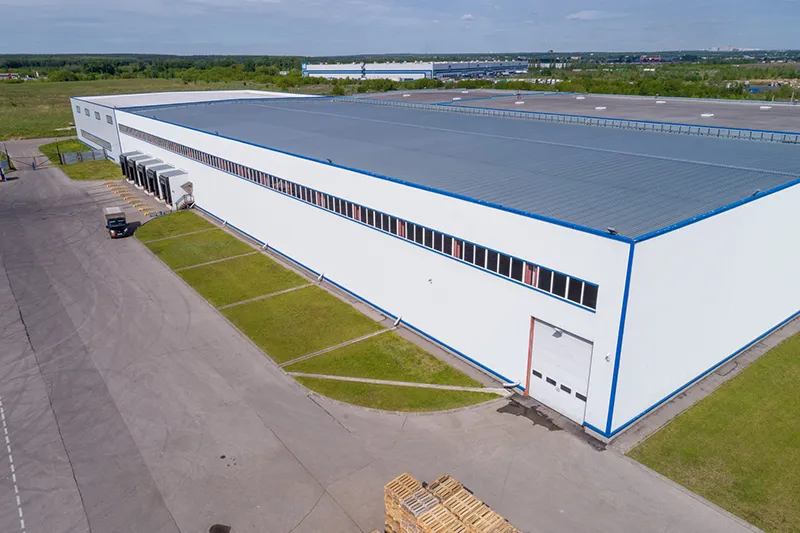
Here are some reasons why businesses choose this material:
- Aluzinc steel sheets last over 50 years in coastal environments.
- The material resists salt spray four times better than ordinary galvanized steel.
- You spend less on maintenance because the roof does not rust or break down easily.
- Roofing and wall systems made from Galvalume steel give you a service life above the industry average.
You want your business to run smoothly. When you use this type of roofing, you avoid costly repairs and downtime. The strong coating protects your building and keeps workers and equipment safe. You also help the environment because you do not need to replace the roof often.
Note: Many builders trust aluzinc steel sheets for commercial and industrial projects because they offer long-term value and strong performance.
You can see that aluzinc-coated roofing works well for both homes and businesses. You get a roof that lasts, saves money, and stands up to the challenges of coastal living.
Myths and Facts About Aluzinc
Longevity Concerns
You might hear some myths about how long Aluzinc steel sheet lasts in coastal environments. Many people believe that salty air and humidity will quickly destroy any metal roof. You should know the facts before making a decision.
Here are some common myths and the truth behind them:
- Aluzinc steel sheet rusts as fast as regular galvanized steel.
- The coating wears off quickly in marine environments.
- Aluzinc cannot handle harsh coastal weather for more than a decade.
You can trust Aluzinc to last much longer than these myths suggest. Aluzinc steel has a corrosion rate that is 3-7 times lower than regular galvanized steel. Even in severe marine environments, Aluzinc has lasted over 20 years, despite some initial coating loss. You should pay attention to cut edges and areas under bolts, as these spots can be more vulnerable to corrosion. If you follow proper installation practices, your roof will stay strong for decades.
🏝️ Fact: Aluzinc steel sheet offers proven durability in coastal areas. You get a roof that stands up to salt, humidity, and wind for 25-40 years.
Maintenance Misconceptions
You may think that Aluzinc steel sheet needs constant maintenance because of the harsh coastal climate. This is not true. The right gauge and installation method make a big difference in how much care your roof needs.
| Specification | Impact on Maintenance |
|---|---|
| 24-gauge | More durable, less prone to denting and material loss under heavy rainfall |
| 26-gauge | Dents easily, loses material integrity sooner in harsh conditions |
If you choose 24-gauge Aluzinc steel sheet, you get a roof that resists dents and stays strong during storms. Thinner sheets, like 26-gauge, can dent easily and lose their shape faster. You should select the right thickness for your project. Aluzinc’s special coating also means you spend less time on repairs. You do not need frequent touch-ups or replacements.
Tip: Pick the proper gauge and install your Aluzinc roof correctly. You will enjoy low maintenance and long-lasting performance.
Cost Myths
Some people believe that Aluzinc steel sheet costs too much for coastal roofing. You might worry about the price compared to other materials. The truth is, Aluzinc gives you better value over time.
You pay a bit more upfront, but you save money because your roof lasts longer and needs fewer repairs. Aluzinc costs less than pure aluminum roofing and outperforms traditional materials in durability. You avoid the expense of frequent replacements and maintenance. You also protect your home from leaks and damage, which can cost much more in the long run.
💡 Fact: Aluzinc steel sheet offers a smart investment for coastal roofing. You get long-term savings, strong protection, and peace of mind.
You can see that Aluzinc steel sheet stands up to myths about longevity, maintenance, and cost. You make a wise choice when you trust Aluzinc for your coastal roofing project.
Choosing Roofing Materials for Coastal Areas
Key Factors
You face unique challenges when you build or renovate in coastal regions. Salt, wind, and moisture can damage many types of roofs. You need to choose materials that stand up to these harsh conditions. The right choice protects your home and saves you money over time.
Here is a table that shows the most important factors to consider:
| Key Factor | Recommendation |
|---|---|
| Salt Exposure | Choose galvanized or stainless steel roofing for better corrosion resistance. |
| Wind Resistance | Opt for roofing systems rated for high-wind resistance, such as certain asphalt shingles and metal roofing. |
| Moisture and Ventilation | Incorporate a proper ventilation system with ridge vents, soffit vents, and gable vents to reduce humidity. |
| Durability | Consider metal roofing, tile roofing, or high-quality asphalt shingles designed for coastal environments. |
| Local Regulations | Consult local authorities to understand specific building codes and regulations for roofing materials. |
You want to select a material that resists salt and moisture. Metal roofing, especially with advanced coatings like aluzinc, offers strong protection. High-wind resistance is also important. Some roofing systems, such as metal panels and certain asphalt shingles, are designed to stay in place during storms. Good ventilation helps prevent mold and keeps your roof dry. Always check local building codes before you start your project. These rules help ensure your roof meets safety standards.
Tip: Look for roofing solutions that combine corrosion resistance, wind protection, and long-term durability. This approach gives you peace of mind in coastal environments.
Questions for Contractors
You should ask the right questions before you hire a contractor for your coastal roofing project. These questions help you find someone who understands the special needs of your area.
- What experience do you have with coastal roofing projects?
- Which materials do you recommend for salt and wind resistance?
- How do you ensure proper ventilation in your roofing designs?
- Can you provide references from other coastal projects?
- Are you familiar with local building codes and regulations?
- What warranty do you offer on both materials and workmanship?
- How do you handle maintenance or repairs if needed?
Asking these questions helps you choose a contractor who can deliver a roof that lasts. You want someone who knows how to install and maintain roofs in tough coastal conditions. A good contractor will explain their process and answer your questions clearly.
Note: The right contractor will help you select the best materials and ensure your roof stands up to the coastal climate.
You gain reliable protection when you choose Aluzinc steel sheet for coastal roofing. The material resists corrosion and lasts for decades, giving you long-term savings and peace of mind. You spend less on repairs because Aluzinc needs little maintenance. Builders and homeowners benefit from its durability and consistent performance. See the corrosion rates and durability in coastal environments:
| Parameter | Marine Atmosphere | Durability (years) |
|---|---|---|
| Bare Steel | 118 µm/year | 1 |
| Galvanized Steel | 5.4 µm/year | 17 |
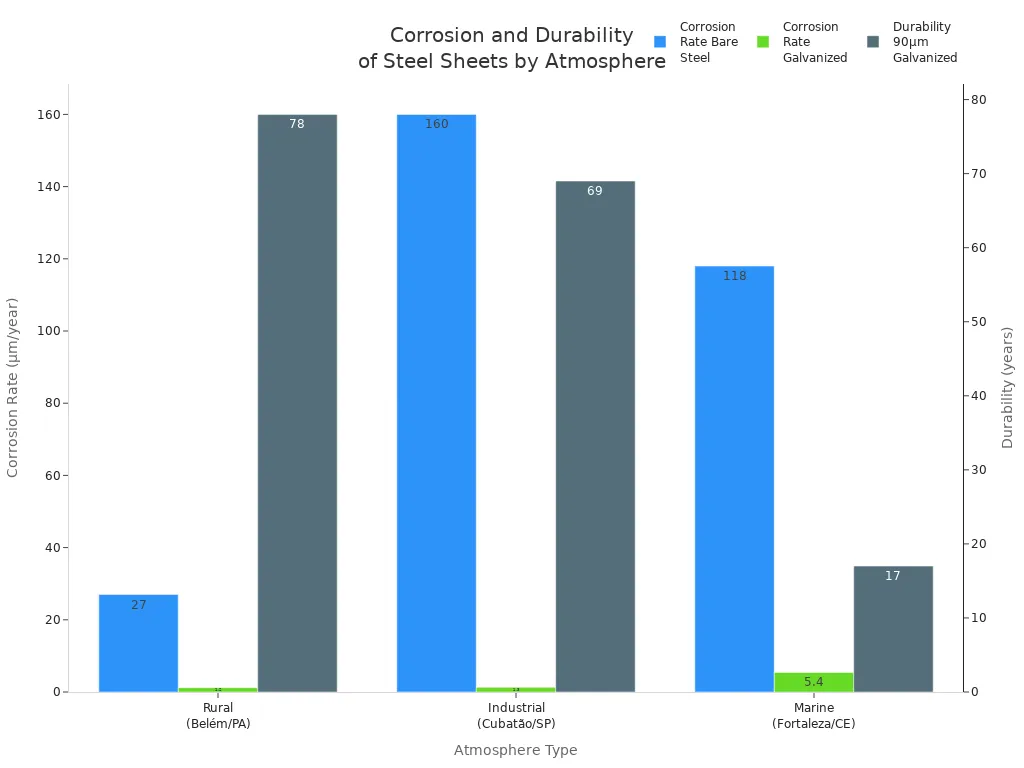
You secure long-term savings and a roof that stands up to harsh coastal weather. Consider Aluzinc for your next project and enjoy lasting value.
FAQ
What makes Aluzinc steel sheet ideal for coastal roofing?
You get strong corrosion resistance from Aluzinc’s aluminum-zinc coating. This shield protects your roof from salt, humidity, and wind. You enjoy a longer lifespan and less maintenance compared to other materials.
How long does Aluzinc steel sheet last in coastal environments?
You can expect Aluzinc steel sheet to last 25 to 40 years in coastal areas. The special coating keeps your roof safe from rust and weather damage.
Does Aluzinc steel sheet require special maintenance?
You do not need frequent maintenance. The protective coating prevents rust and corrosion. You only need to check for damage after storms and clean the roof occasionally.
Is Aluzinc steel sheet more expensive than galvanized steel?
You pay a bit more upfront for Aluzinc. You save money over time because your roof lasts longer and needs fewer repairs. Aluzinc offers better value for coastal projects.
Can you install Aluzinc steel sheet on any roof shape?
You can install Aluzinc steel sheet on most roof shapes. The sheets are lightweight and flexible. Builders find them easy to handle and cut for custom designs.
Is Aluzinc steel sheet environmentally friendly?
You help the environment by choosing Aluzinc. The sheets last longer, reduce waste, and are fully recyclable. You lower your carbon footprint with fewer replacements.
What gauge should you choose for coastal roofing?
You should select 24-gauge Aluzinc steel sheet for coastal areas. This thickness resists dents and stays strong during storms. Thinner sheets may not last as long.