

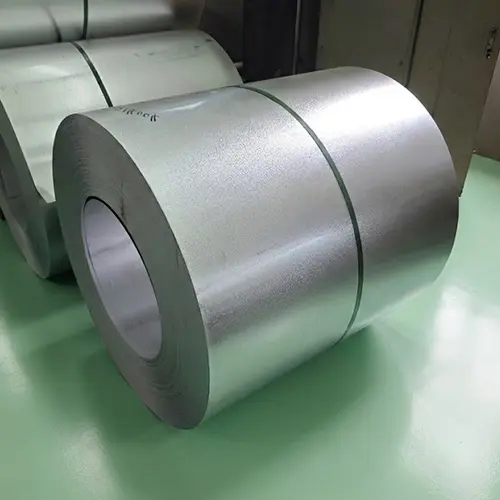
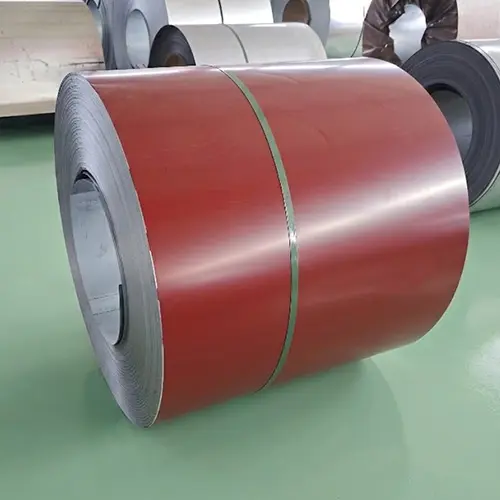

When you compare galvanized vs galvalume steel coil, you notice key differences in their coatings and performance. Galvanized uses a zinc layer, while galvalume features an aluminum-zinc-silicon alloy. These differences matter when you select materials for metal roofing or other construction projects. You can see how each option performs in the table below:
Galvanized vs Galvalume Steel Coil
| Feature | Galvanized Steel | Galvalume Steel |
|---|---|---|
| Coating | Zinc | Aluminum-Zinc-Silicon |
| Corrosion Resistance | Good in dry areas | Superior in humid zones |
| Lifespan | 20-50 years | 40-70 years |
Understanding the right steel coil helps you make smarter choices for construction and roofing.
Key Takeaways
- Galvanized steel uses a zinc coating, while galvalume features an aluminum-zinc-silicon alloy, affecting their performance.
- Galvalume offers superior corrosion resistance, especially in humid or coastal environments, making it ideal for roofing.
- Consider the local climate when choosing between galvanized and galvalume; galvanized works well in dry areas, while galvalume excels in harsh conditions.
- Galvalume typically lasts longer than galvanized steel, with lifespans of 30-50 years compared to 20-50 years for galvanized.
- Galvalume’s smooth surface maintains its shine and resists tarnishing, enhancing the aesthetic appeal of buildings.
- Galvanized steel is often more affordable upfront, but galvalume can save money over time due to lower maintenance needs.
- For projects involving cutting or drilling, galvanized steel may be a better choice due to its sacrificial protection against rust.
- Always match the steel type to your project’s specific needs, considering factors like cost, environment, and maintenance.
Galvanized vs Galvalume Steel Coil Overview
When you look at galvanized vs galvalume steel coil, you see two popular choices for construction and roofing. Each type has a unique coating and set of properties. Understanding these differences helps you pick the right material for your project.
What Is Galvanized Steel Coil
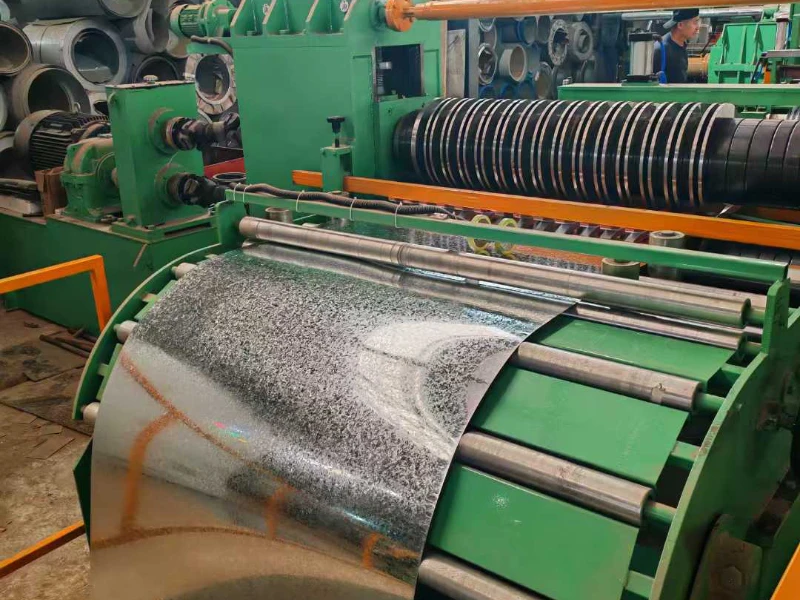
Galvanized steel coils use a pure zinc coating to protect the steel underneath. This process gives you a strong and reliable material for many building needs.
Zinc Coating
The zinc layer on galvanized steel acts as a shield. It protects the steel from rust and corrosion. Zinc also serves as a sacrificial anode, which means it will corrode before the steel does. This feature makes galvanized metal products last longer in many environments.
Common Uses
You often see galvanized steel coils in:
- Commercial buildings like hospitals, schools, and stores
- Residential projects such as single-family homes and condos
- Architectural structures for both government and private use
- Industrial settings like warehouses and factories
- Agricultural buildings, especially for barns and storage
Galvanized metal products work well in dry or mild climates. You can use them for roofing, wall panels, and framing.
What Is Galvalume Steel Coil
Galvalume steel coils have a special alloy coating. This coating contains 55% aluminum, 43.4% zinc, and a small amount of silicon. The mix gives galvalume unique qualities that set it apart from galvanized steel.

Aluminum-Zinc-Silicon Coating
The aluminum in galvalume forms a dense protective layer. This layer blocks moisture and slows down corrosion. Zinc adds extra protection, while silicon improves how well the coating sticks to the steel and resists wear. The result is a surface that lasts longer, especially in harsh or humid environments.
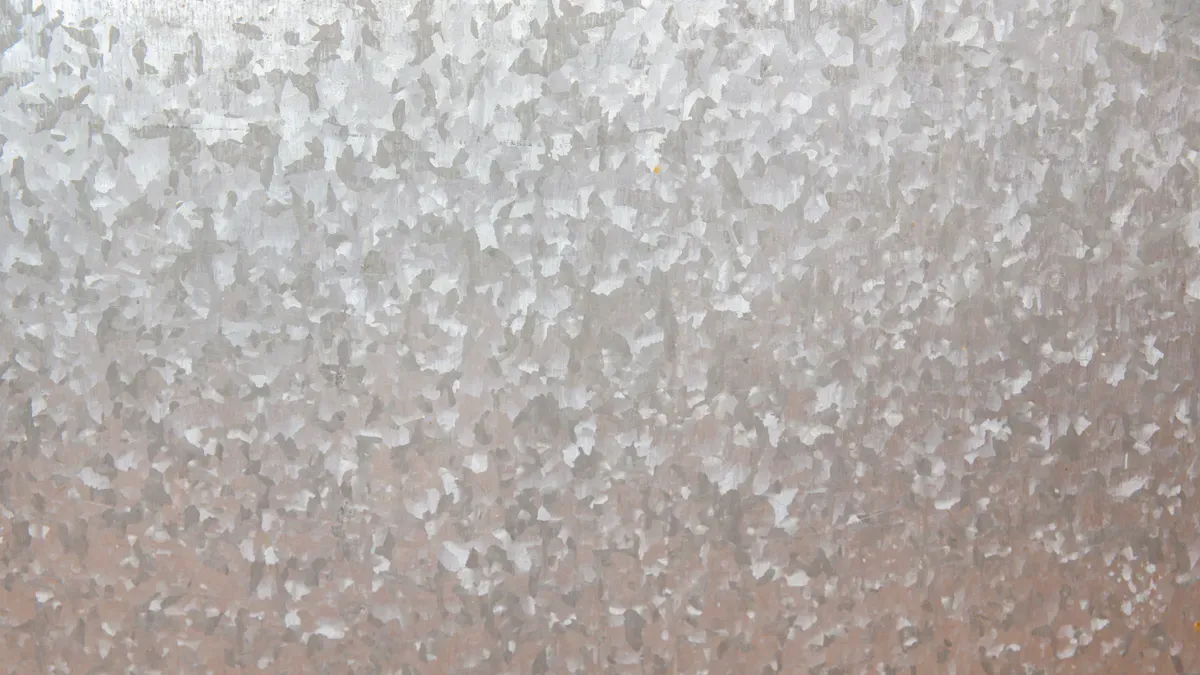
Here’s a quick comparison of the two coil types:
| Feature | Galvanized Steel | Galvalume Steel |
|---|---|---|
| Coating | Pure zinc coating | Alloy coating (55% aluminum, 43.4% zinc) |
| Protective Layer | Zinc layer protects against corrosion | Denser protective layer due to aluminum |
| Manufacturing Process | Zinc melting and dipping | Alloy coating formed during manufacturing |
| Role of Aluminum | N/A | Forms protective alumina film |
| Role of Zinc | Acts as a sacrificial anode | Provides additional protection |
| Role of Silicon | N/A | Improves adhesion and wear resistance |
Common Uses
You find galvalume steel coils in many of the same places as galvanized, but they perform better in humid or coastal areas. You can use galvalume for:
- Metal roofing on homes, offices, and factories
- Wall panels and siding
- Agricultural storage buildings
- Industrial warehouses
Galvalume gives you longer-lasting protection where moisture or salt is a concern.
Tip: When you compare galvanized steel coil vs galvalume steel coil, think about your local climate and the building’s purpose. Galvalume works best in tough environments, while galvanized is a solid choice for general use.
Key Differences in Composition and Manufacturing
When you compare galvanized vs galvalume steel coil, you see important differences in what makes up each product and how manufacturers create them. These key differences affect how each type of steel performs in real-world applications.
Galvanized Steel Coil Composition
Galvanized steel coils use a simple but effective formula. Manufacturers coat the steel with a layer of zinc. This zinc layer covers the entire surface and protects the steel from rust and damage.
Zinc Layer Details
The zinc layer in galvanized steel acts as a barrier. It keeps moisture and air away from the steel. If the coating gets scratched, the zinc still protects the steel by corroding first. This process is called “sacrificial protection.” Most galvanized steel contains almost pure zinc, with very small amounts of other elements. You might find less than 0.2% aluminum, 0.3% to 1.5% iron, and very low levels of lead. This simple mix gives you reliable performance in many environments.
Galvalume Steel Coil Composition
Galvalume uses a more advanced formula. The coating on galvalume steel contains three main elements: aluminum, zinc, and silicon. This mix gives galvalume its special properties.
Aluminum-Zinc Ratio
The aluminum-zinc ratio in galvalume is important. The coating is about 55% aluminum, 43.5% zinc, and 1.5% silicon. Aluminum forms a tough outer layer that blocks moisture and slows down rust. Zinc adds extra protection, especially if the coating gets scratched. Silicon helps the coating stick to the steel and makes it last longer. This combination gives galvalume better performance in harsh or humid places.
Here is a table that shows the main elements in each type of steel coil:
| Type of Steel Coil | Main Elements | Composition (%) |
|---|---|---|
| Galvanized Steel | Zinc | Primarily zinc, with less than 0.2% aluminum, 0.3% to 1.5% iron, and very low lead levels |
| Galvalume Steel | Aluminum, Zinc, Silicon | Approximately 55% aluminum, 43.5% zinc, and 1.5% silicon |
Manufacturing Processes
You will notice more differences when you look at how each steel coil is made. For galvanized steel, manufacturers dip the steel into a bath of molten zinc. This process is called hot-dip galvanizing. The zinc sticks to the steel and forms a protective layer.
For galvalume, the process is similar but uses a bath of molten aluminum, zinc, and silicon. The steel passes through this alloy bath and comes out with a strong, even coating. The aluminum-zinc-silicon mix bonds tightly to the steel and gives galvalume its unique surface.
Tip: If you want a steel coil that lasts longer in tough weather, galvalume offers better protection because of its advanced coating. If you need a cost-effective option for general use, galvanized steel coils provide solid performance.
By understanding these differences in composition and manufacturing, you can make a smarter choice for your next project.
Galvanized VS Galvalume Steel Coil: Corrosion Resistance and Durability
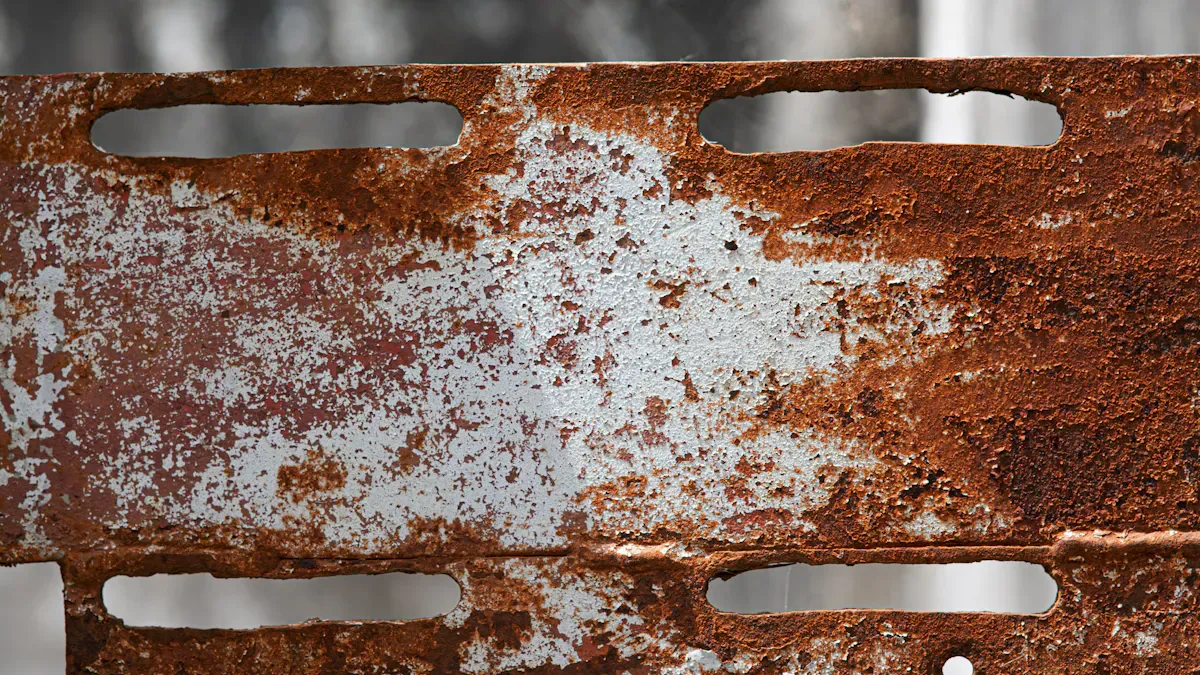
Corrosion Protection Mechanisms
Galvanized Steel
You rely on galvanized steel for its strong protection against red rust. The zinc coating acts as a shield, covering the steel and blocking moisture and oxygen. When the surface gets scratched, zinc provides sacrificial protection. It corrodes first, saving the steel underneath. This process helps you avoid red rust for a long time. You see this mechanism in action every day in construction and roofing.
- Zinc forms a barrier that keeps water and air away from steel.
- Sacrificial protection means zinc will rust before steel does.
- You get good resistance in dry and mild climates.
| Coating Type | Mechanism of Protection | Characteristics |
|---|---|---|
| Galvanized | Single zinc phase | Sacrificial anode protection |
Galvalume Steel
Galvalume steel coils use a more advanced protection system. The aluminum-zinc-silicon coating gives you two layers of defense. Aluminum creates a tough barrier that blocks moisture and slows red rust. Zinc adds extra protection, especially if the coating gets damaged. Silicon helps the coating stick and last longer. You benefit from both physical and electrochemical protection.
- Aluminum forms a dense barrier against environmental factors.
- Zinc provides galvanic protection, sacrificing itself to protect steel.
- Silicon improves adhesion and wear resistance.
- You see dual protection working together for superior resistance.
| Coating Type | Mechanism of Protection | Characteristics |
|---|---|---|
| Galvalume | Aluminum barrier + Zinc cathodic protection | Dual mechanism |
Note: Galvalume utilizes galvanic protection through a combination of aluminum and zinc coatings. The aluminum sacrifices itself to protect the steel from red rust when exposed to moisture and oxygen.
Performance in Harsh Environments
You notice key differences when you compare galvalume vs galvanized steel coil in tough conditions. Galvalume steel coils show excellent resistance in coastal, humid, and industrial areas. The aluminum-zinc synergy blocks red rust and keeps the steel strong. Galvanized steel coils perform well in dry regions but degrade faster in harsh environments.
| Feature | Galvanized Steel Coil | Galvalume Steel Coil | Best Use Case |
|---|---|---|---|
| Corrosion Resistance | Good (zinc barrier protection) | Excellent (aluminum + zinc synergy) | Galvalume for coastal/humid areas |
Studies show galvalume can last 2 to 4 times longer than galvanized in rural, urban, and marine environments. You see galvalume resist chloride-induced corrosion, making it ideal for coastal projects. Galvanized steel works best where moisture and pollution are low.
- Kesternich Test: Simulates acid rain exposure to check resistance in industrial atmospheres.
- AS1397: Australian standard for steel sheet and strip with metallic coatings.
- ASTM A792/A792M: U.S. standard for hot-dip metallic-coated steel sheet.
- ISO 9223: Classifies corrosivity of environments to help you select the right protection.
Tip: If you want maximum rust resistance and durability in harsh climates, galvalume steel coils give you the best performance.
Expected Lifespan
You need to know how long each steel coil lasts. Galvalume steel coils generally have an expected lifespan of about 20 to 30 years or more under typical outdoor exposure. In rural areas with low pollution, galvanized steel coils can last over 50 years. In coastal or industrial zones, galvanized needs more frequent maintenance. Galvalume’s protective mechanism often results in a service life 2 to 4 times longer than galvanized in various environments.
| Feature | Galvalume Steel | Galvanized Steel |
|---|---|---|
| Coating Composition | 55% Al, 43.4% Zn, 1.6% Si | ~99% Zinc |
| Corrosion Resistance | Superior, especially in acidic and saline environments | Good, but degrades faster in harsh conditions |
| Lifespan | Up to 4–5 times longer in rural/coastal areas | Shorter; requires more frequent replacement |
Galvalume steel exhibits superior corrosion resistance, especially in acidic, saline, and industrial environments. You can expect galvalume to maintain structural integrity for up to 40 years or more. Galvanized steel has a shorter lifespan and needs replacement sooner in tough conditions.
Callout: When you compare galvalume vs galvanized, you see key differences in protection, resistance, and performance. Galvalume gives you longer-lasting rust resistance and durability, especially where red rust is a concern.
Appearance and Surface Qualities
Galvanized Steel Finish
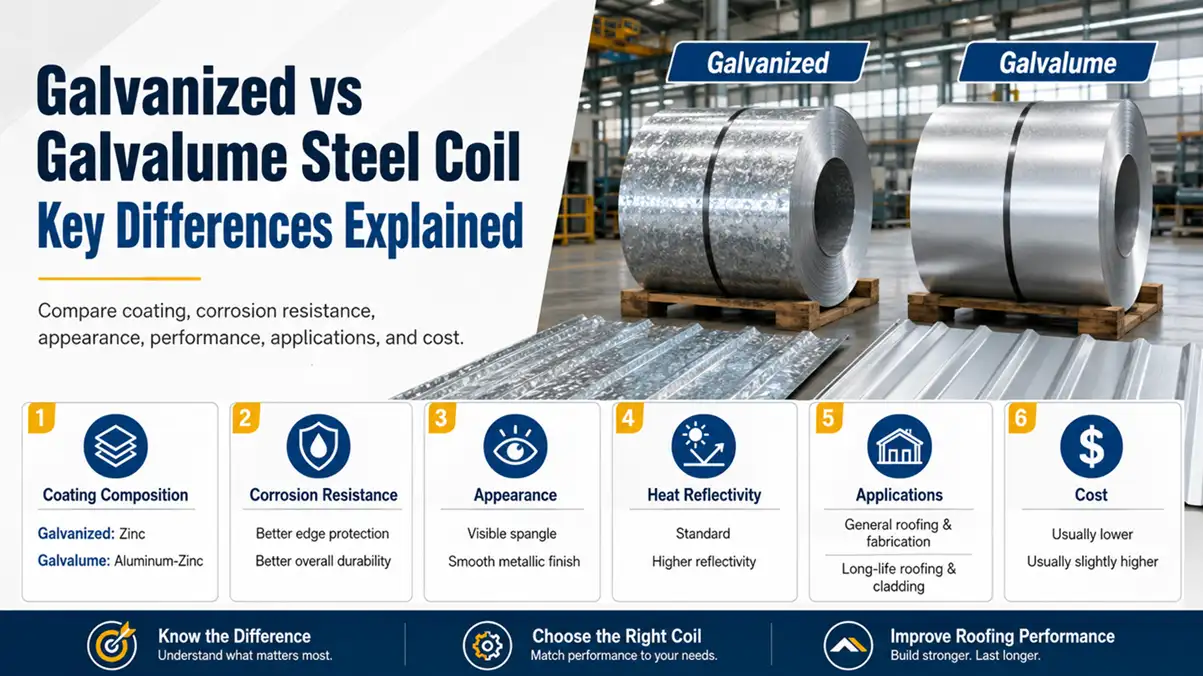
You notice a distinct look when you examine galvanized steel. The surface displays a natural spangled pattern, which comes from the crystallization of zinc during the coating process. This pattern gives the material a matte appearance. The texture feels rougher compared to other types of steel. You often see this finish on roofing panels, fences, and structural components. Over time, galvanized steel may develop white rust or chalky oxidation, especially if exposed to moisture. This change can affect the visual appeal and make the surface look dull.
- Galvanized steel shows a spangled, matte finish.
- The texture feels rough due to zinc crystals.
- White rust or chalky oxidation may appear after moisture exposure.
Galvalume Steel Finish
Galvalume stands out with its bright, silvery-blue appearance. You see a smoother and more durable coating, which results from the aluminum-zinc-silicon alloy. The surface retains its luster for decades, even in humid or coastal environments. Unlike galvanized steel, galvalume resists tarnishing and maintains a clean metallic look. You find this finish on modern metal roofing, siding, and architectural panels. The smooth texture makes galvalume ideal for projects where aesthetics matter.
- Galvalume offers a silvery-blue, spangled finish.
- The coating feels smoother and more durable.
- The surface stays clean and shiny without tarnishing.
| Property | Galvanized Steel | Galvalume Steel |
|---|---|---|
| Visual Appearance | Natural spangled pattern, more matte | Bright, silvery-blue, spangled finish |
| Texture | Rougher texture due to zinc crystallization | Smoother, more durable coating |
| Durability | Prone to white rust and chalky oxidation | Retains luster, resistant to tarnishing |
Tip: If you want a material that keeps its metallic shine for years, galvalume gives you better surface quality and durability.
Paintability and Aesthetics
You often need to paint steel coils for extra protection or to match a design. Galvanized steel requires more frequent maintenance because paint may not adhere as well to the zinc coating. Over time, the painted surface can fade or peel, so you might need to repaint. Galvalume provides superior paint adhesion thanks to its alloy composition. The paint sticks better and lasts longer, which means you spend less time on upkeep. Galvalume also maintains a consistent appearance, even after years of exposure.
| Property | Galvanized Steel | Galvalume Steel |
|---|---|---|
| Paint Adhesion | Requires more frequent maintenance | Superior adhesion due to alloy composition |
| Long-term Aesthetics | May fade and require repainting | Maintains consistent appearance over time |
| Corrosion Resistance | Good rust resistance | Better long-term corrosion resistance |
- Galvalume keeps its clean look and paint finish for decades.
- Galvanized steel may need repainting to restore its appearance.
Note: You achieve better aesthetics and lower maintenance with galvalume, especially for projects where visual appeal matters.
Mechanical Properties and Thermal Performance
Strength and Flexibility
When you choose a material for roofing or construction, you want to know how it will perform under stress. Both galvalume and galvanized steel offer strong mechanical properties. Galvanized steel gives you reliable strength and can handle heavy loads. You often see it used in framing and support structures because it resists bending and denting. Galvalume steel also provides excellent strength, but it stands out for its flexibility. The aluminum in galvalume allows the steel to flex slightly without cracking. This flexibility helps galvalume panels resist damage from hail or thermal expansion. You get a material that holds up well in changing weather and under physical impact.
Heat Reflectivity
You need to consider how your roofing material handles heat. Both galvalume and galvanized steel reflect sunlight, but galvalume performs better in this area. Galvalume steel reflects about 80% of solar energy and up to 90% of infrared heat. Galvanized steel reflects around 70% of solar energy and 65% of infrared heat. This difference means galvalume keeps buildings cooler and reduces energy costs for air conditioning. You can see the comparison in the table below:
Galvanized vs Galvalume Steel Coil
| Property | Galvalume Steel | Standard Galvanized Steel |
|---|---|---|
| Solar Reflectivity | ~80% | ~70% |
| Infrared (Heat) Reflection | ~90% | ~65% |
If you live in a hot climate, galvalume steel helps maintain comfortable indoor temperatures. You also benefit from lower utility bills and less strain on cooling systems.
Maintenance Needs
You want your investment to last, so maintenance matters. Galvalume steel requires less upkeep than galvanized steel. You should rinse galvalume panels every 1–2 years to remove debris. After severe weather, check for any damage. Make sure gutters and drainage paths stay clear, and avoid letting galvalume touch copper or untreated iron to prevent corrosion.
Galvanized steel needs more frequent attention. Inspect it every 3–6 months, especially in areas prone to damage. Clean the surface with mild detergent and a soft cloth. If you find scratches or exposed areas, apply a zinc-rich paint right away. Always prevent water from pooling on galvanized steel surfaces.
- Galvalume steel maintenance:
- Rinse every 1–2 years.
- Inspect after storms.
- Keep drainage clear.
- Avoid contact with dissimilar metals.
- Galvanized steel maintenance:
- Inspect every 3–6 months.
- Clean with mild detergent.
- Touch up damaged spots.
- Prevent water accumulation.
Tip: Galvalume steel saves you time and effort on maintenance, making it a smart choice for busy property owners.
Cost Comparison and Value (Galvanized VS Galvalume steel coil)
Material and Installation Costs (Galvanized vs Galvalume Steel Coil)
When you plan a roofing or construction project, you want to know how much you will spend on materials and installation. The price of galvanized steel often appears lower at first glance. In many cases, you find that galvanized steel costs between $8.00 and $16.00 per square foot for standing seam metal roofs. This price can change based on your location, the installer, the color, and the thickness you choose.
Galvalume steel usually costs more at the start. You might pay 10% to 25% more for galvalume compared to galvanized steel. Over the past decade, prices have shifted, and as of 2022, galvanized steel sometimes costs about 6% more than galvalume. These changes show that market trends can affect your final budget.
Here are some key points to remember:
- Galvalume steel coils generally cost 10% to 25% more than galvanized steel coils.
- Galvalume gives you better long-term value because it lasts longer and needs less maintenance.
- Galvanized steel was once the cheaper option, but prices now change often.
- Your total cost depends on the project size, location, and the installer’s rates.
Tip: Even if galvalume costs more at first, you may save money over time because you will not need as many repairs or replacements.
Longevity and Replacement Frequency (Galvanized vs Galvalume Steel Coil)
You want your investment to last as long as possible. The lifespan of your roofing or siding depends on the type of steel you choose. Galvanized steel gives you moderate durability. You can expect to replace galvanized steel every 15 to 25 years in most construction applications. This means you may need to budget for new materials and labor more often.
Galvalume steel stands out for its long service life. You can expect galvalume to last 30 to 50 years before you need to think about replacement. This lower replacement frequency means you spend less time and money on upkeep.
Here is a quick comparison:
Galvanized vs Galvalume Steel Coil
| Steel Type | Average Replacement Frequency | Lifespan |
|---|---|---|
| Galvanized Steel | 15–25 years | Moderate |
| Galvalume Steel | 30–50 years | Very Low |
When you look at the big picture, galvalume offers better value. You pay more at the start, but you get a roof or wall that lasts much longer. Galvanized steel may seem like a bargain, but you will likely face higher costs for repairs and replacements over time.
Note: If you want a solution that saves you money in the long run, galvalume steel is the smarter choice for most projects.
Application Suitability: Metal Roofing and More
Metal Roofing Applications (Galvanized vs Galvalume steel coil)
When you choose a material for metal roofing, you want the best protection for your building. Galvalume stands out as the top choice for most metal roofing systems, especially in areas with high humidity or salt exposure. You get up to four times the lifespan compared to galvanized steel. This means your roof will last longer and need fewer repairs. Galvalume provides superior rust protection, so you see it used on homes, warehouses, and commercial buildings near the coast.
Here is a quick comparison to help you decide:
Galvanized vs Galvalume Steel Coil for roofing sheet
| Steel Type | Corrosion Resistance | Best For |
|---|---|---|
| Galvalume Steel | Up to 4x longer life than galvanized steel | Coastal areas, high moisture environments |
| Galvanized Steel | Good in dry climates | General roofing, interior applications |
You should consider galvalume if you want a metal roofing system that resists rust and lasts for decades. Galvanized steel works well for basic roofing in dry regions, but it does not perform as well in harsh climates.
Tip: Galvalume gives you peace of mind for your metal roofing, especially if you live near the ocean or in a humid area.
Other Construction Uses (Galvanized vs Galvalume Steel Coil)
You see both galvalume and galvanized steel used in many construction projects. Galvanized steel is a popular choice for interior framing because it offers reliable strength and moderate corrosion resistance. You often find it in wall studs, beams, and supports inside buildings. Galvalume works better for exterior applications like siding, wall panels, and outdoor structures. Its advanced coating helps it last longer when exposed to rain, sun, and pollution.
- Galvalume is recommended for exterior construction, such as siding and wall panels.
- Galvanized steel is often used for interior framing and non-exposed parts.
You should match the steel type to the location and purpose in your construction project. Galvalume gives you a longer lifespan outdoors, while galvanized steel provides solid performance indoors.
Environmental and Climate Factors (Galvanized vs Galvalume Steel Coil)
You need to think about your local climate before you pick a steel coil. Galvalume offers superior corrosion resistance and high heat reflectivity. It works best in harsh or hot climates where sun and moisture can damage other materials. Galvanized steel has moderate resistance and fits well in less extreme environments.
Here is a table to help you compare:
Galvanized vs Galvalume Steel Coil
| Material | Corrosion Resistance | Heat Reflectivity | Suitable Climate Conditions |
|---|---|---|---|
| Galvalume Steel | Superior | High | Harsh or hot climates |
| Galvanized Steel | Moderate | Moderate | Mild, less humid environments |
You should choose galvalume for buildings in coastal, humid, or hot regions. Galvanized steel works for projects in mild climates where extreme weather is not a concern.
Note: Always match your steel choice to your environment. This helps your construction last longer and saves you money on repairs.
Pros and Cons of Galvanized vs Galvalume Steel Coil
Galvanized Steel Coil Advantages
You find many advantages when you choose galvanized steel for construction projects. This material gives you reliable corrosion resistance, making it a strong option for environments where rust can threaten the structure. The zinc coating protects the steel from moisture and air, which helps extend its lifespan. You also benefit from cost-effectiveness. Galvanized steel offers an affordable solution that balances price and performance. You can use it for both interior and exterior applications, showing its versatility across industries.
Here is a table that highlights the main advantages of galvanized steel:
| Advantage | Description |
|---|---|
| Corrosion Resistance | Provides excellent protection against rust and environmental damage. |
| Cost-Effectiveness | Economical solution with long-lasting durability and low maintenance needs. |
| Versatility | Suitable for both interior and exterior applications across various industries. |
| Durability | Long-lasting performance compared to other materials. |
| Low Maintenance | Requires less upkeep over time, reducing overall project costs. |
| Long-term Protection | Zinc coating prevents moisture and air contact, enhancing longevity. |
| Affordability | Offers a balance between cost and performance, making it a practical choice. |
You see galvanized steel used in framing, roofing, and siding. Its durability means you spend less time on repairs. The zinc layer gives you long-term protection, so your investment lasts for years.
Tip: Galvanized steel gives you a practical mix of affordability and performance. You can rely on it for many construction needs.
Galvanized Steel Coil Disadvantages
You also need to consider the disadvantages before selecting galvanized steel. This material has lower corrosion resistance compared to galvalume, especially in humid or coastal environments. You may notice that galvanized steel begins to rust faster when exposed to water or chemicals. If you use it in areas with high moisture, you might face more frequent maintenance and replacement.
Here is a table that compares the disadvantages:
| Material | Advantages | Disadvantages |
|---|---|---|
| Galvanized Steel | Coated with zinc for rust protection | Lower corrosion resistance in humid/coastal areas |
| Versatile for construction projects | May rust faster when exposed to water/chemicals |
- Galvanized steel does not perform as well as galvalume in harsh climates.
- You may need to replace galvanized steel more often if you build near the ocean or in industrial zones.
Note: Galvanized steel works best in dry or mild climates. You should avoid using it in places with high humidity or salt exposure.
Galvalume Steel Coil Advantages
Galvalume steel gives you several advantages that make it a top choice for demanding projects. You get superior corrosion resistance because the aluminum-zinc coating protects the steel from rust, even in harsh environments. Galvalume lasts longer than galvanized, so you spend less on repairs and replacements. The surface stays bright and clean, which improves the appearance of your building. You also benefit from high heat reflectivity, helping keep your structure cooler in hot climates.
- Galvalume offers excellent protection in coastal and humid areas.
- You enjoy a longer lifespan and lower maintenance needs.
- The material maintains its shine and resists tarnishing.
- You save money over time because galvalume needs fewer repairs.
Callout: Galvalume steel gives you the advantages of durability, rust resistance, and energy efficiency. You can trust it for roofing, siding, and exterior construction.
Galvalume Steel Coil Disadvantages
When you consider galvalume for your next project, you should also look at the disadvantages. Every material has limits, and galvalume is no exception. You need to know where galvalume may not perform as well as galvanized steel.
First, galvalume does not handle cut edges or scratches as well as galvanized steel. If you cut or drill galvalume steel panels, the exposed edges can rust faster. The aluminum in galvalume forms a strong barrier, but it does not offer the same sacrificial protection as zinc. Galvanized steel protects these areas better because the zinc coating will corrode first, saving the steel underneath.
You also need to watch out for contact with concrete or mortar. Galvalume reacts with wet concrete and alkaline materials. This reaction can cause the coating to break down and lead to early rust. Galvanized steel resists this problem better, so you often see it used in foundations or places where steel touches cement.
Another disadvantage involves fasteners and accessories. If you use copper, lead, or graphite with galvalume steel, you may see rapid corrosion. These metals can cause a chemical reaction that damages the galvalume coating. You must choose compatible fasteners and avoid mixing metals. Galvanized steel also has this issue, but galvalume is more sensitive to these reactions.
Here is a table to help you compare the disadvantages of Galvanized vs Galvalume Steel Coil:
| Disadvantage | Galvalume Steel | Galvanized Steel |
|---|---|---|
| Cut Edge Protection | Lower | Higher |
| Reaction with Concrete/Mortar | Yes | No |
| Sensitivity to Dissimilar Metals | High | Moderate |
| Paint Adhesion | Good | Fair |
| Cost | Higher | Lower |
You may also notice that galvalume costs more than galvanized steel. The advanced coating and longer lifespan increase the price. If you have a tight budget, you might find galvanized steel a better fit for your project.
Note: Galvalume works best in roofing and siding where you do not cut or drill many panels. If you need to make many cuts or work near concrete, galvanized steel may serve you better.
You should always match the material to the job. Galvalume gives you great performance in many cases, but you must understand its disadvantages before you decide.
How to Choose: Galvanized vs Galvalume Steel Coil?
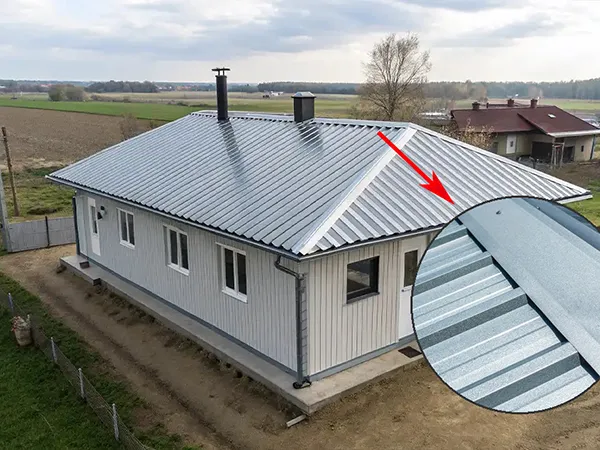
Factors to Consider (Galvanized vs Galvalume Steel Coil)
You face important choices when selecting the right steel for your project. The decision between galvanized and galvalume depends on several key factors. Each type of steel offers unique benefits, so you need to match the material to your needs.
Here is a table that compares the main factors:
| Factor | Galvanized Steel | Galvalume Steel | Best Use Cases |
|---|---|---|---|
| Coating Composition | Pure zinc | 55% aluminum, 43.4% zinc, 1.6% silicon | Different corrosion mechanisms |
| Common Coating Weights | G-60, G-90 | A-40, A-50 | Outdoor durability vs. cost balance |
| Corrosion Resistance | Good (sacrificial protection) | Excellent (barrier + sacrificial) | Harsh environments favor galvalume |
| Heat Reflectivity | Moderate | High (aluminum content) | Rooftops, solar-reflective uses |
| Formability | Excellent | Very good (slightly stiffer) | Complex forming favors galvanized |
| Lifecycle Cost | Lower initial, higher maintenance | Higher initial, lower long-term cost | Total cost of ownership matters |
You should consider the environment first. Galvalume works best in coastal, humid, or hot climates because it resists rust and reflects heat. Galvanized performs well in dry or mild areas and offers better formability for complex shapes. You also need to think about your budget. Galvanized steel costs less at the start, but galvalume saves money over time with fewer repairs.
Tip: Always match the steel type to your climate, project design, and long-term maintenance plan.
Decision Checklist (Galvanized vs Galvalume Steel Coil)
You can use a checklist to make sure you select the right steel coil for your job. This helps you avoid mistakes and ensures your project lasts.
| Selection Factor | Key Considerations | Recommended Standards | Verification Methods |
|---|---|---|---|
| Galvanization Quality | Look for uniform coating with no defects | ASTM A123, ISO 14713 | Visual inspection, bend test |
| Coating Thickness | Match thickness to environment (e.g., Z185 for coast) | ASTM A90, ISO 1460 | Magnetic gauge, XRF analysis |
| Steel Grade | Choose grade for strength and flexibility | EN 10346, JIS G3302 | Mill test certificate, chemical test |
| Coil Dimensions | Confirm width, thickness, and diameter fit your specs | Internal specs | Caliper measurement |
| Mechanical Properties | Check tensile and yield strength for your application | ASTM A653, EN 10139 | Tensile testing, material report |
| Welding/Forming | Ensure good ductility and no cracking | ISO 15614, AWS D1.1 | Forming trials, weld testing |
| Supplier Credibility | Review certifications and reputation | ISO 9001, IATF 16949 | Audit reports, references |
You should request sample coils for testing before large orders. Keep records of all tests and certificates. Think about the total cost, not just the price you pay at the start. For critical projects, ask a materials engineer or technical expert for advice.
Note: Careful selection of galvanized or galvalume steel ensures your building stands strong and lasts for years.
You see clear differences between Galvanized vs Galvalume Steel Coil for construction. The table below highlights key points:
Galvanized vs Galvalume Steel Coil
| Feature | Galvalume Steel Coil | Galvanized Steel Coil |
|---|---|---|
| Corrosion Resistance | Higher in humid areas | Lower, needs more upkeep |
| Cost | More expensive | Budget-friendly |
| Best Use | Metal roofing, coastal zones | Interior, mild climates |
- Galvalume gives you longer-lasting protection and better aesthetics.
- Galvanized works well for basic, cost-sensitive projects.
- Always consult a professional to match steel type to your project.
FAQ
What is the main difference between galvanized vs galvalume steel coil?
You see the main difference in the coating. Galvanized steel uses a zinc layer. Galvalume steel uses an aluminum-zinc-silicon alloy. This change gives galvalume better corrosion resistance, especially in harsh or humid environments.
Can you paint over galvalume steel?
You can paint over galvalume steel. The surface allows paint to stick well. You should clean the surface first. Use a primer made for metal. This helps the paint last longer and look smooth.
Where should you avoid using galvalume steel?
You should avoid using galvalume steel where it touches concrete, mortar, or copper. These materials can cause the coating to break down. For foundations or areas with wet cement, choose galvanized steel instead.
How long does galvalume steel last on a roof?
You can expect galvalume steel to last 30 to 50 years on a roof. The special coating protects against rust and weather. This makes galvalume a smart choice for long-term roofing projects.
Is galvalume steel more expensive than galvanized steel (Galvanized vs Galvalume Steel Coil)?
You usually pay more for galvalume steel at first. The advanced coating increases the price. Over time, you save money because galvalume needs fewer repairs and lasts longer.
Does galvalume steel work in coastal areas?
You get excellent results with galvalume steel in coastal areas. The aluminum-zinc coating resists salt and moisture. This helps your building stay strong and look good for many years.
Can you recycle galvalume steel?
You can recycle galvalume steel. Most recycling centers accept it. Recycling helps reduce waste and supports green building practices.
Tip: Always check with your local recycling center before you bring galvalume steel for recycling.